Gander, Newfoundland
Posted on August 26, 2026
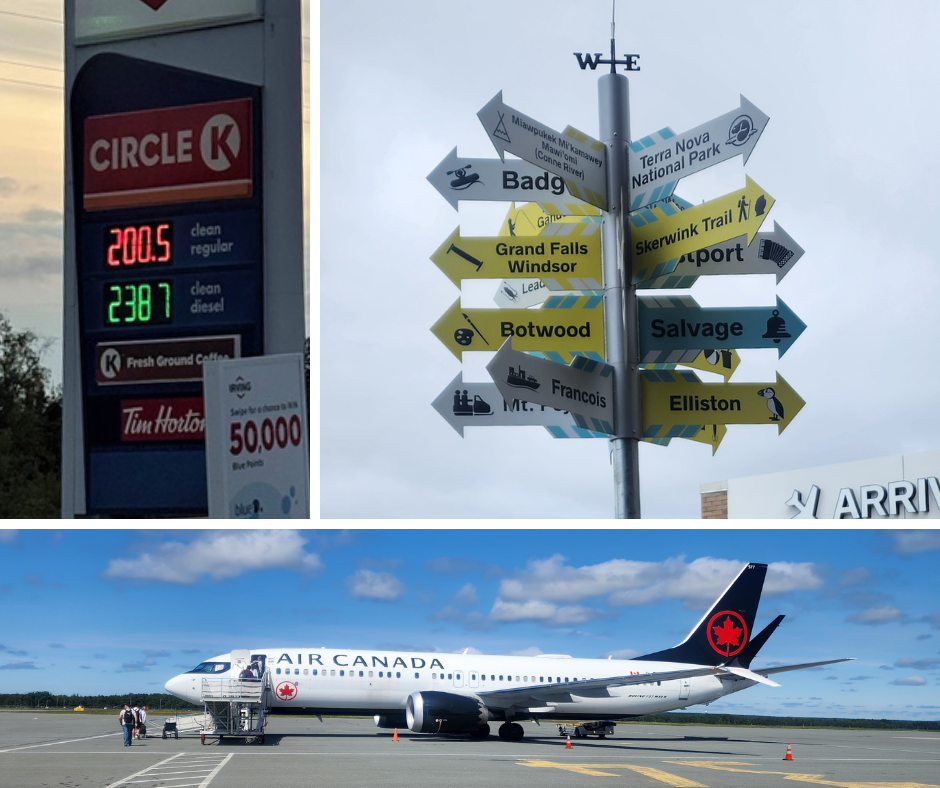
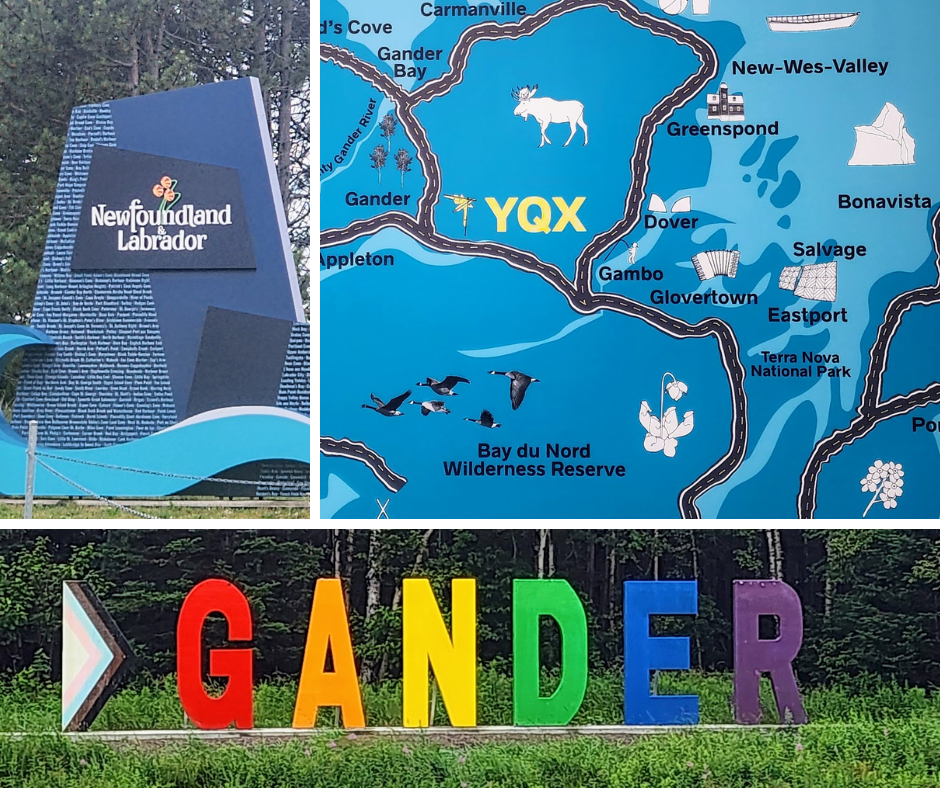
First time in Gander, Newfoundland! The town, located in the northeastern part of Newfoundland, has an international airport. Thanks to Winterset in Summer Literary Festival, who invited me out to their 2026 literary festival, my family I got to explore the town before heading to Eastport.
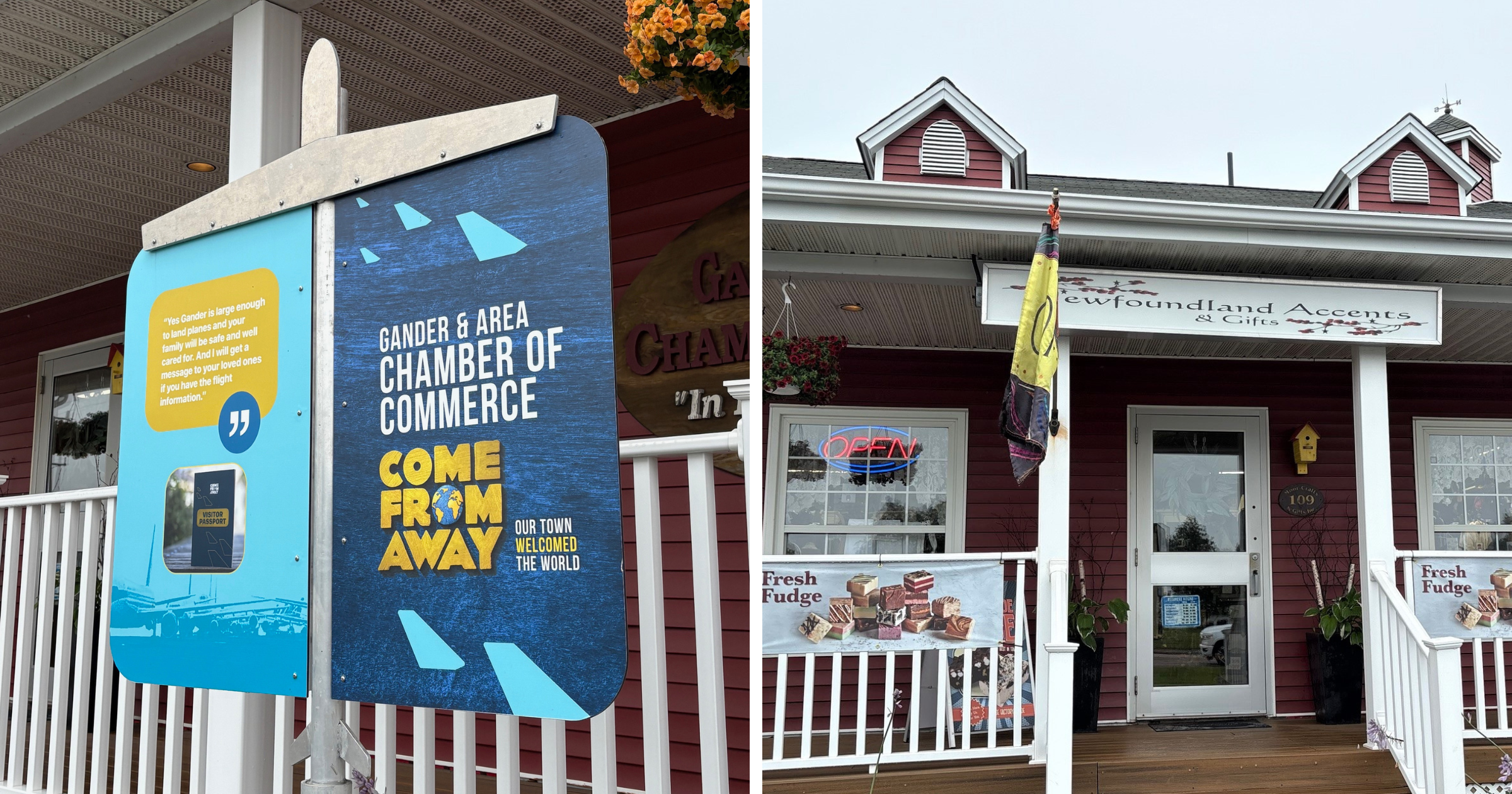
A great starting point! The visitors’ centre was attached to a lovely gift shop.
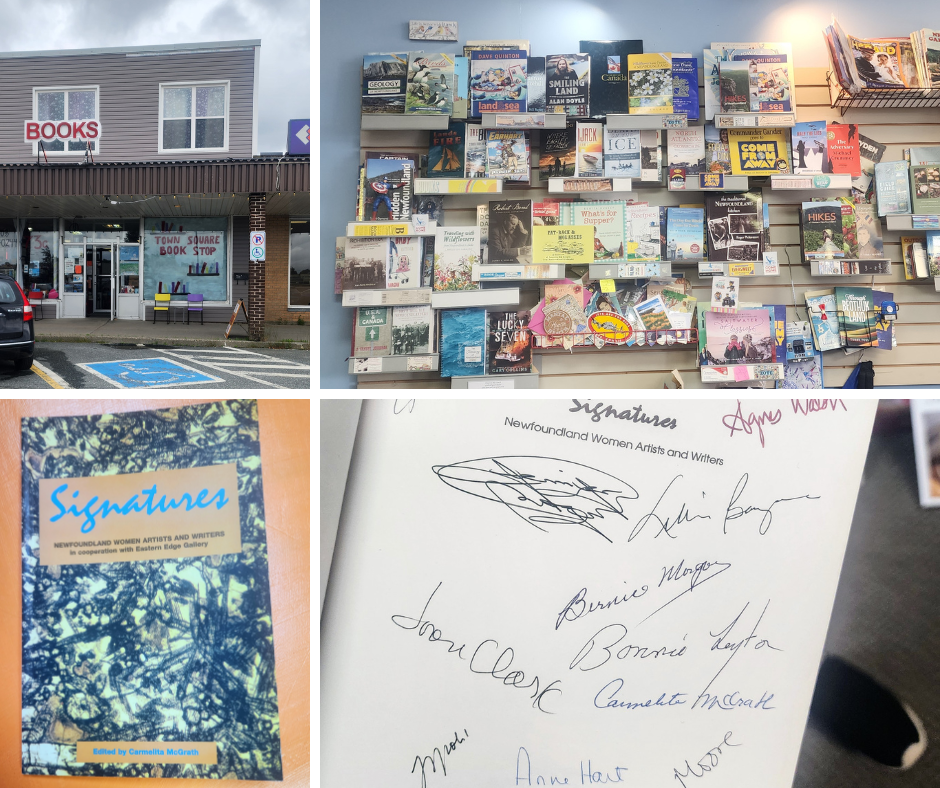
I always seek out bookstores in any town I visit. The owner showed me a copy of Signatures: Newfoundland Women Artists and Writers, which had been signed by several of the notable literary and artistic contributors including Lisa Moore.
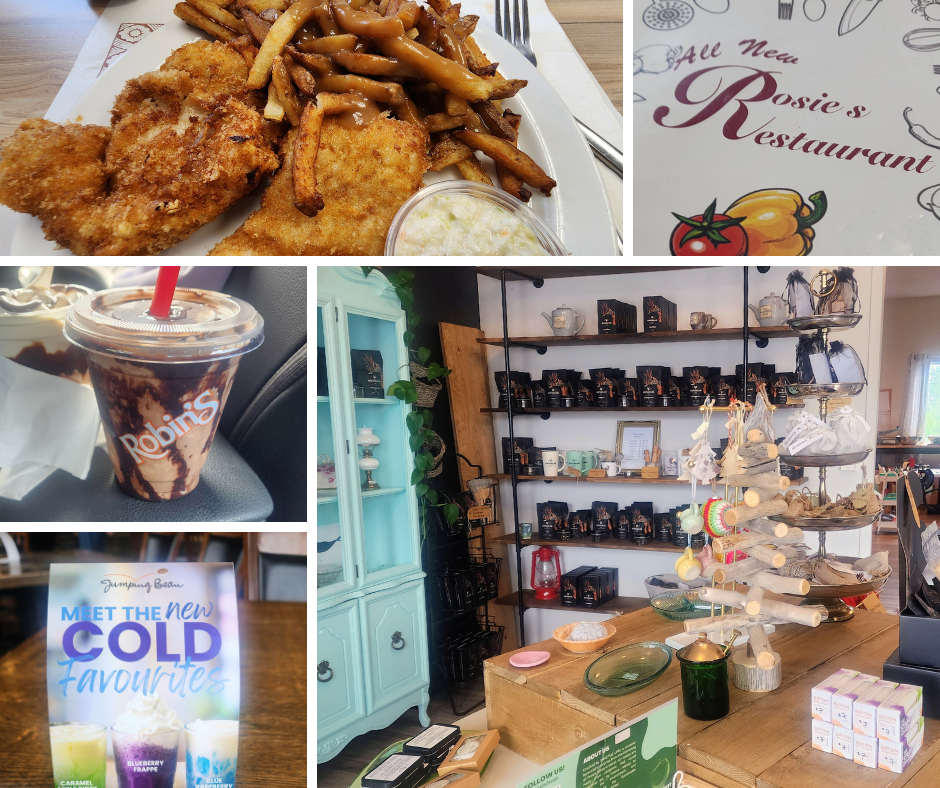
For food and drinks, we went to places people recommended. Despite the long line, we waited to eat at Rosie’s. Had the fish & chips which was fresh, light, and crispy. The Newfoundland Tea Company impressed my daughter with their blends of organic loose-leaf teas. We ended up getting several different teas including peach apricot, mint chamomile, lemon ginger, and raspberry lemonade.
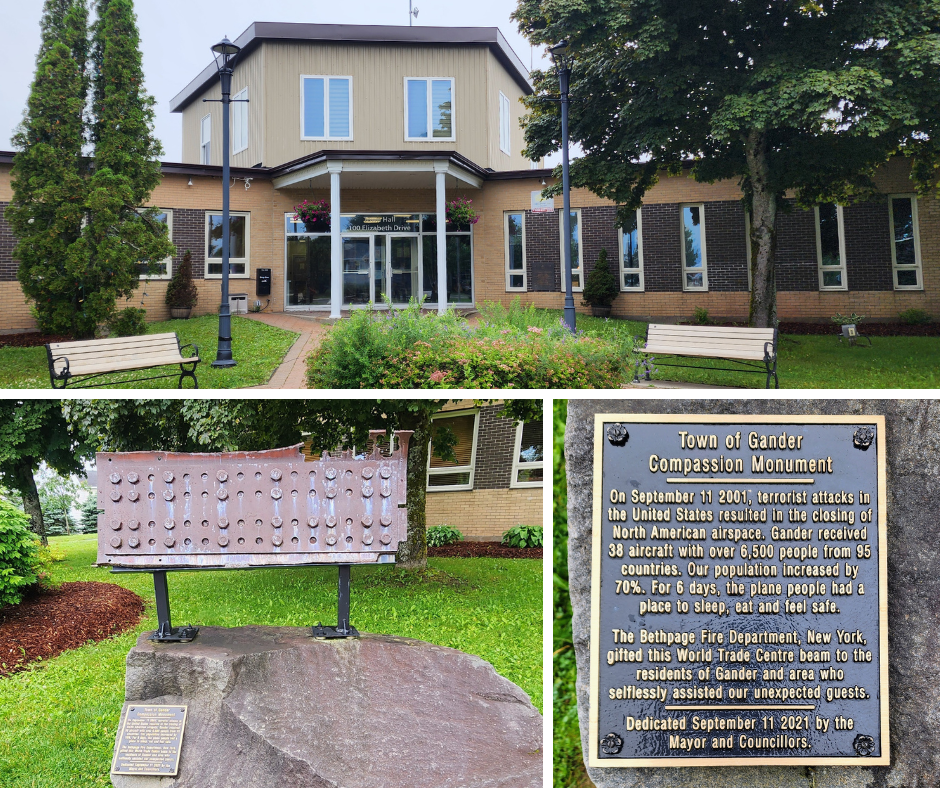
On September 11, 2001, the United States closed its airspace after the terrorist attacks. As a result, 38 international and military aircrafts with roughly 6,600 stranded passengers and crew were diverted to Gander. The town’s population of 10,000 suddenly grew by nearly 70%.
The people of Gander found themselves scrabbling to meet the cultural, dietary, medical, and religious needs of the passengers who had come from 95 different countries. Over the course of five days, the local residents worked around the clock to provide housing, food, and emotional support for their anxious and unexpected guests. The local pharmacy and townspeople donated clothes and essential toiletries as the stranded passengers did not have access to their stored luggage on the planes.
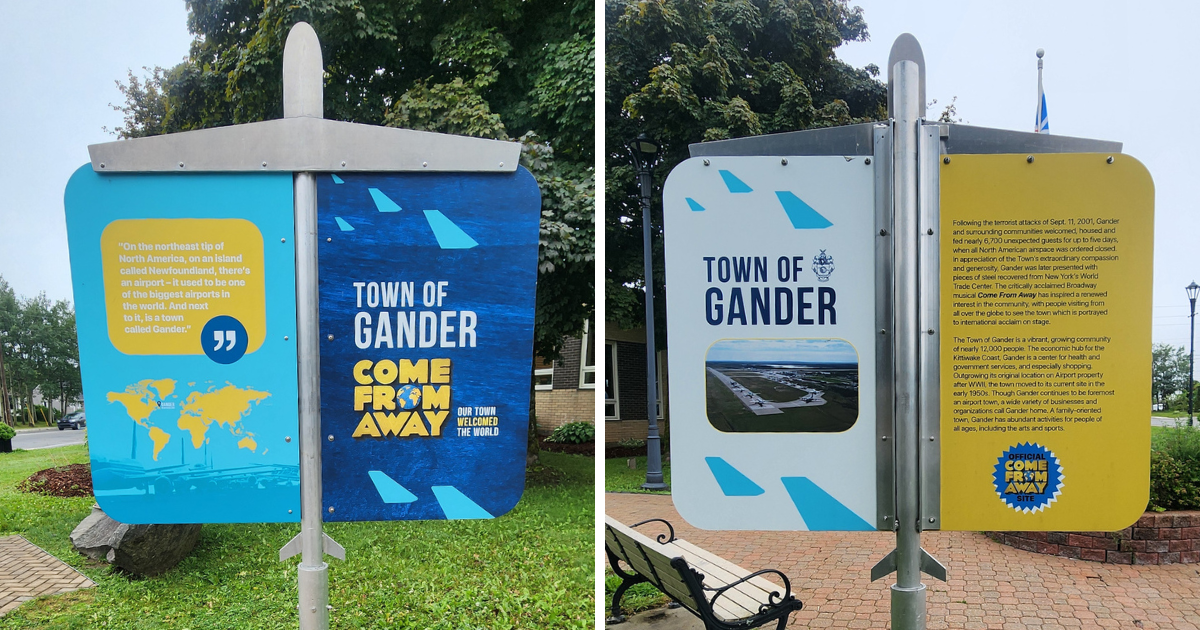
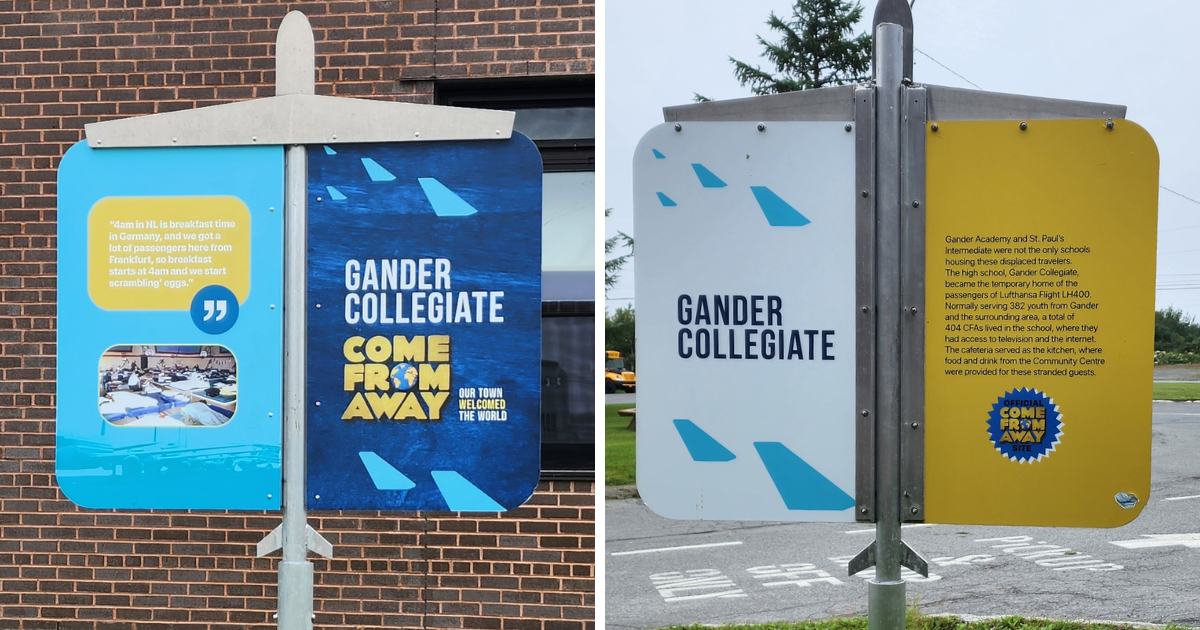
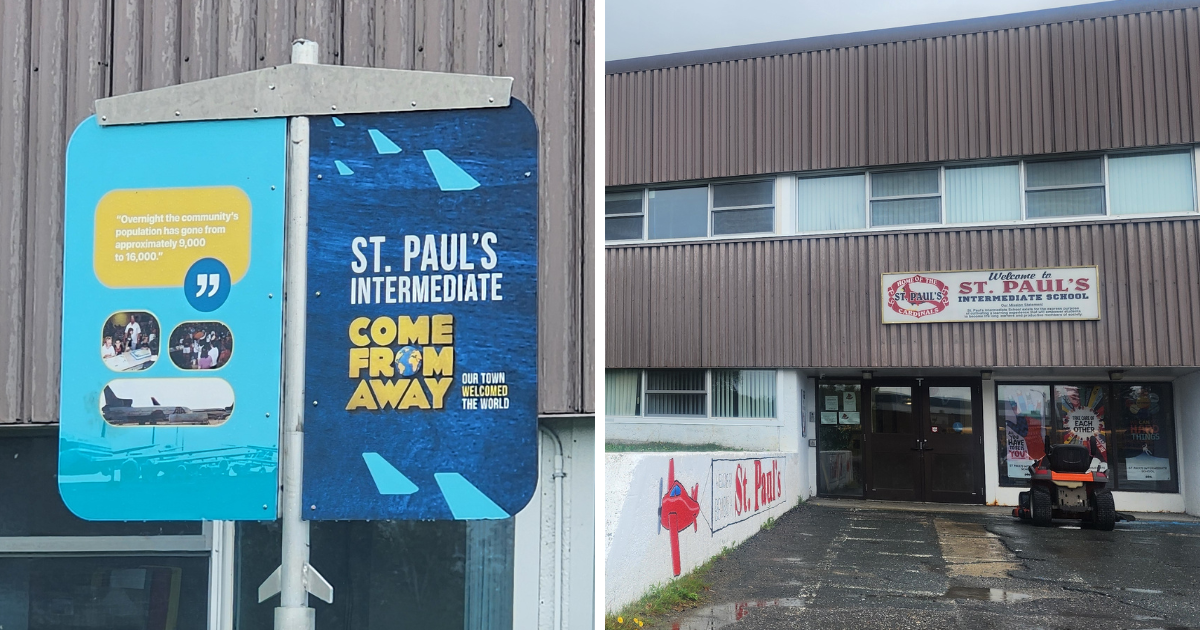
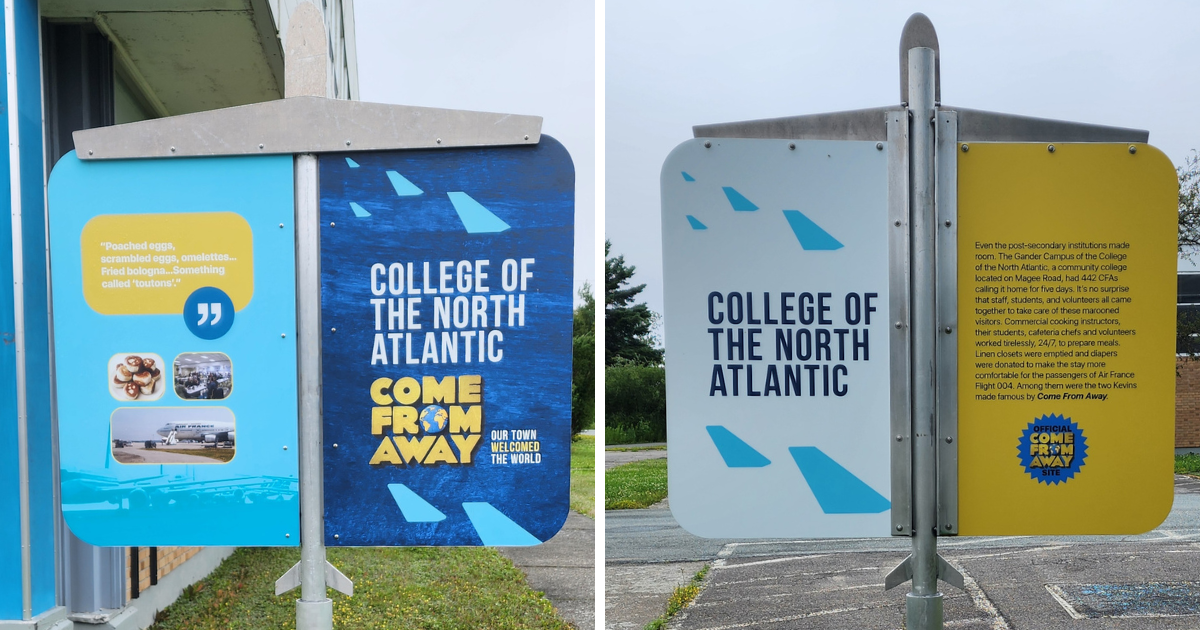
At the Visitor’s Centre, we learned that Gander had put up interpretive panels that provide details and first-hand accounts of the 9/11 events. The musical Come From Away references all of the sites.

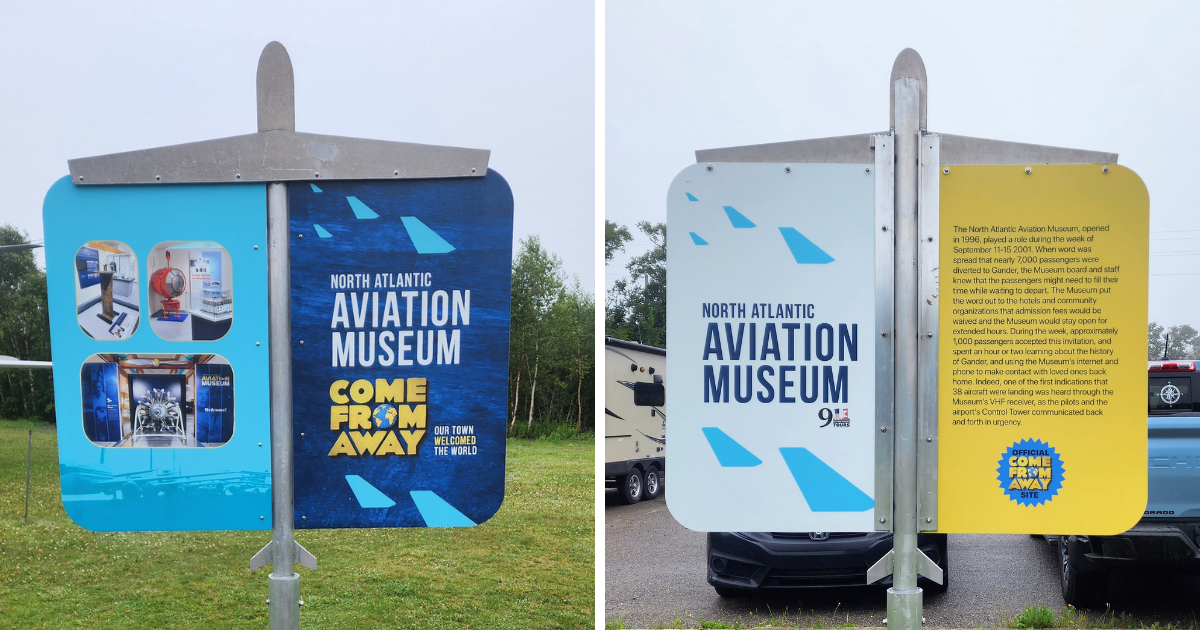
The Gander Aviation Museum was a wonderful way to learn about town’s aviation history. Visitors can also further learn about the crucial role the town had following the 9/11 tragedy in the U.S. by listening to ATC audio recordings and see two pieces of the Twin Towers.
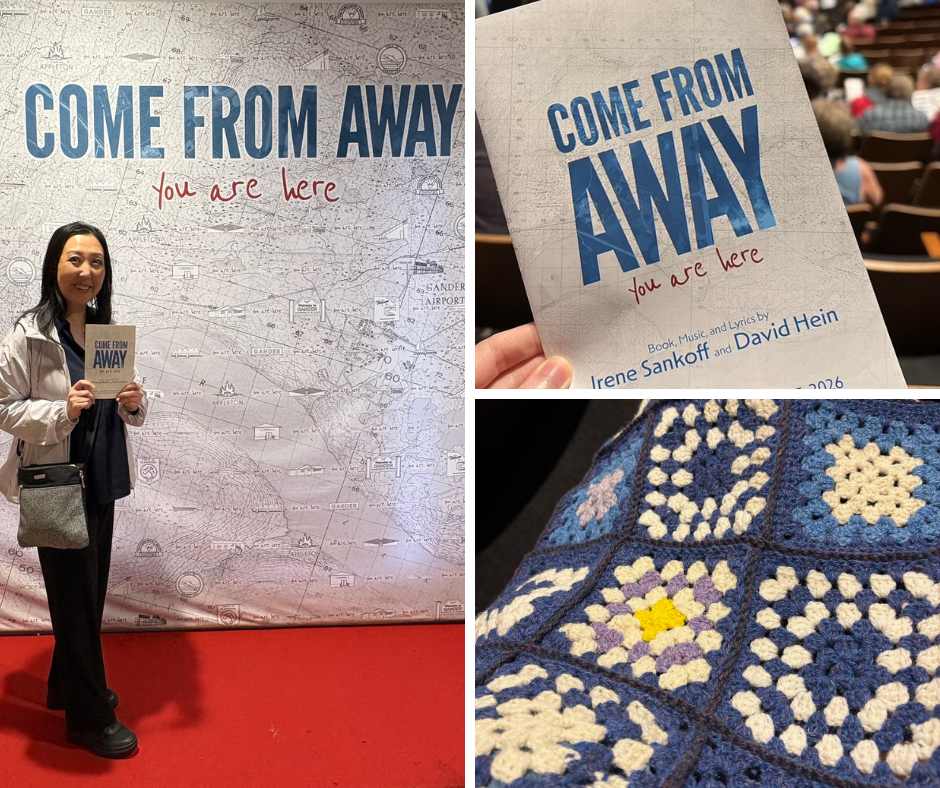
The play, Come From Away, captures this story. Watching the musical in Gander, where the actual events unfolded, was incredible. Before the play began, a local resident, a teacher who had helped coordinate housing and supply efforts at her school, came on stage and shared her account of what happened on Sept 11, 2001. Schools, churches, fire halls, and Legions were converted into shelters. People took strangers into their homes. Residents worked round the clock to feed the thousands of people daily meals.
The theatre walls are decorated with crocheted and knit granny squares made by locals. Some of them were used to make lap blankets that audience members could use to stay warm while watching the play.
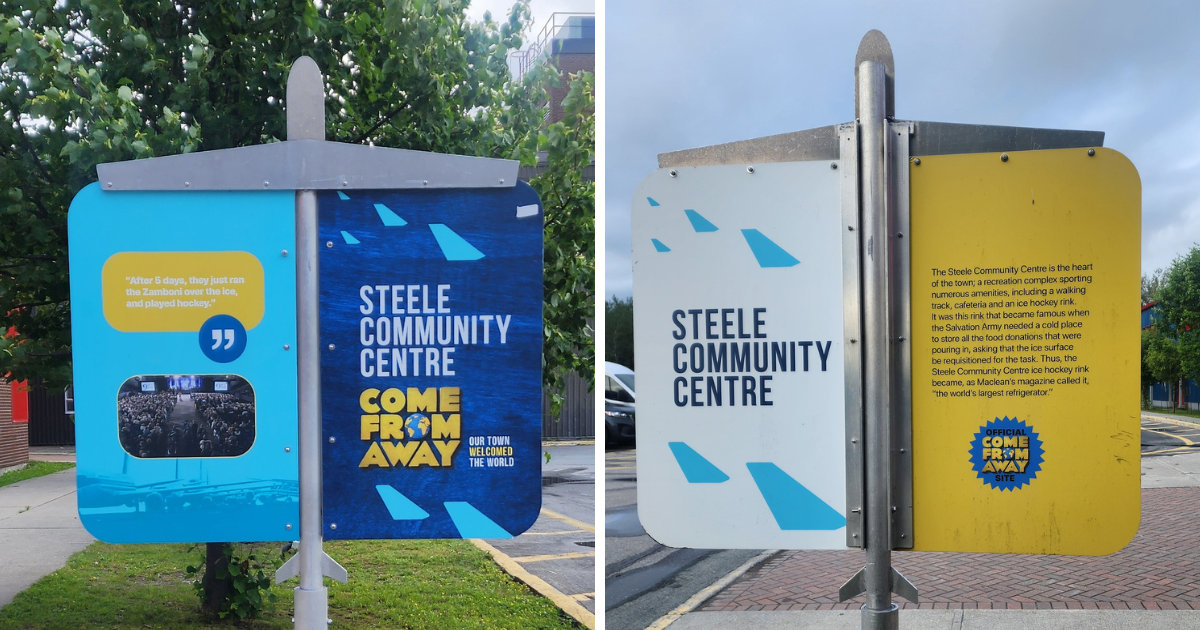
The musical was held at the Steele Community Centre which hosts concerts, sporting events, conventions and more. As the sign states, the venue played a key role in the town’s efforts to support the stranded passengers.
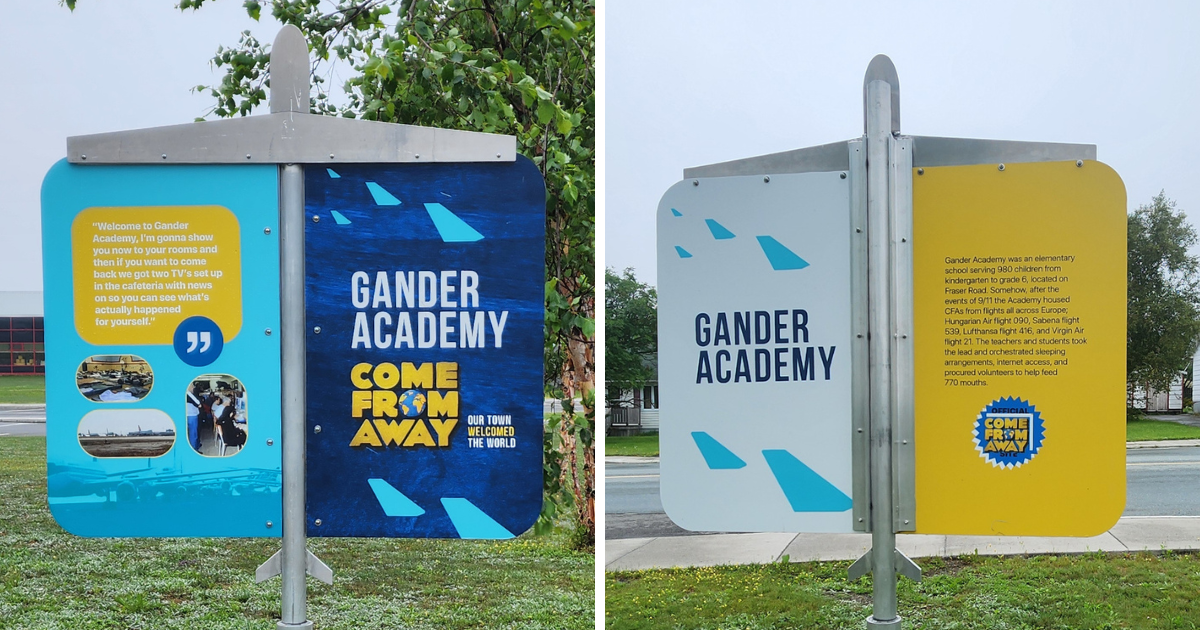
School gyms, classrooms, and hallways were used to house hundreds of stranded passengers. Students and staff helped organize and distribute cots, sleeping bags, and other necessities.
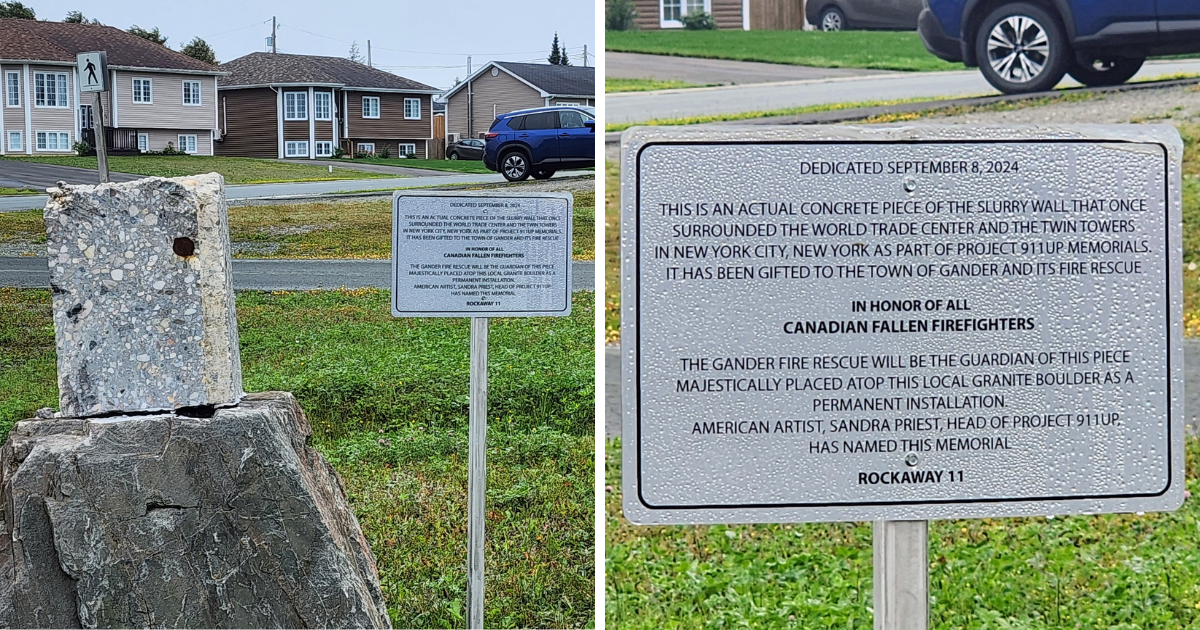
This is an actual concrete piece of wall that once surrounded the World Trade Centre and the Twin Towers. It rests on top of a local granite boulder. The installation, headed by American artist Sandra Priest, as part of Project 911UP, rests outside the fire rescue (photo below).
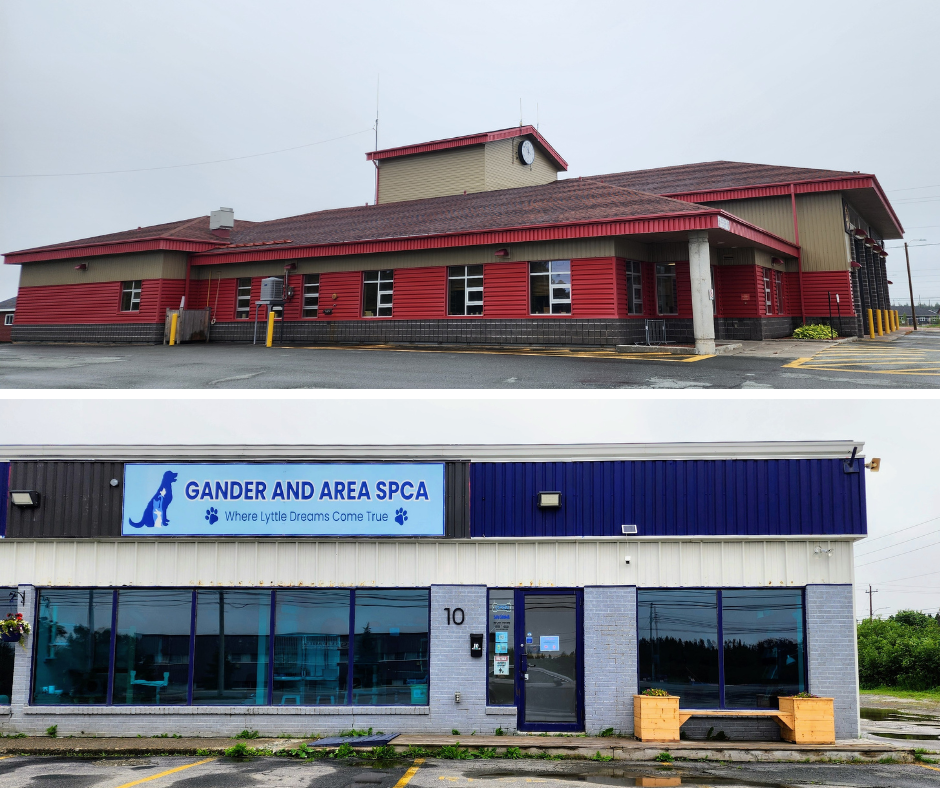
Not every site mentioned on the Wayfinding Guide had signage. The SPCA cared for the stranded animals aboard the planes.
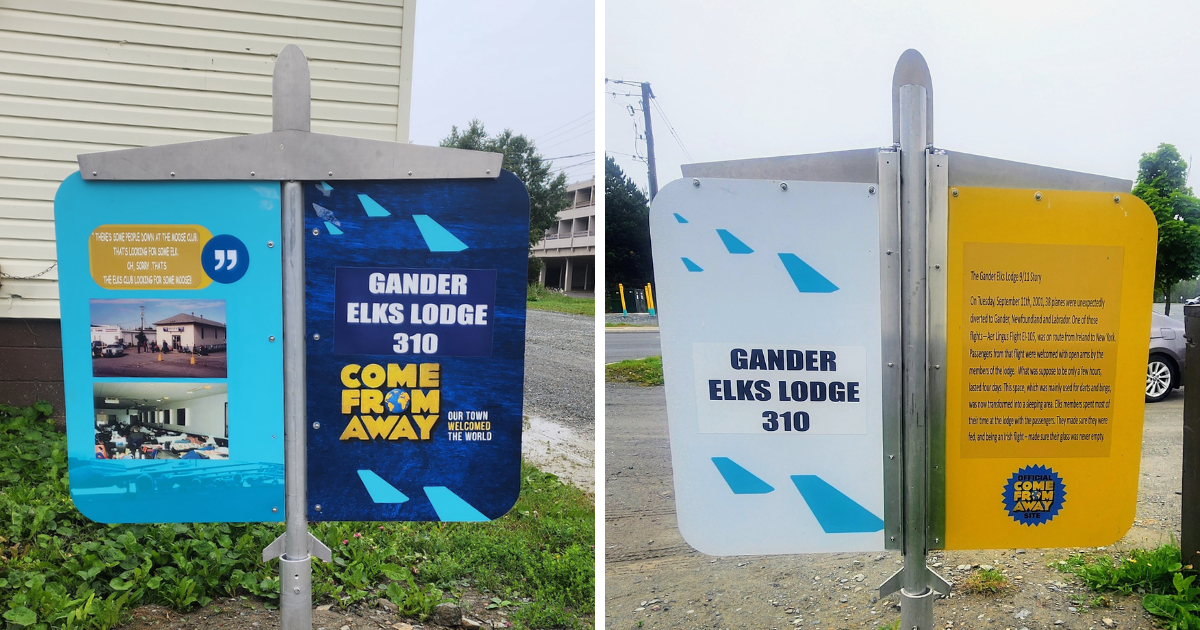
Another key location was the Elks Club which served as an emergency shelter and a gathering place for the stranded passengers. The Royal Canadian Legion, Branch 8, was also noted in the musical as having played a key role in supporting the stranded passengers.

We got this great guide at the airport helped us maximize our time in town. It includes a bit of history, population changes over the years, things to do, and fun facts about Gander.
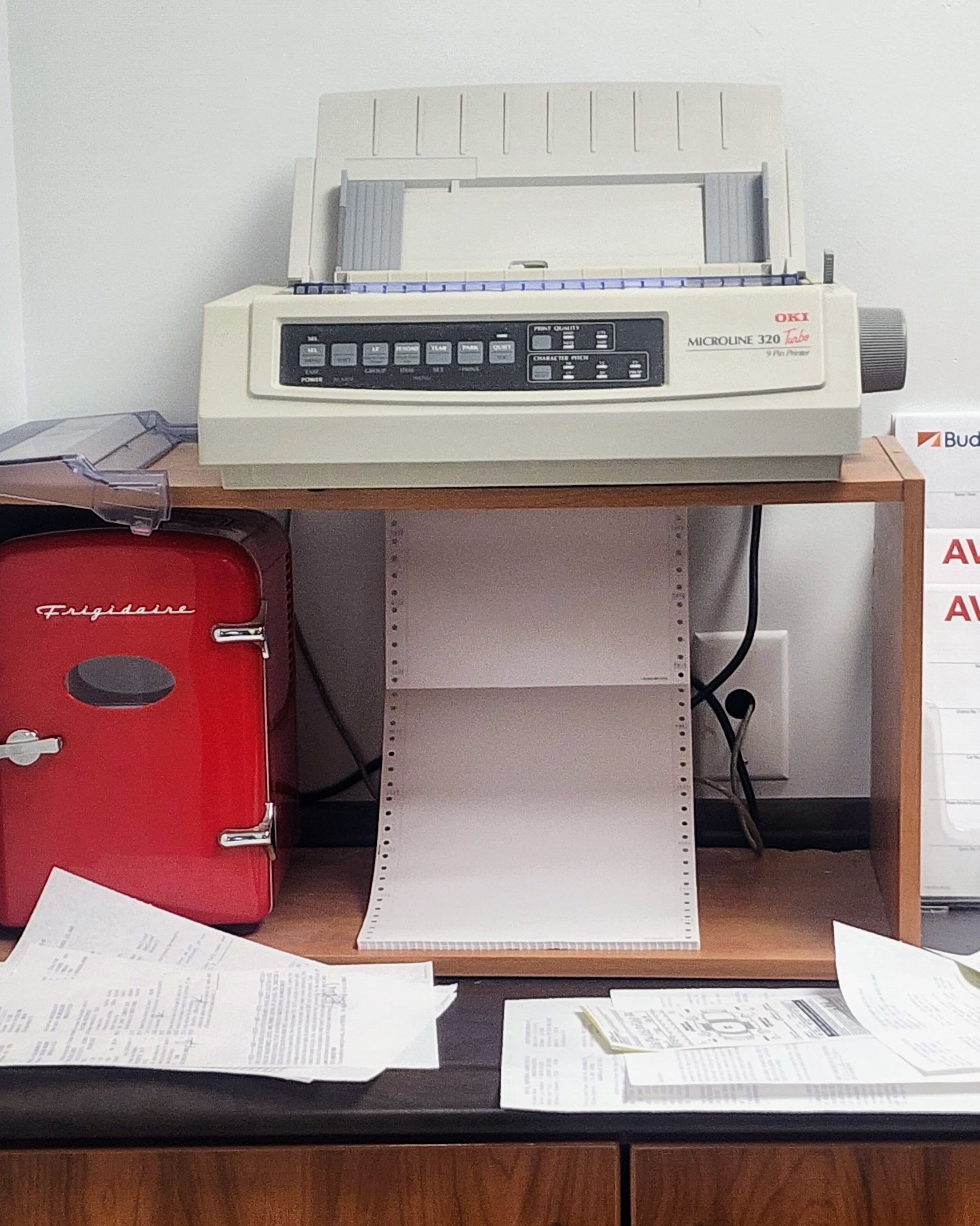
Finally, seeing this printer made me smile! It belongs to Budget Rent a Car at the airport. Not sure how many people would remember the dot matrix printers with the continuous paper with sprocket holes.
I used to get so frustrated dealing with paper jams and trying to tear the pages properly!
My family and I also visited several nearby towns. I’ll share more photos of Newfoundland in the next post.
Winterset In Summer Literary Festival
Posted on August 17, 2026
My first time in Eastport, Newfoundland! I was thrilled to be part of Winterset in Summer Literary Festival‘s 25th year.
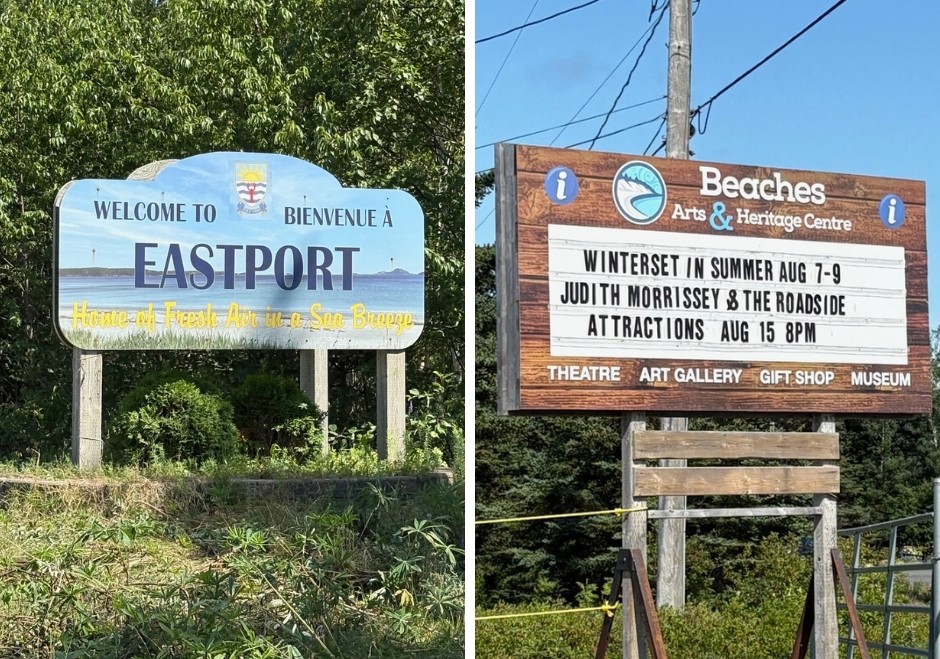
Eastport was an hour drive from Gander International Airport. The town is located in Central Newfoundland on the Eastport Peninsula. My family and I enjoyed the nearby sandy beaches and explored the many coastal hiking trails that offered stunning ocean lookouts. The festival was held at the Beaches Arts & Heritage Centre.
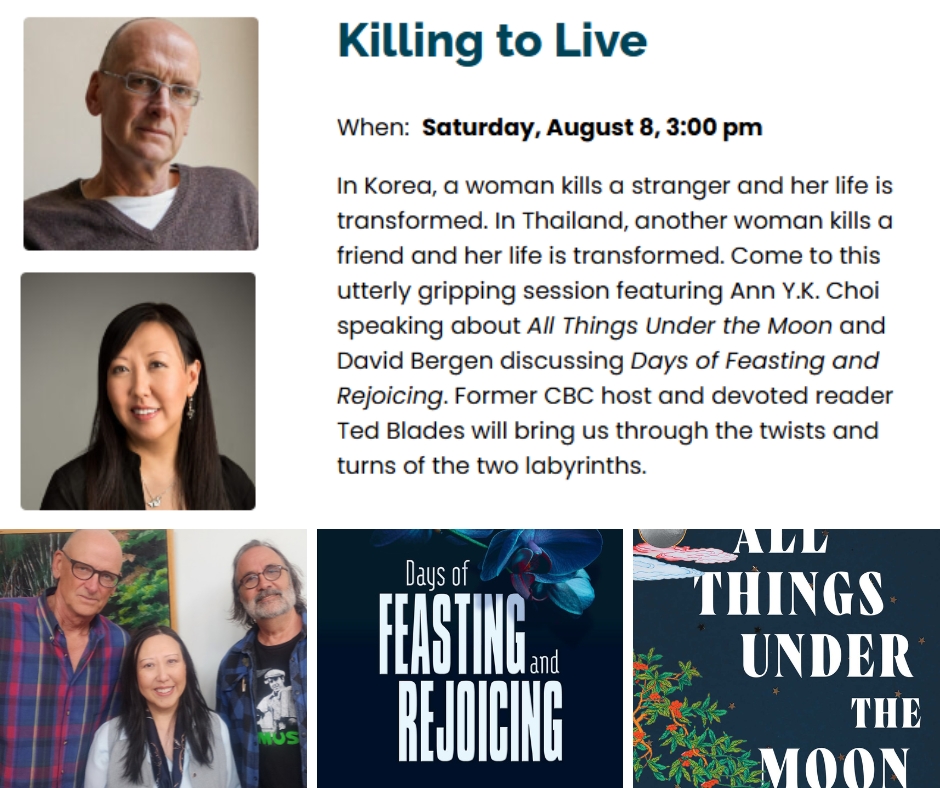
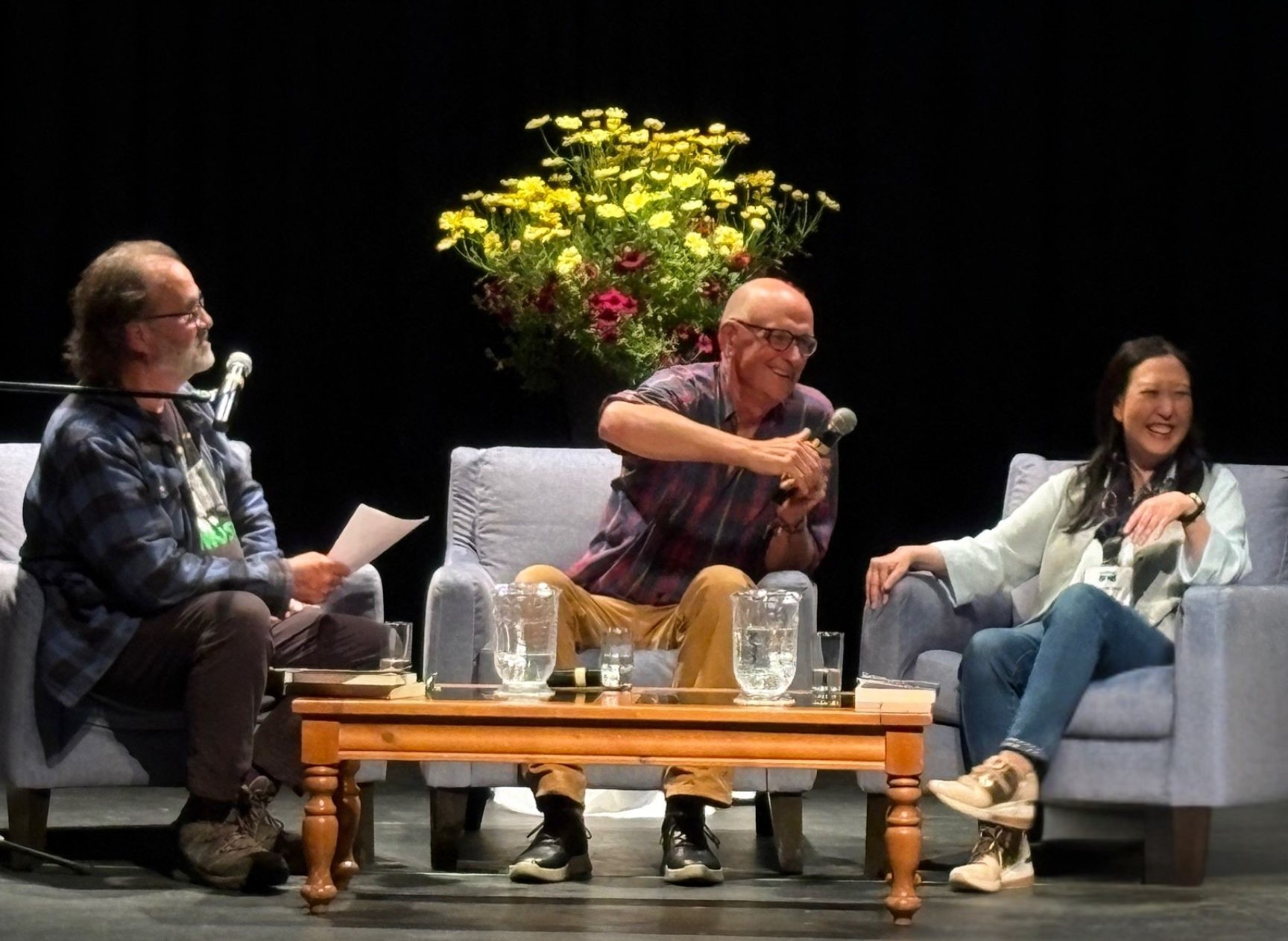
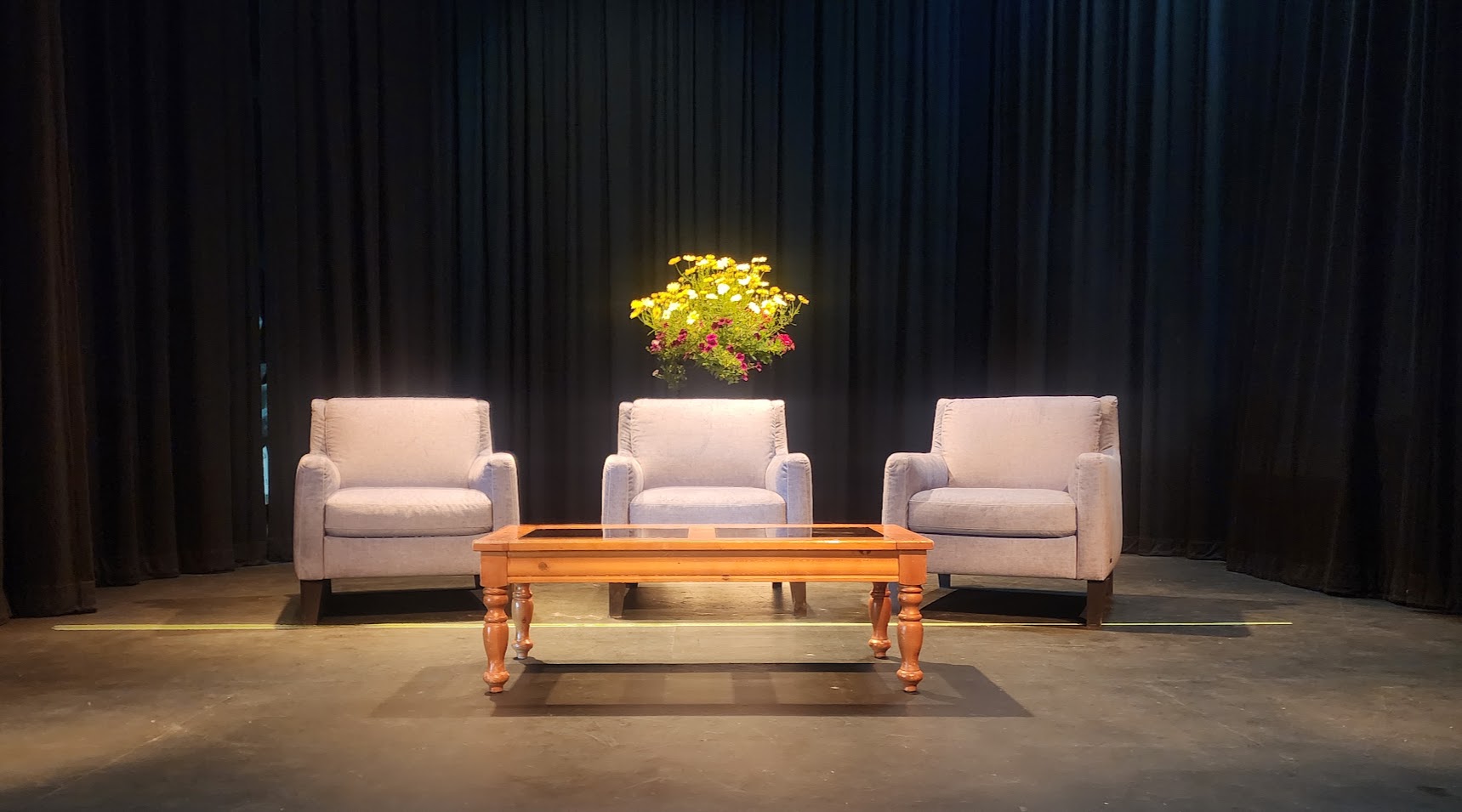
This was my first time in conversation with David Bergen. On stage, we discovered that Phyllis Bruce, one of Canada’s most legendary editors, edited both our debut novels. A Year of Lesser was a Phyllis Bruce Books (imprint with HarperCollins Canada, 1996) and Kay’s Lucky Coin Variety was a a Phyllis Bruce Edition (imprint with Simon & Schuster Canada, 2016). Our moderator was the super-cool Ted Blades, who made it easy for us to have a relaxed and fun chat.
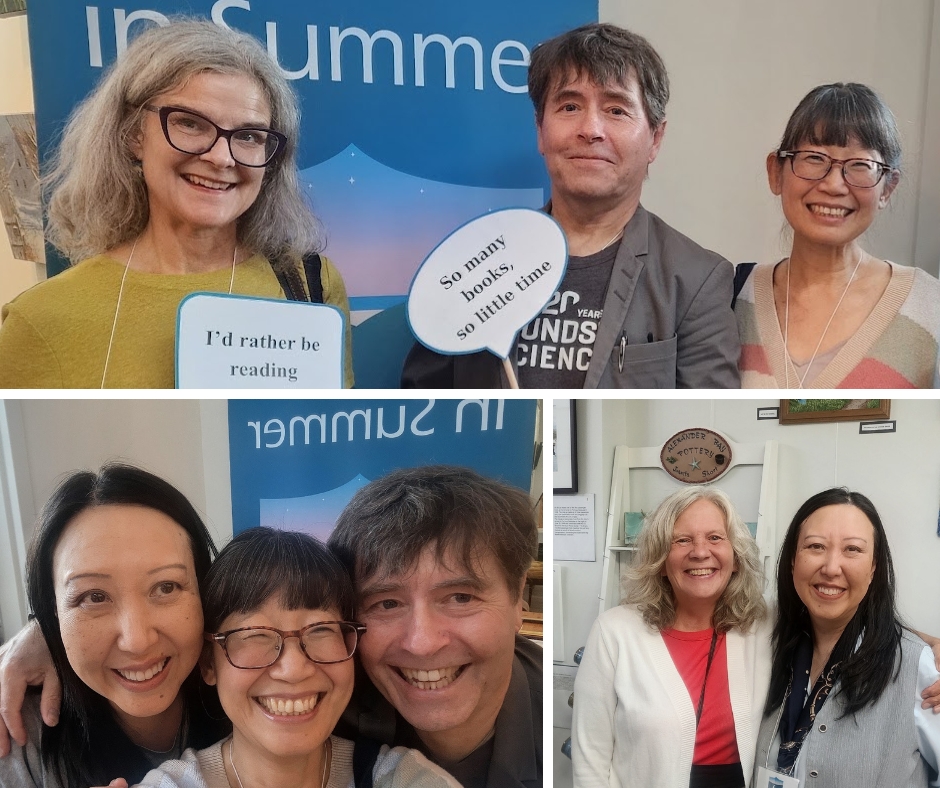
I can’t take selfies, but Maddie sure can! Ever since I read Sweetland, I’ve been a huge fan of Michael Crummey’s work. What a pleasure to meet and watch him on stage. And I finally got to thank Lisa Moore for her kindness and generosity when she moderated my first out-of-province lit panel back in 2016. Kay’s Lucky Coin Variety had been published that year and suddenly I was in Vancouver sharing a stage with Ivan Coyote and Ashley Little for one event and Andre Alexis, Rowan Hisayo Buchanan, Emma Donoghue, Francesca Melandri, Peter Robinson with host Caroline Adderson, for another. Lisa told me to “just breathe.”
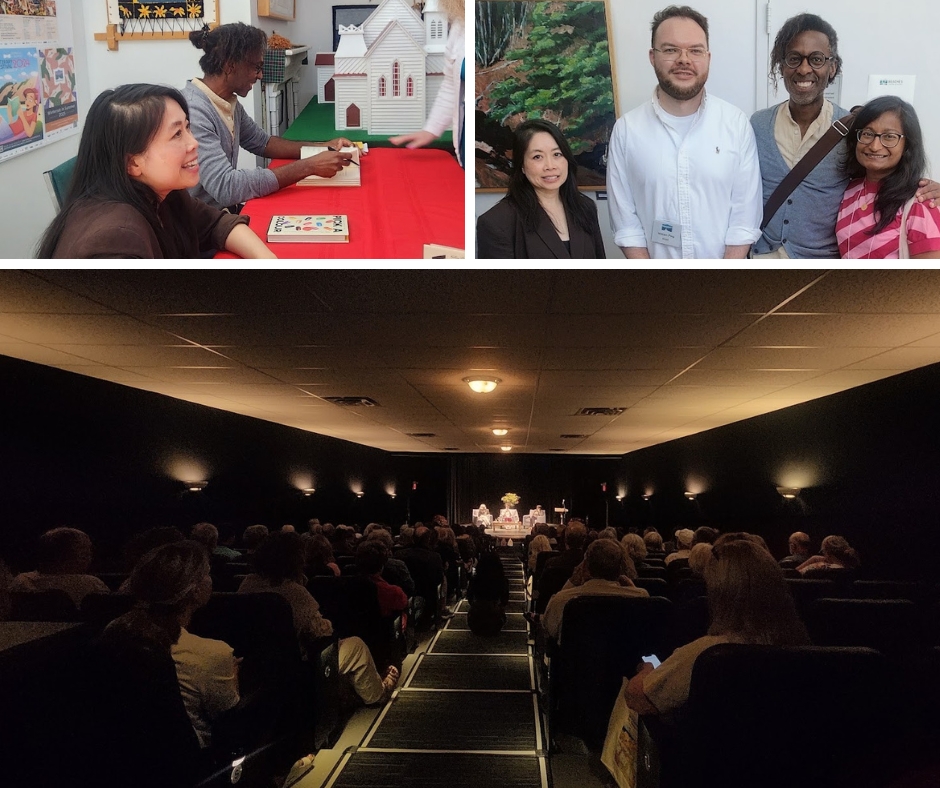
The event with Souvankham Thammavongsa and Ian Williams in conversation with William Ping was entitled “Excellence in Craft” and covered a range of topics that included beauty, appearance, and identity. Souvankham talked about how hard writing was – that the real work was the things readers couldn’t see – navigating editorial feedback, having to defend creative choices, and writing for countless hours that might not result in anything meaningful. Ian made everyone laugh when he said, “I’d trade food for a good idea.” He raised an important point when he wondered, who gets to be in a novel? What type of characters are included? Excluded?
Madeleine Thien in conversation with Eleanor Wachtel moved us with her candor and honesty. When asked, what is it to imagine? Maddie replied that she had spent something like 31,200 hours inside her imagination working on The Book of Records.
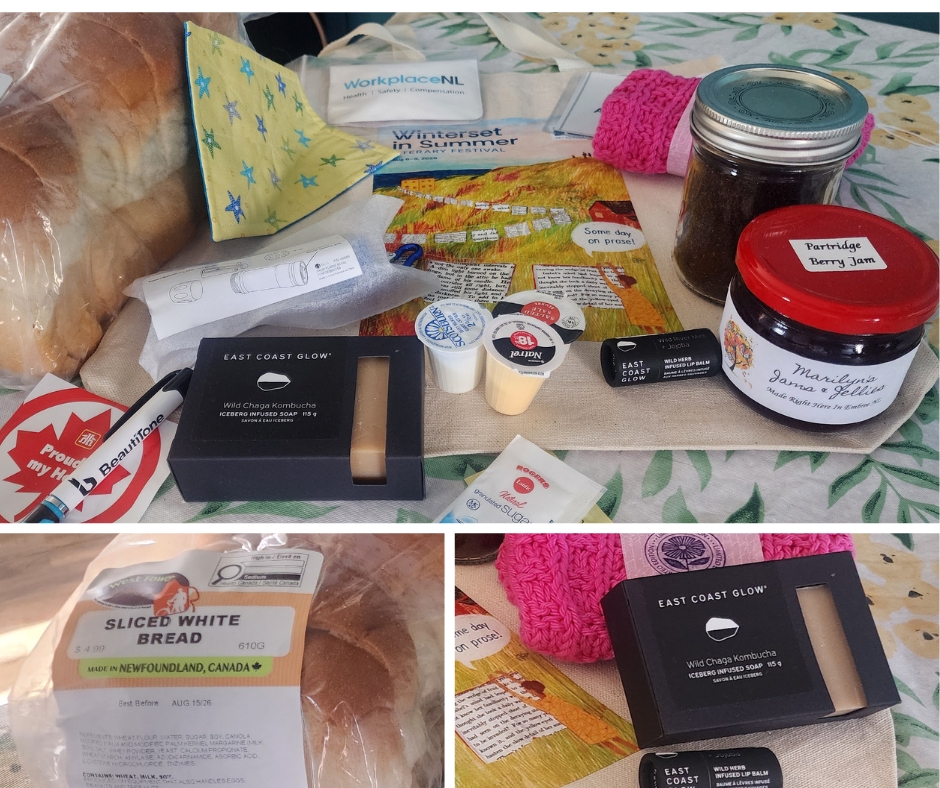
Our welcome bag had coffee, tea, bread, locally made jam and even a mini-first aid kit. The flashlight came in handy! It got very dark at night. The partridgeberry jam had a lovely tart twist without being overly sweet. The East Coast Glow lip balm, which I just started using, soothes and softens instantly – love it!
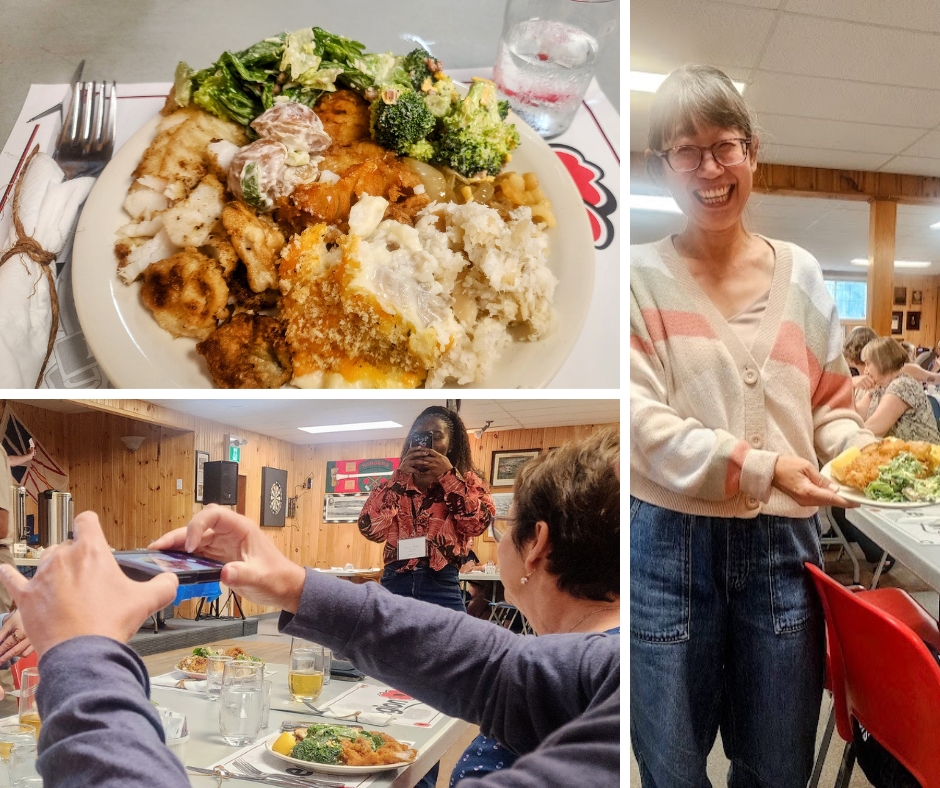
The fish dinner at the local Legion was a huge hit! People were taking photos of others taking photos of their meals – which made everyone laugh.
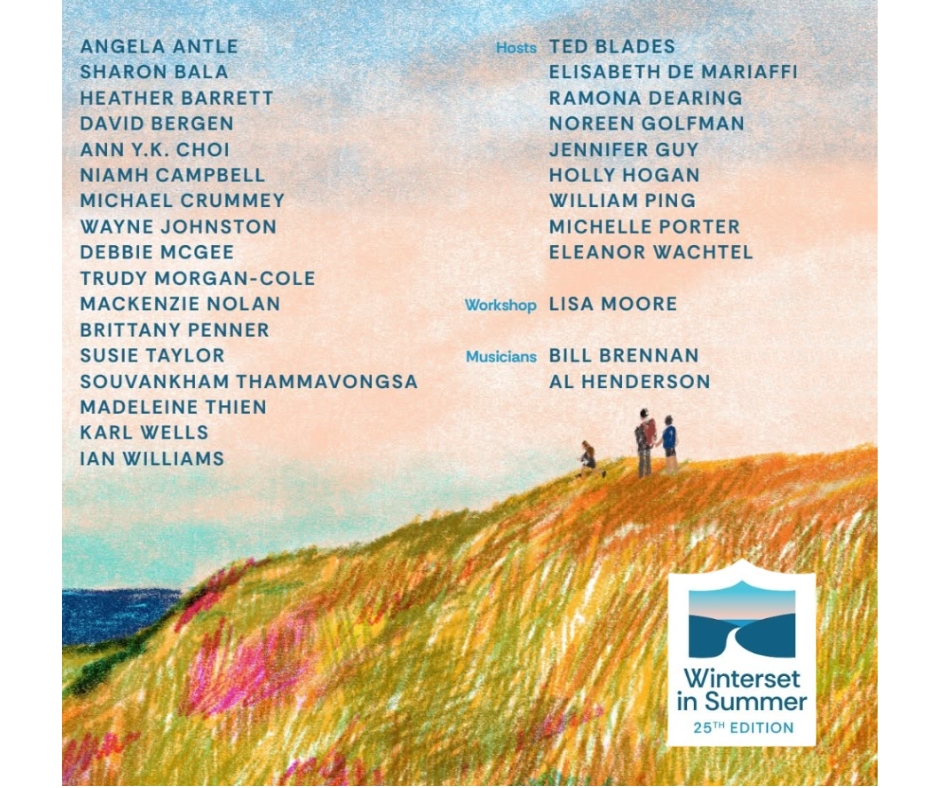
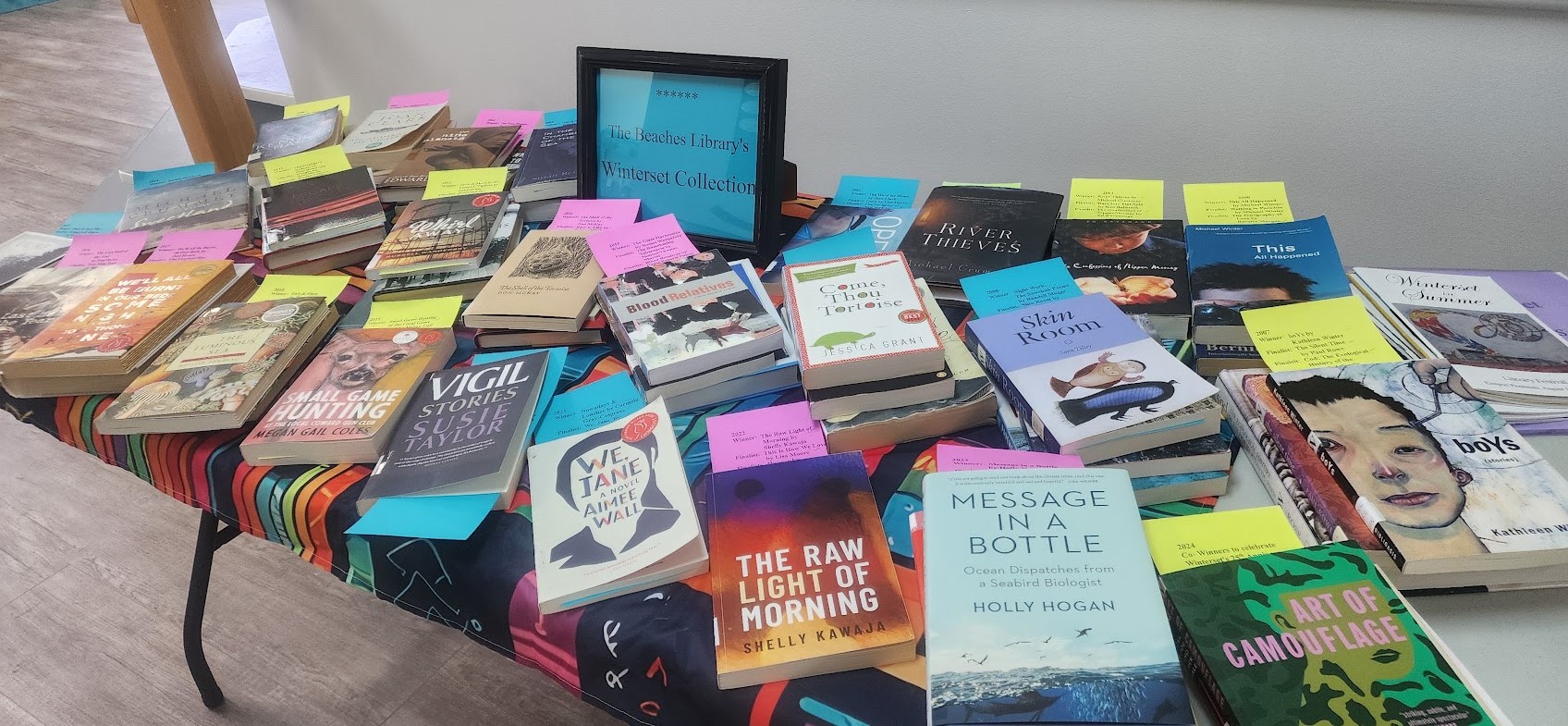
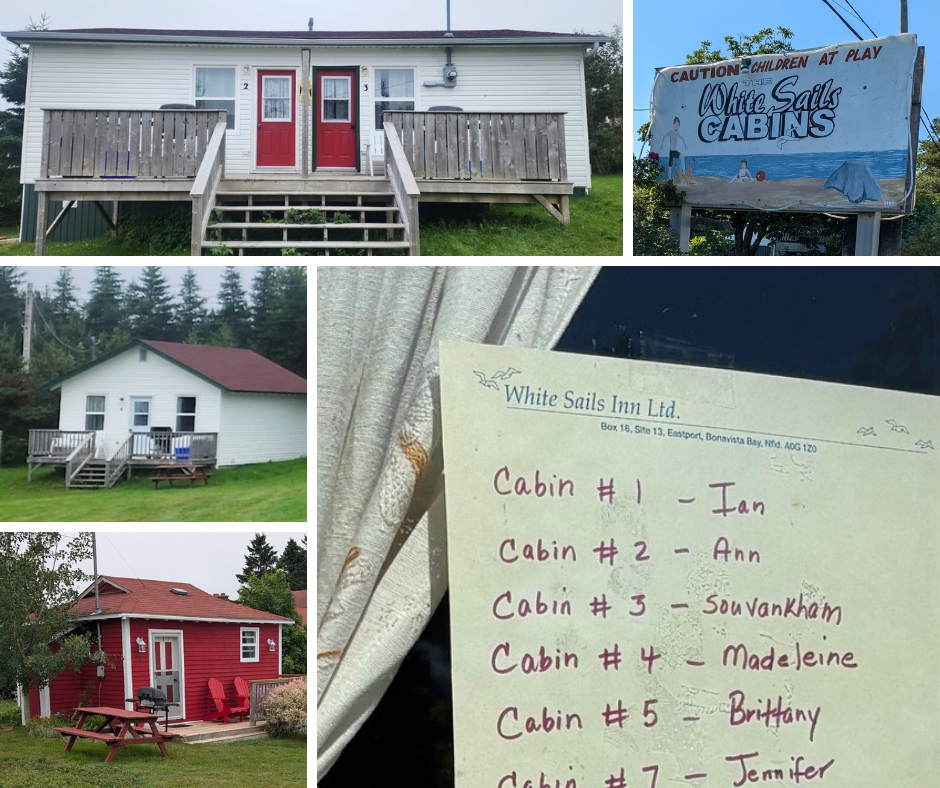
My family and I loved our little cabin! And because each cabin around us had an author staying in it, White Sails Inn felt like a little writing community. The festival also had a Hospitality space in a house near the Beaches Centre for guest authors and hosts to hang out and grab a bite to eat.
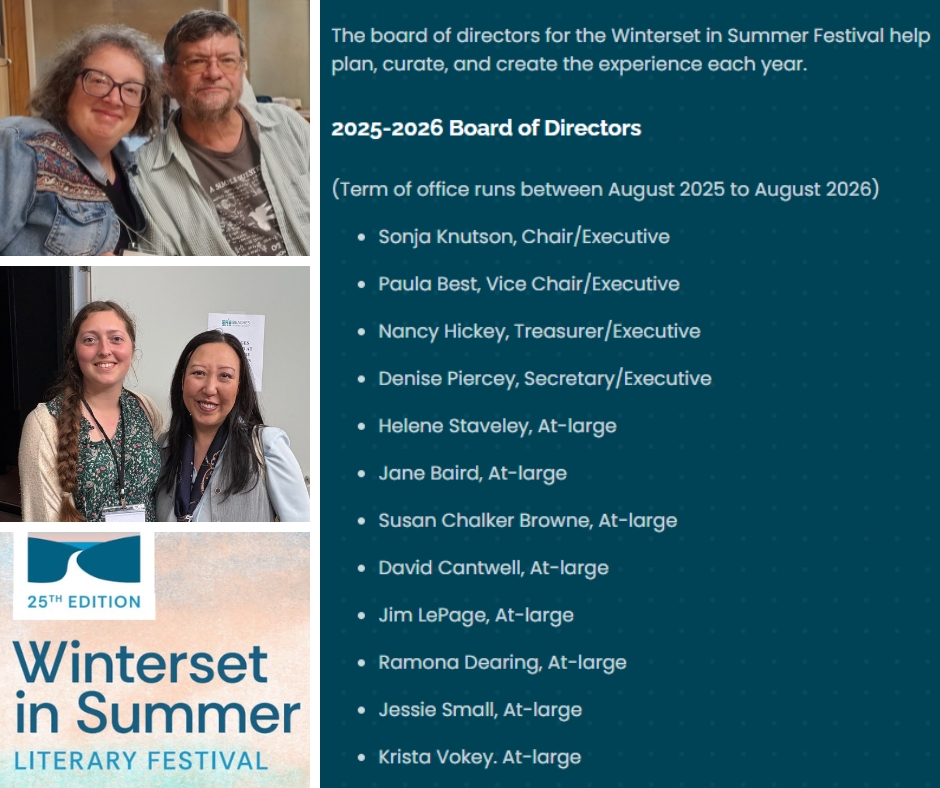
Congrats on 25 years Winterset! A huge thanks to everyone for making this year’s festival such a memorable and engaging experience.
Special thanks to Emma (middle photo) for lending me her copy of All Things Under the Moon to read on stage. And, Helene (top photo), I hope you keep writing!
My debut novel turned 10!
Posted on May 9, 2026
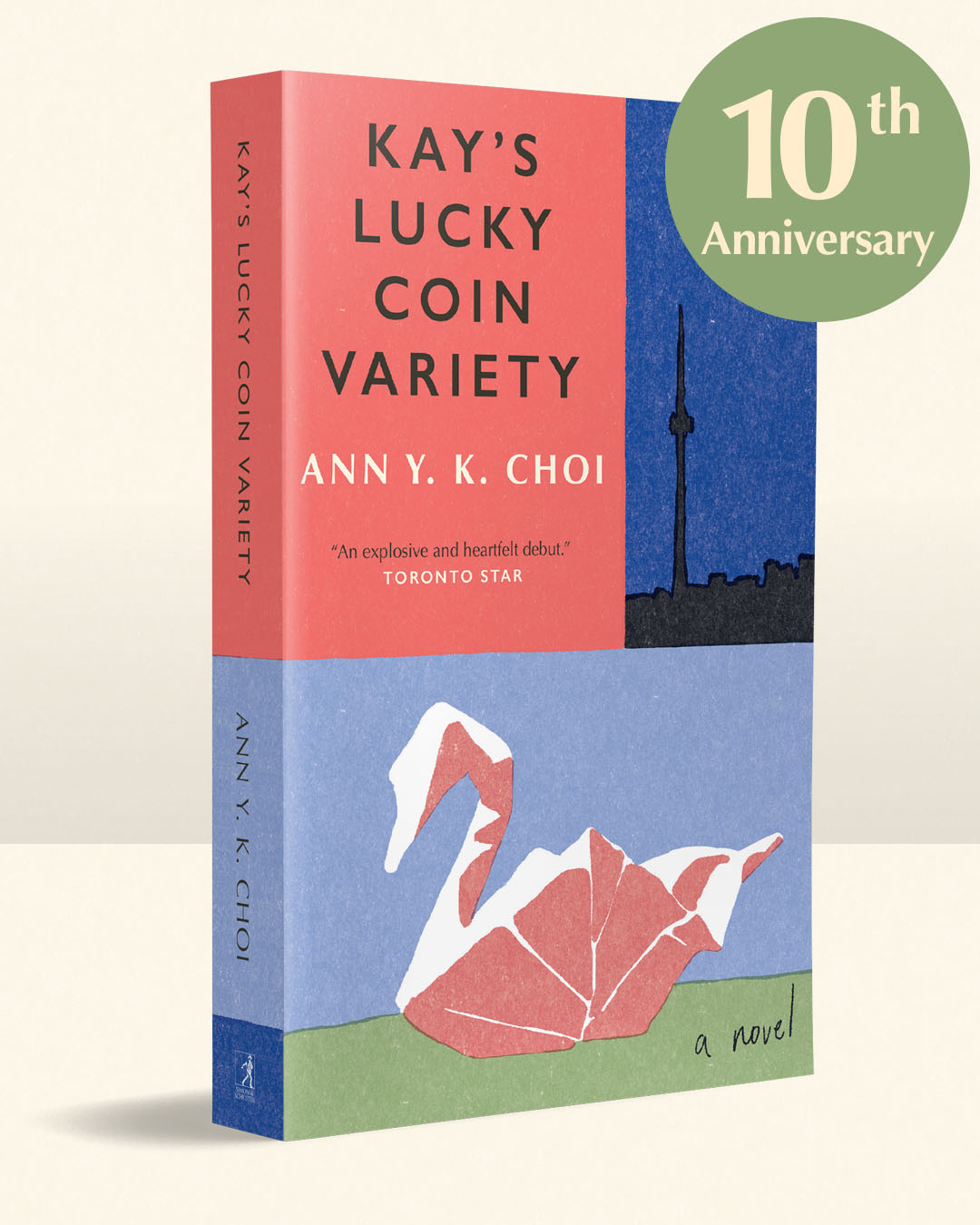
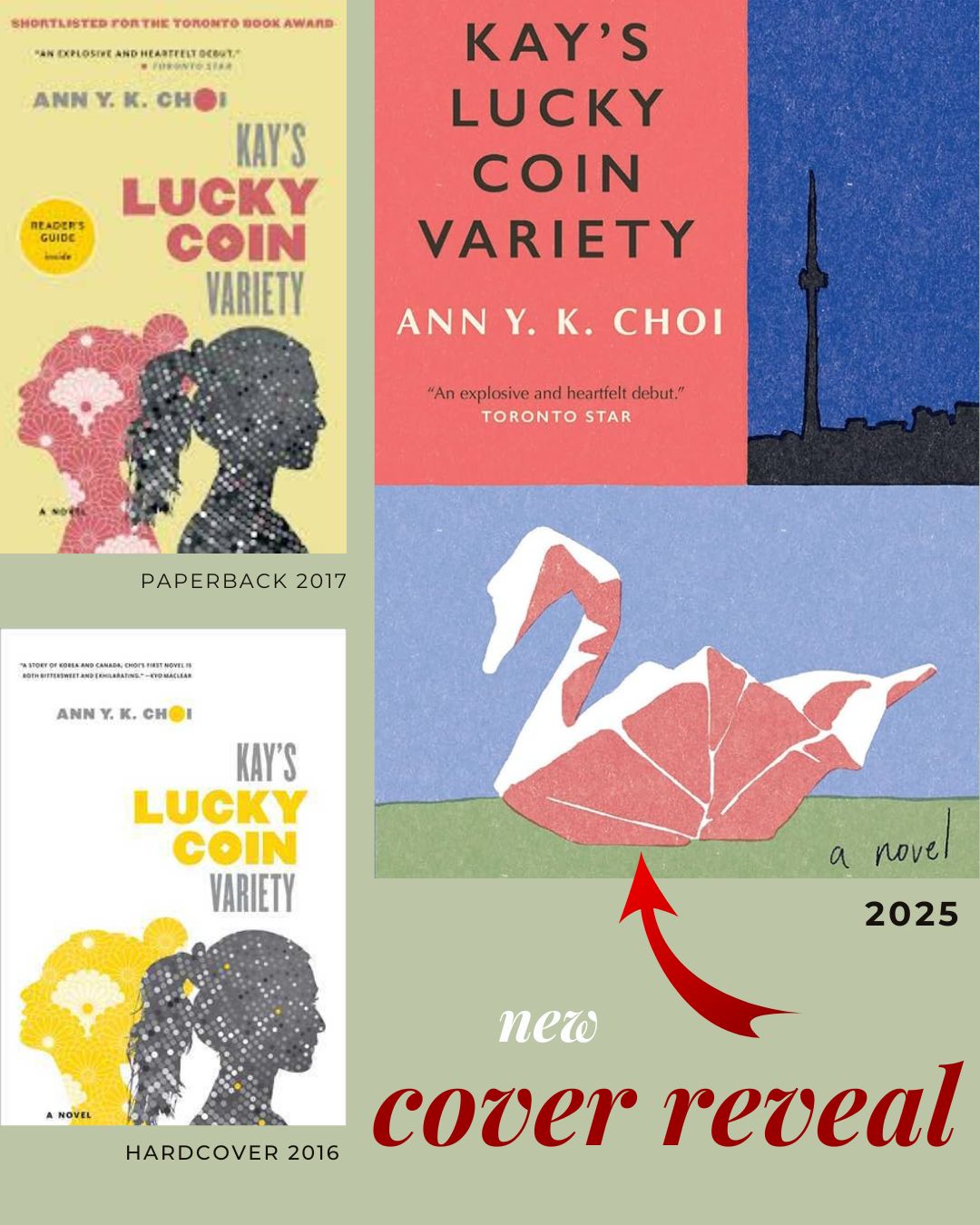
The hardcover version of my debut novel, Kay’s Lucky Coin Variety, was released on May 3, 2016. Ten years later, the novel has a new look and feel.
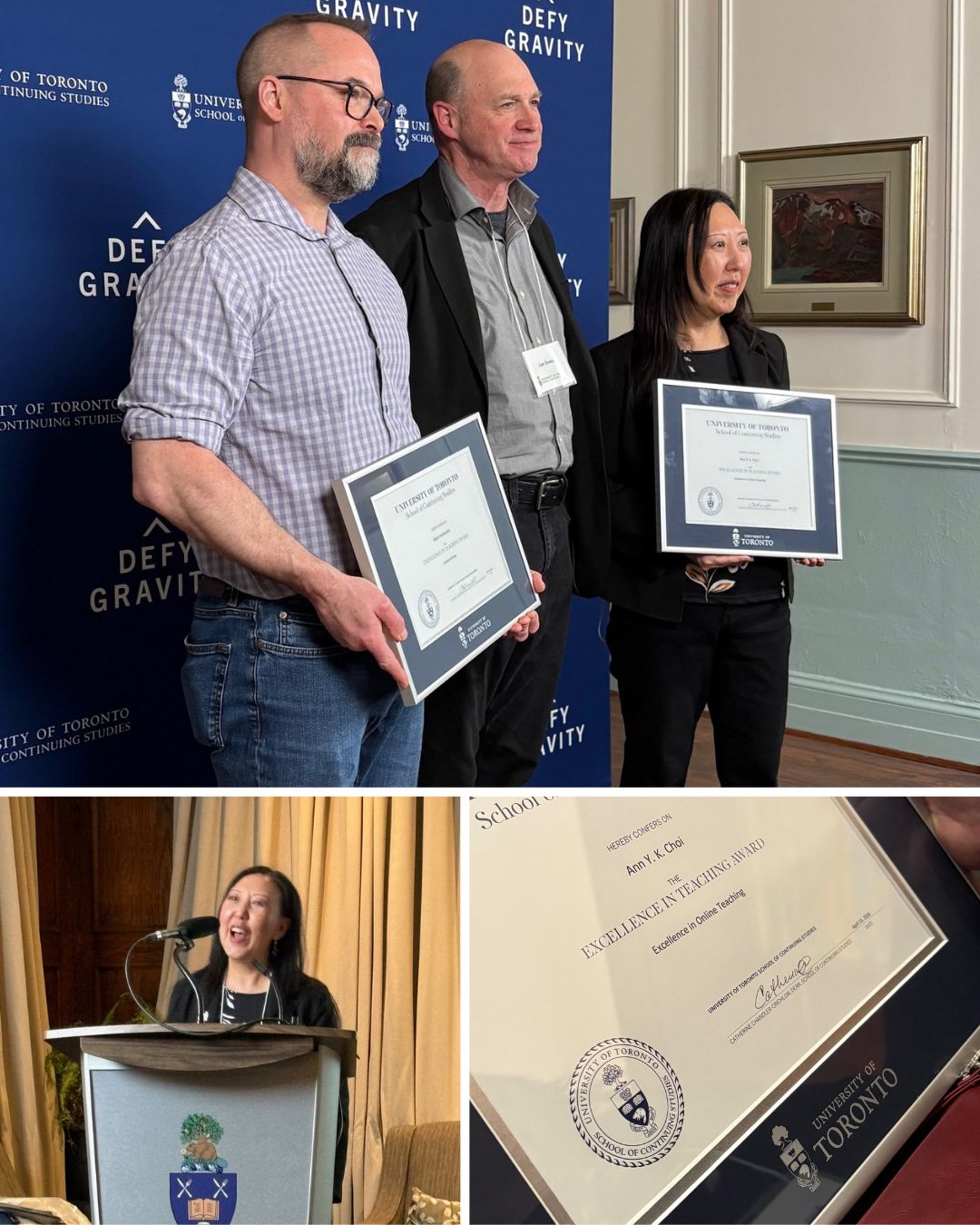
My first teaching award. It’s a full circle moment for me.
I graduated from the University of Toronto, School of Continuing Studies’ Creative Writing Certificate program back in 2012. More than a decade later, I was invited to teach the course that kickstarted my novel writing journey – Intro to Novel Writing. And now to receive an Excellence in Teaching award leaves me a bit speechless.
Special thanks to Lee Gowan, the creative writing program director, for his constant support. And what a treat to celebrate with author Kevin Hardcastle who was the recipient of the Excellence in Teaching Award for creative writing.
(Top photo: Kevin Hardcastle, Lee Gowan, Ann Y.K. Choi)
Teaching novel writing online has allowed me to work with emerging writers from across Canada, and as far away as Argentina and South Korea. A huge thanks to everyone in my classes for the privilege of working with you as you move forward in telling stories of your own.
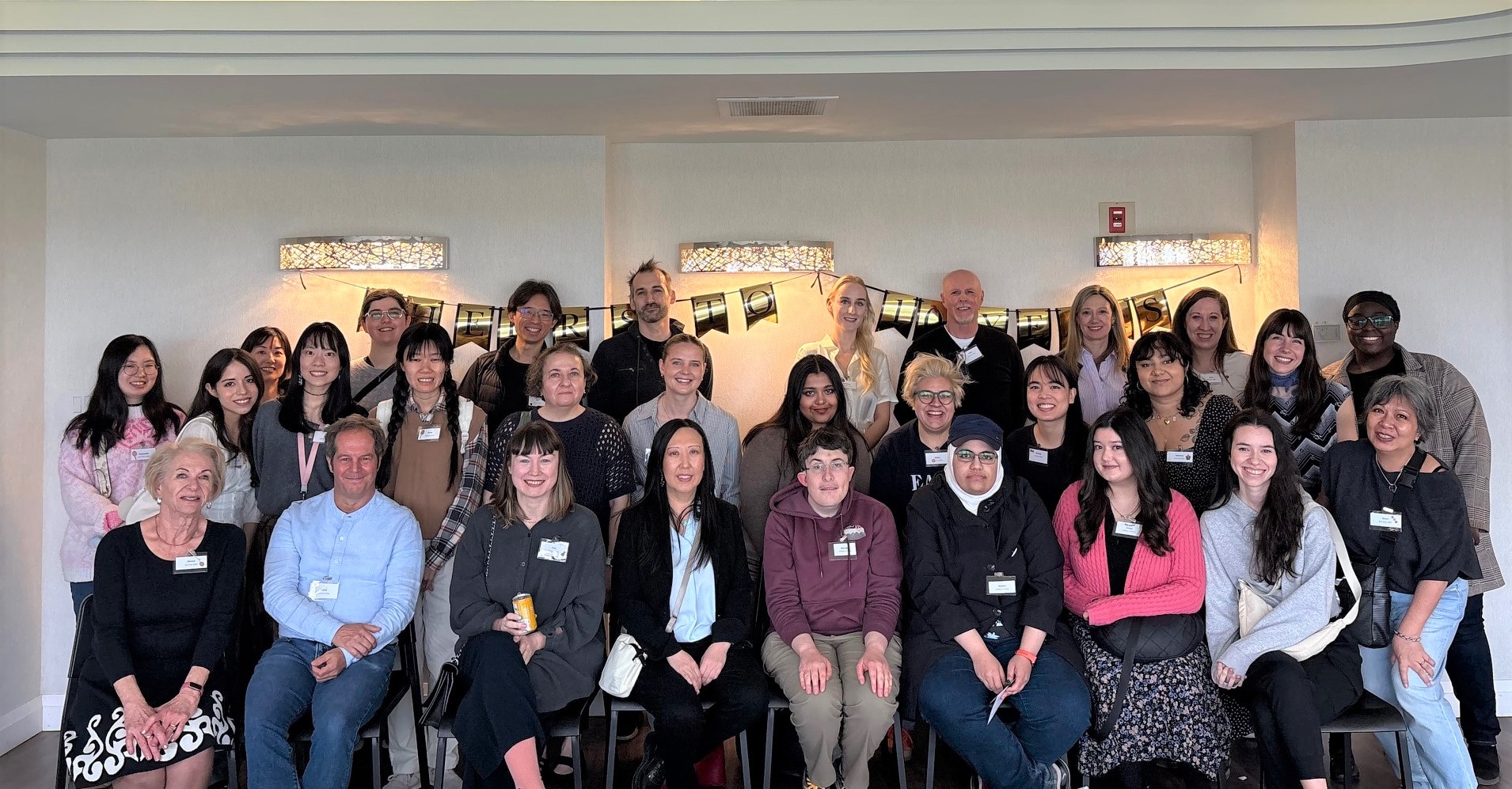
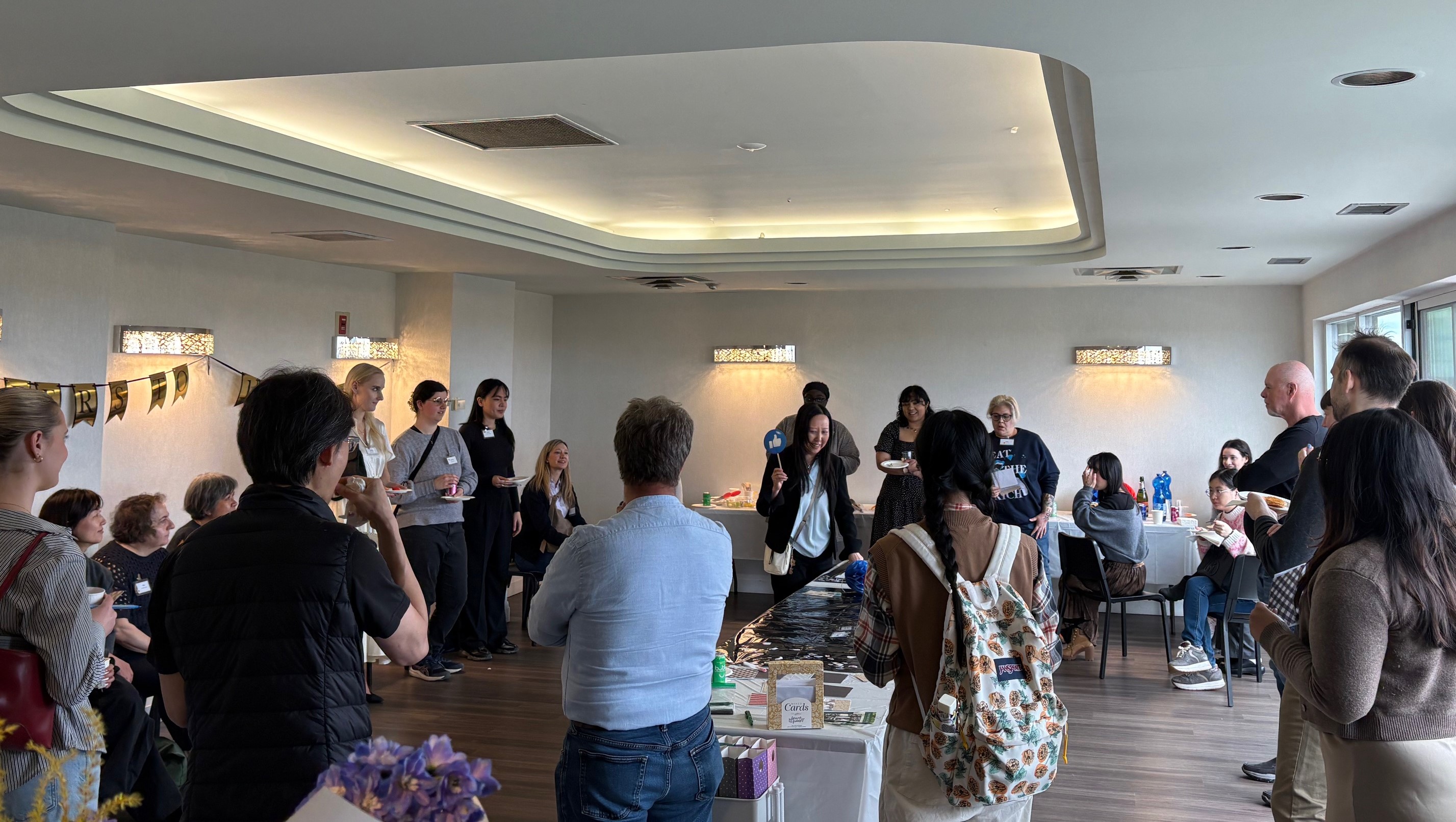
Emerging writers from my past and present novel writing classes and mentoring groups who live in the Greater Toronto Area came out to celebrate with me. It was such a pleasure to meet some of them in person for the first time!
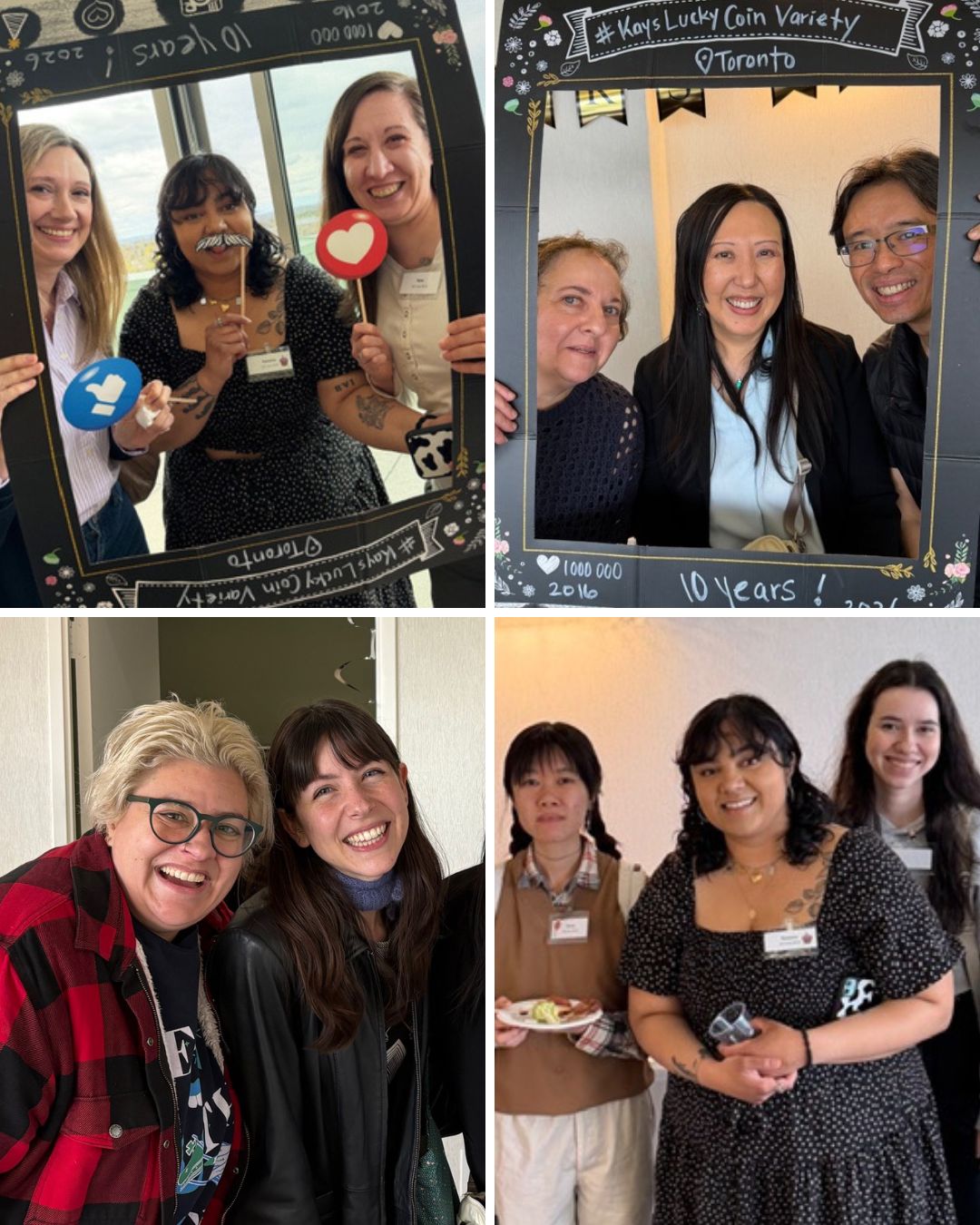
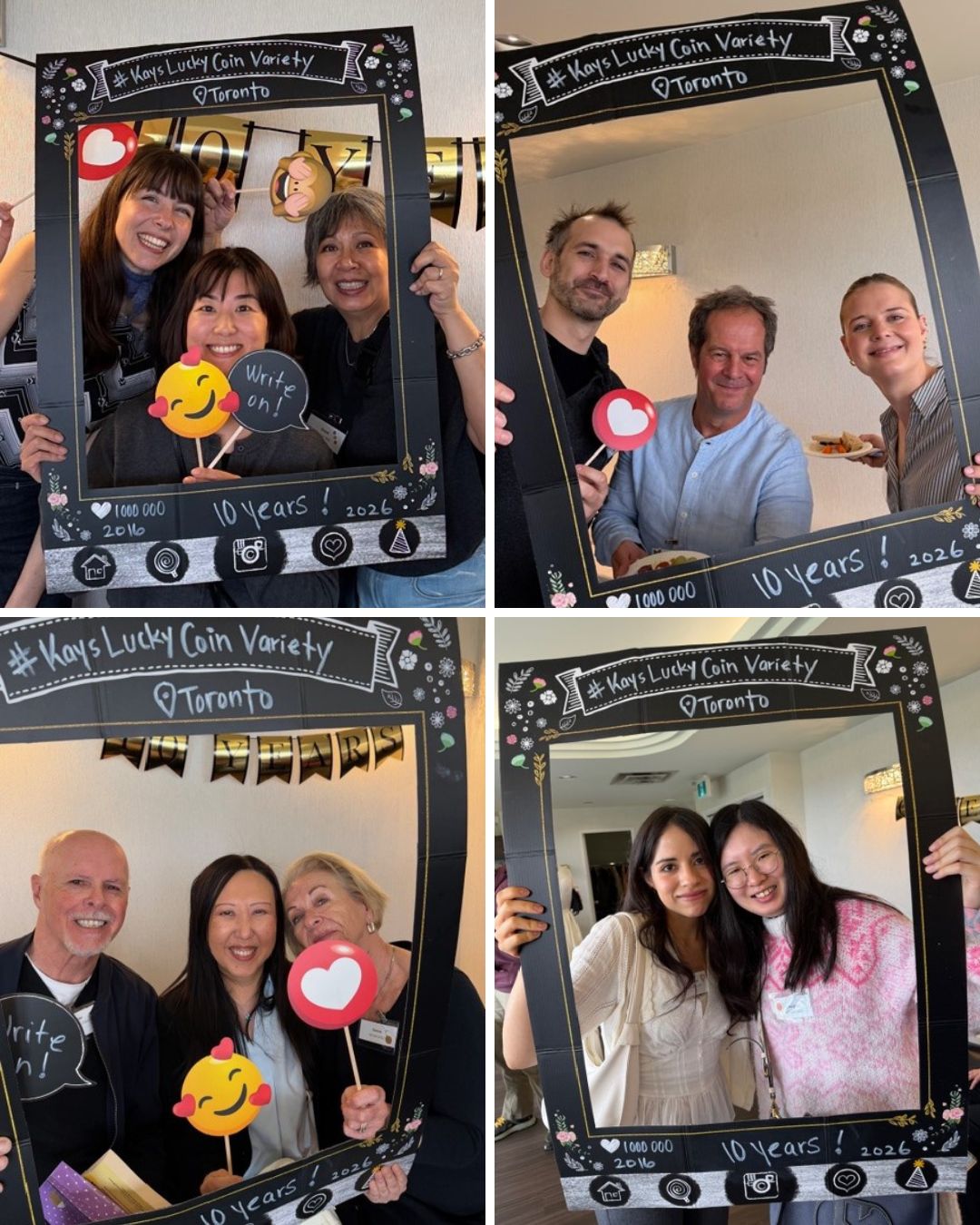
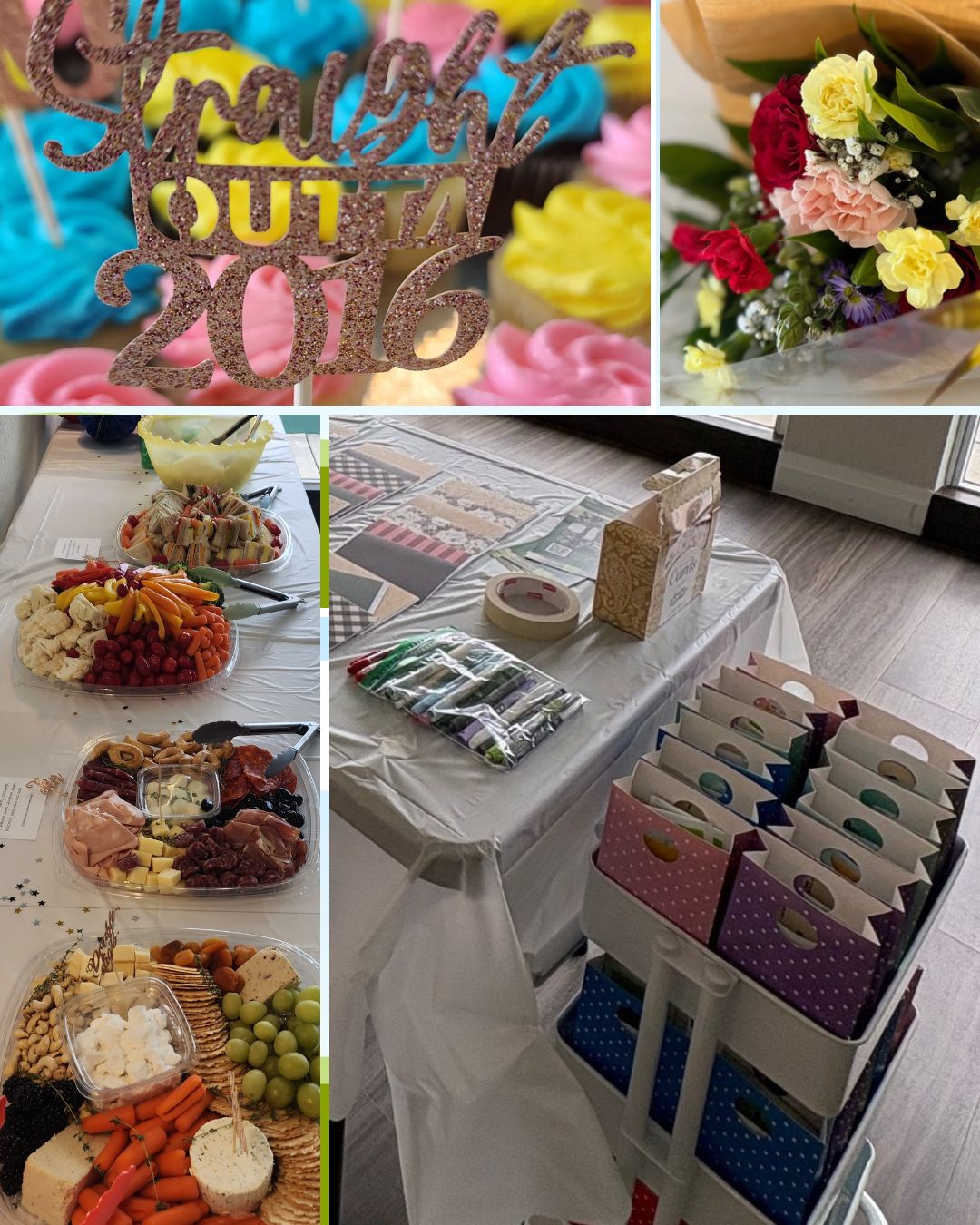
I invited everyone to write a letter to themselves, identifying some writing goals. I’ll mail the letters back to them in a year’s time. Because the process of writing can be overwhelming, setting goals and being part of a community can keep us motivated and focused during the long journey of writing and revising a novel-length manuscript.
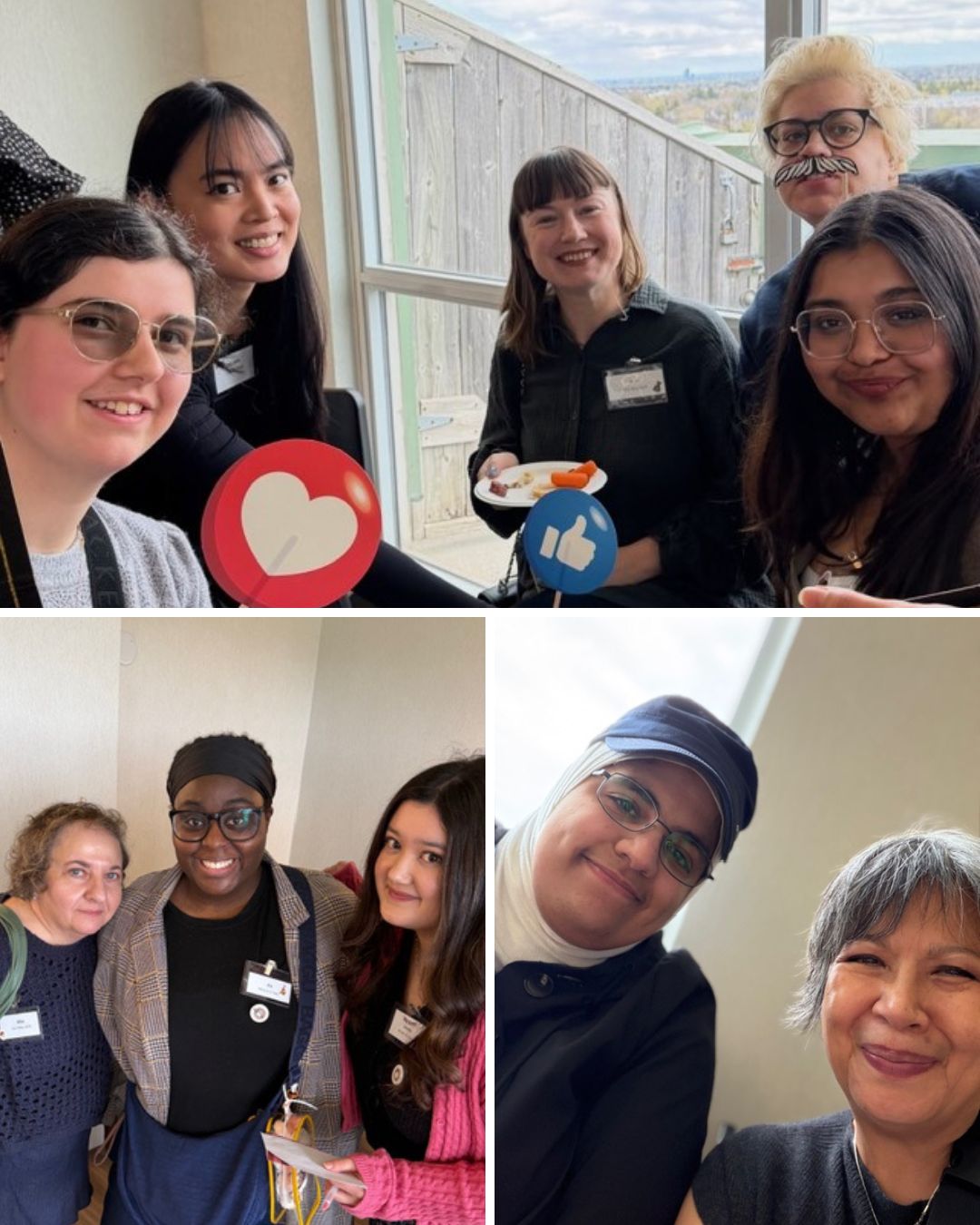
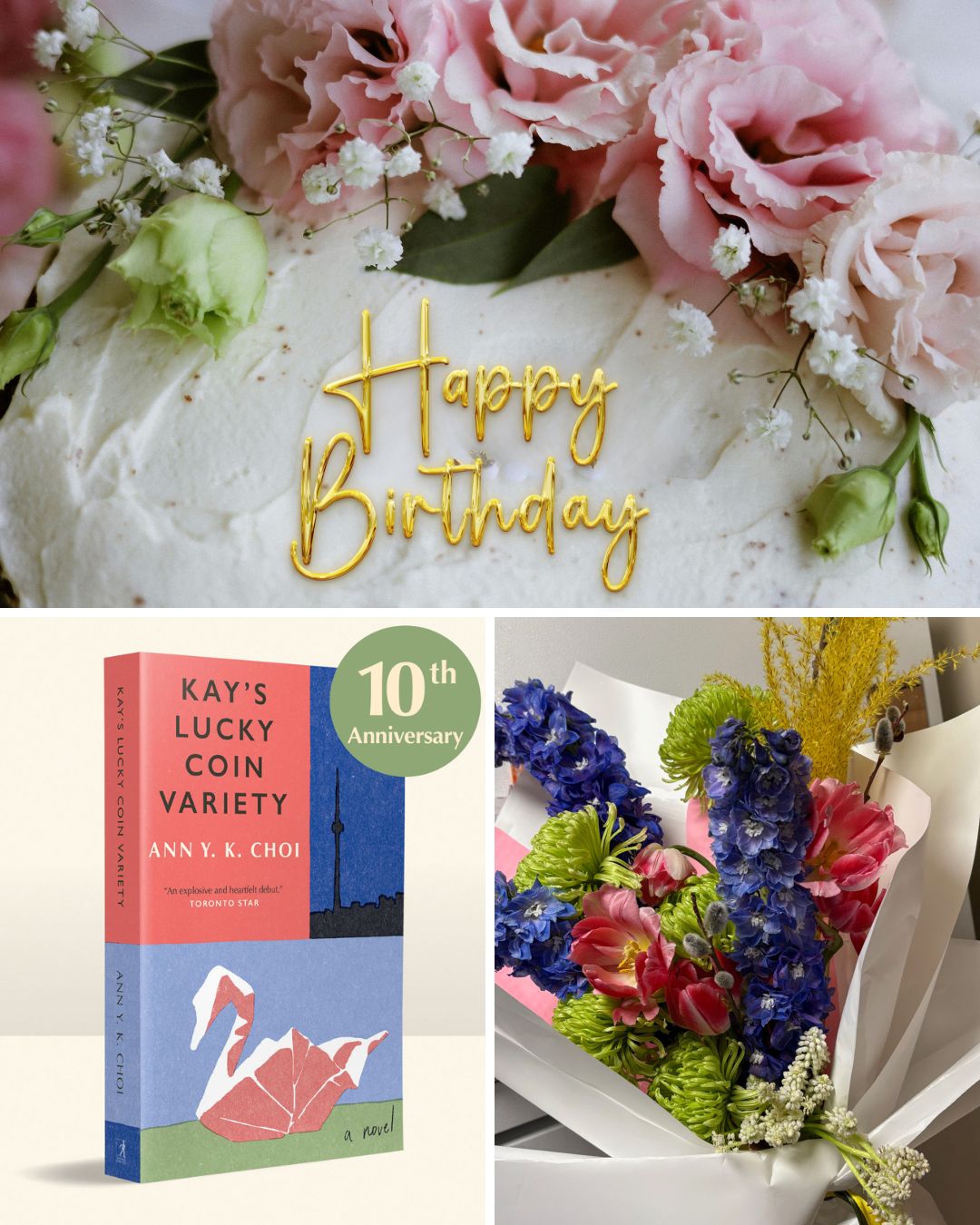
In the middle of celebrating everything, I turned 58! One of the loveliest gifts was this beautiful bouquet of flowers that matched the colour design of Kay’s new cover. Thanks Raveena!
Special thanks to Grace and Claire for the photos xoxo
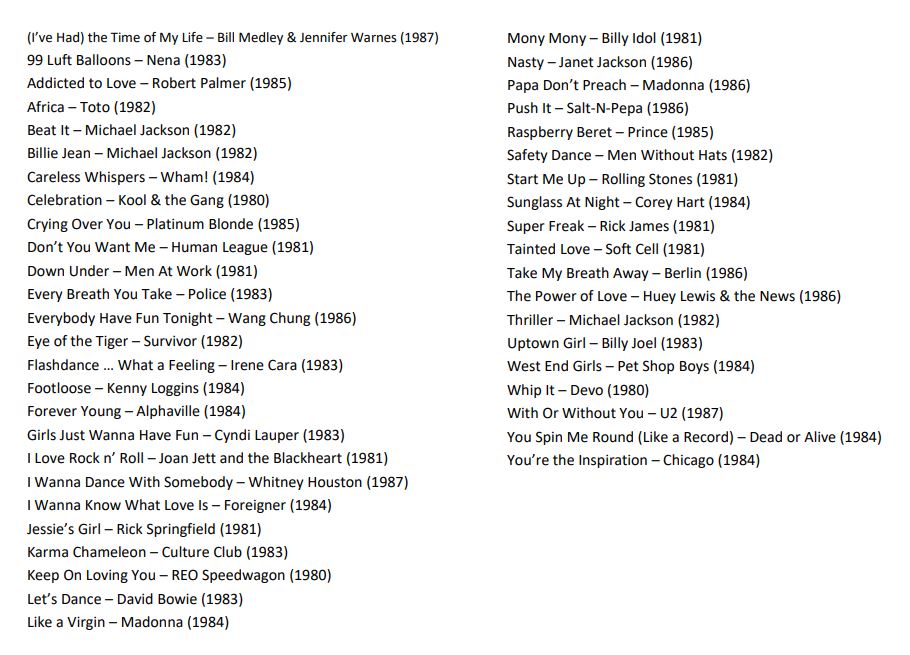
The prom scene from Kay’s Lucky Coin Variety, which takes place in June 1988, consists of mainly 80s hits.
Mary’s Prom Playlist
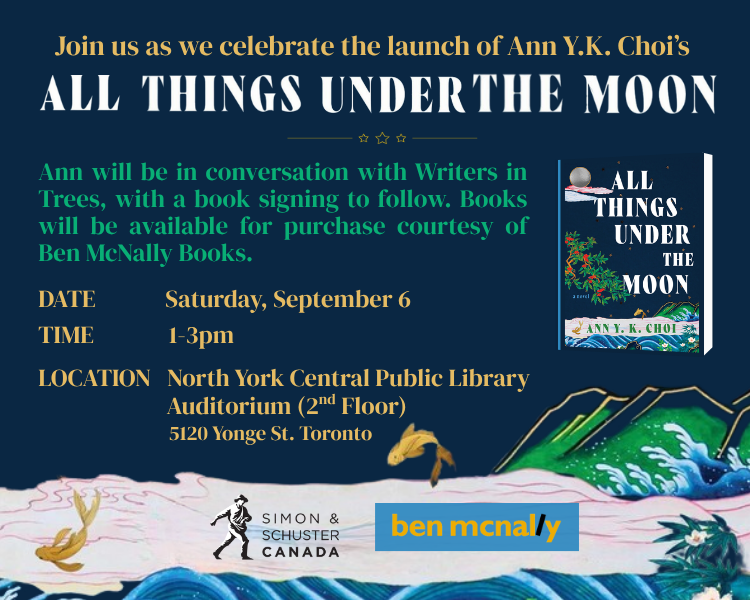
All Things Under the Moon Book Launch
Posted on October 3, 2025
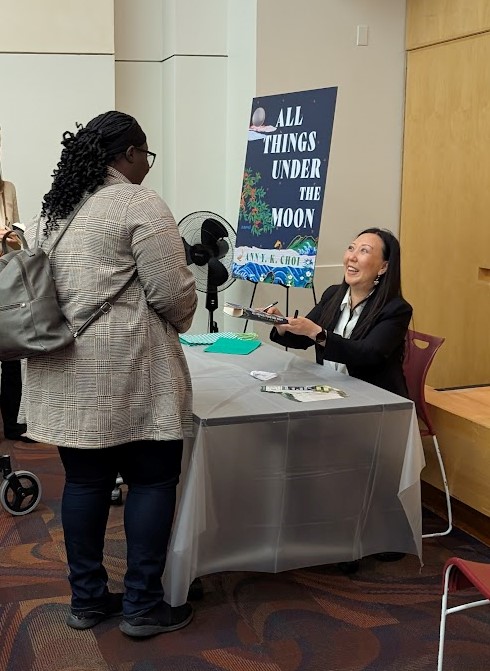
After twelve long years, my second novel, All Things Under the Moon, was released on Sept 2, 2025.
I chose to have the book launch at my local branch of the Toronto Public Library. For writers like myself, libraries can be an essential part of our writing life.
Not only does the library offer tons of research options – everything from books, journals, and access to databases – there’s just something about the vibe. People are studying, working, or simply relaxing with a good read and hanging out. Plus, many branches have spaces for community events, like book launches.
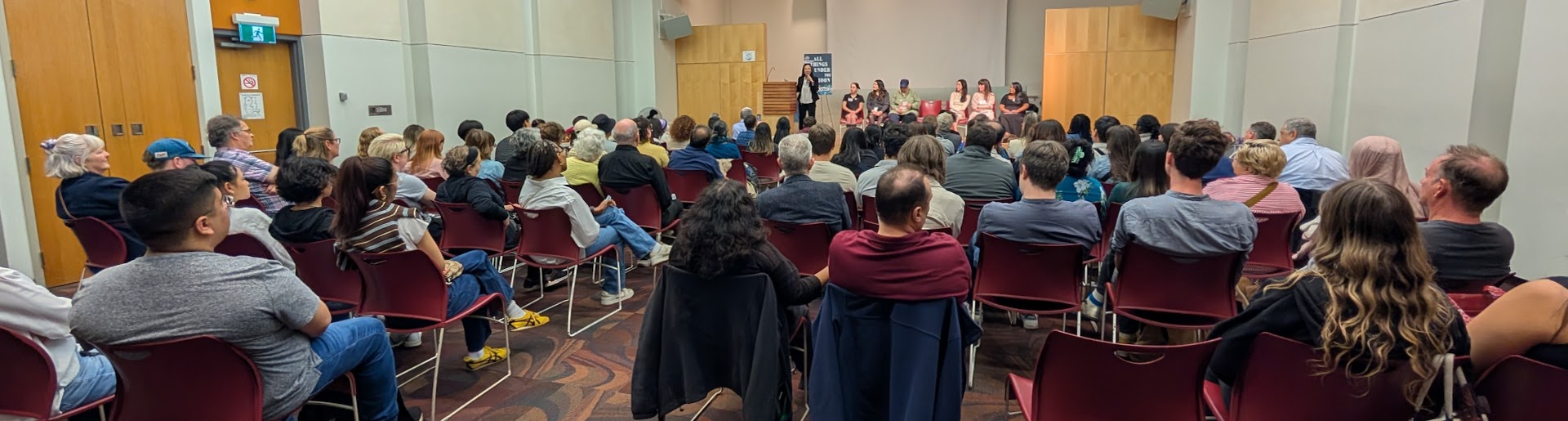
One of the highlights for me was sharing the stage with some members of a writing group that I mentor. Writers In Trees, created in 2022, is made up of emerging writers and editors. In January 2025, the group published their first anthology, Forest Floor.
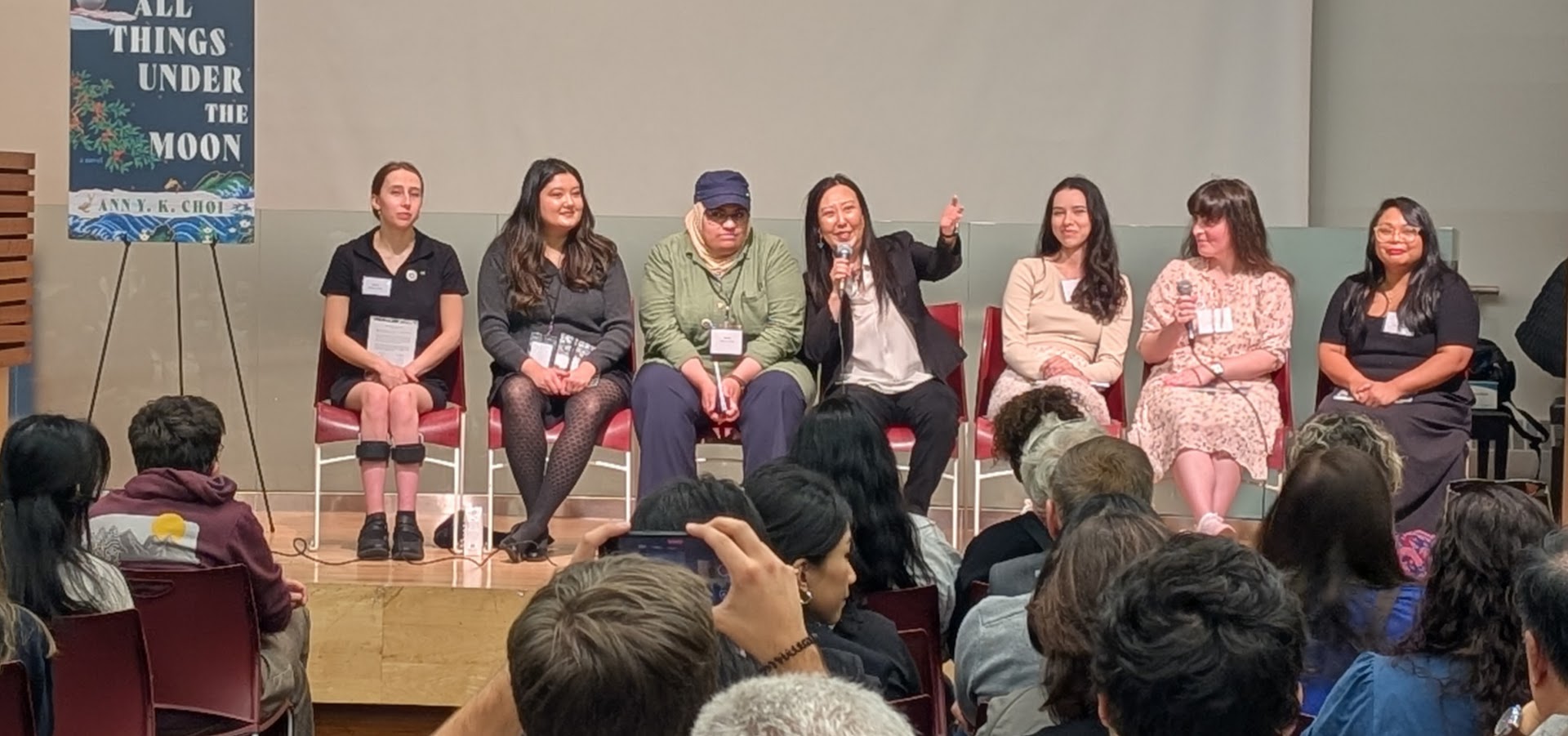
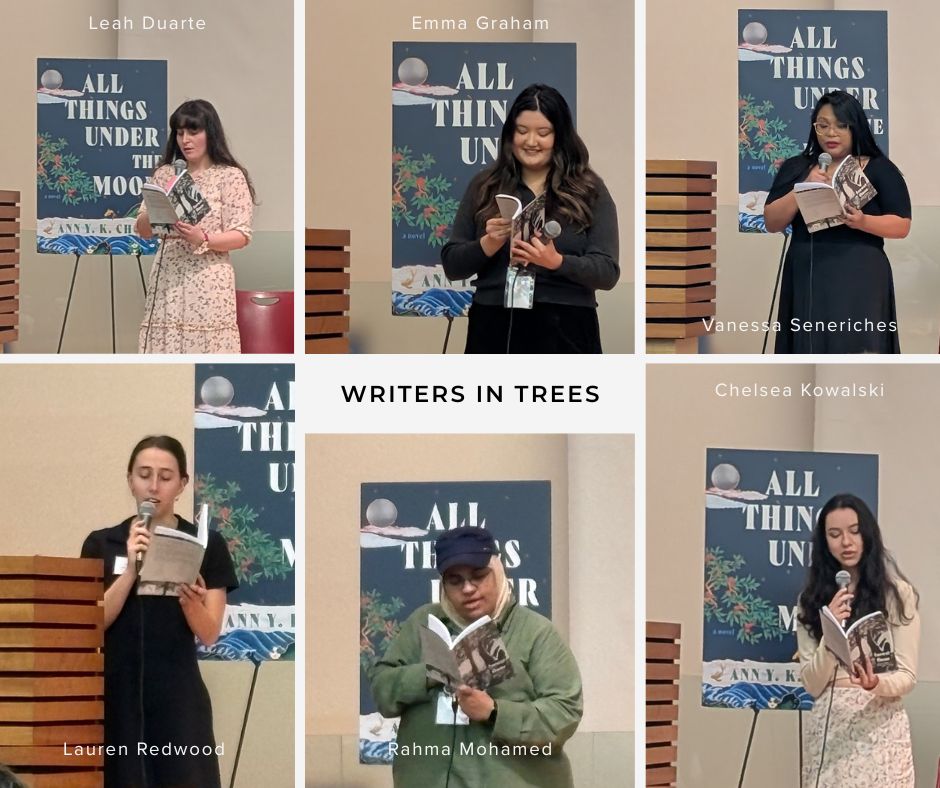
For some of the members, this was their first time reading and speaking in public. Forest Floor is available for for free on the Writers In Trees website.
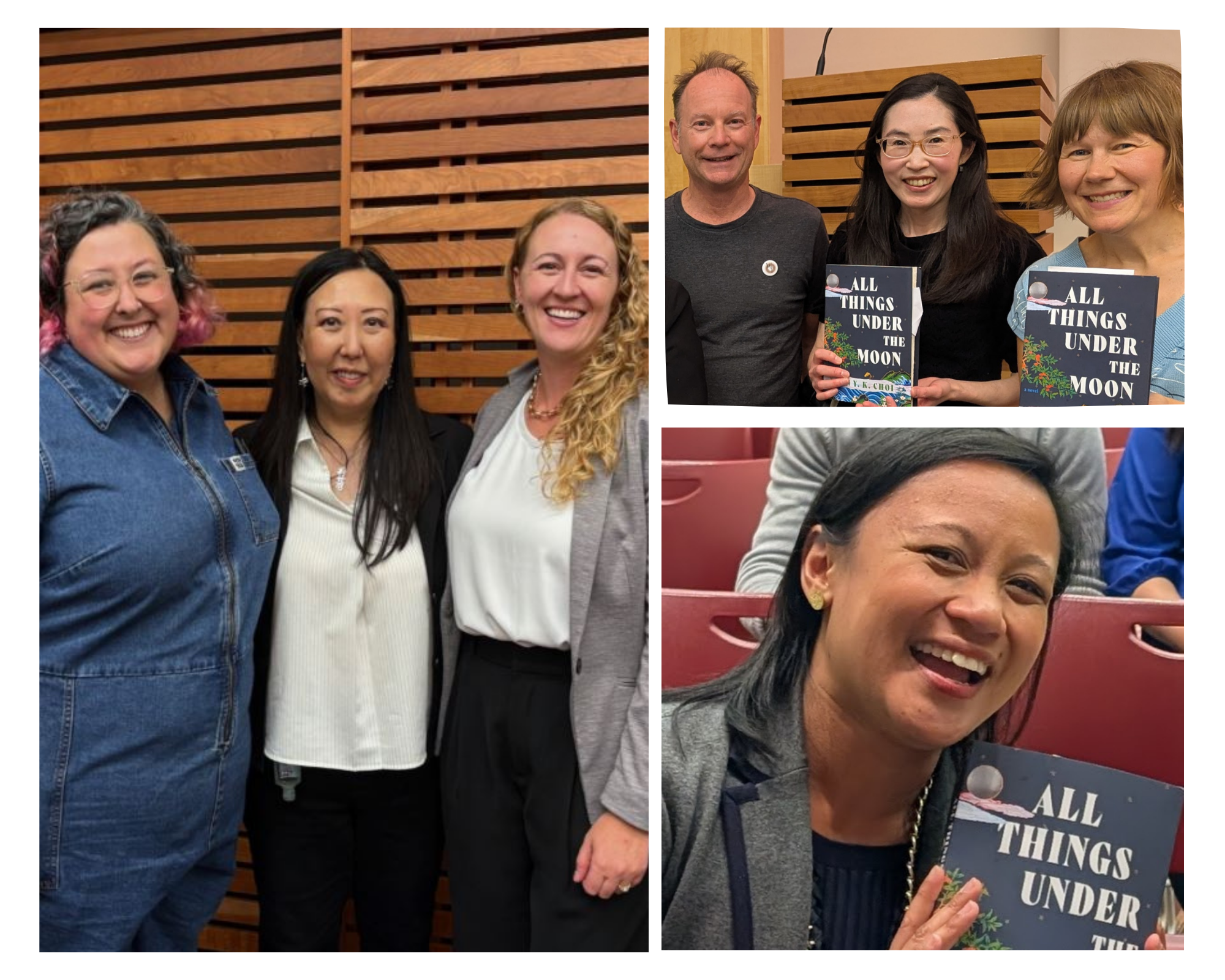
Me with my wonderful publicist, Cayley Brightside, and awesome editor, Brittany Lavery, both from Simon & Schuster Canada. Rebecca Snoddon, also from S&S Canada, was there. I was thrilled to see author friends. Dennis Bock (top right photo) was my novel writing instructor back in 2010! Next to him are Leslie Shimotakahara and Jessica Westhead. Jennilee Austria-Bonifacio (bottom right photo) and Mai Nguyen also came out, which meant a lot.
So many turned out for the event – from friends and family to readers I had not met before. For me, the moment marked an important professional and personal accomplishment. I was moved to know everyone was there to celebrate with me.
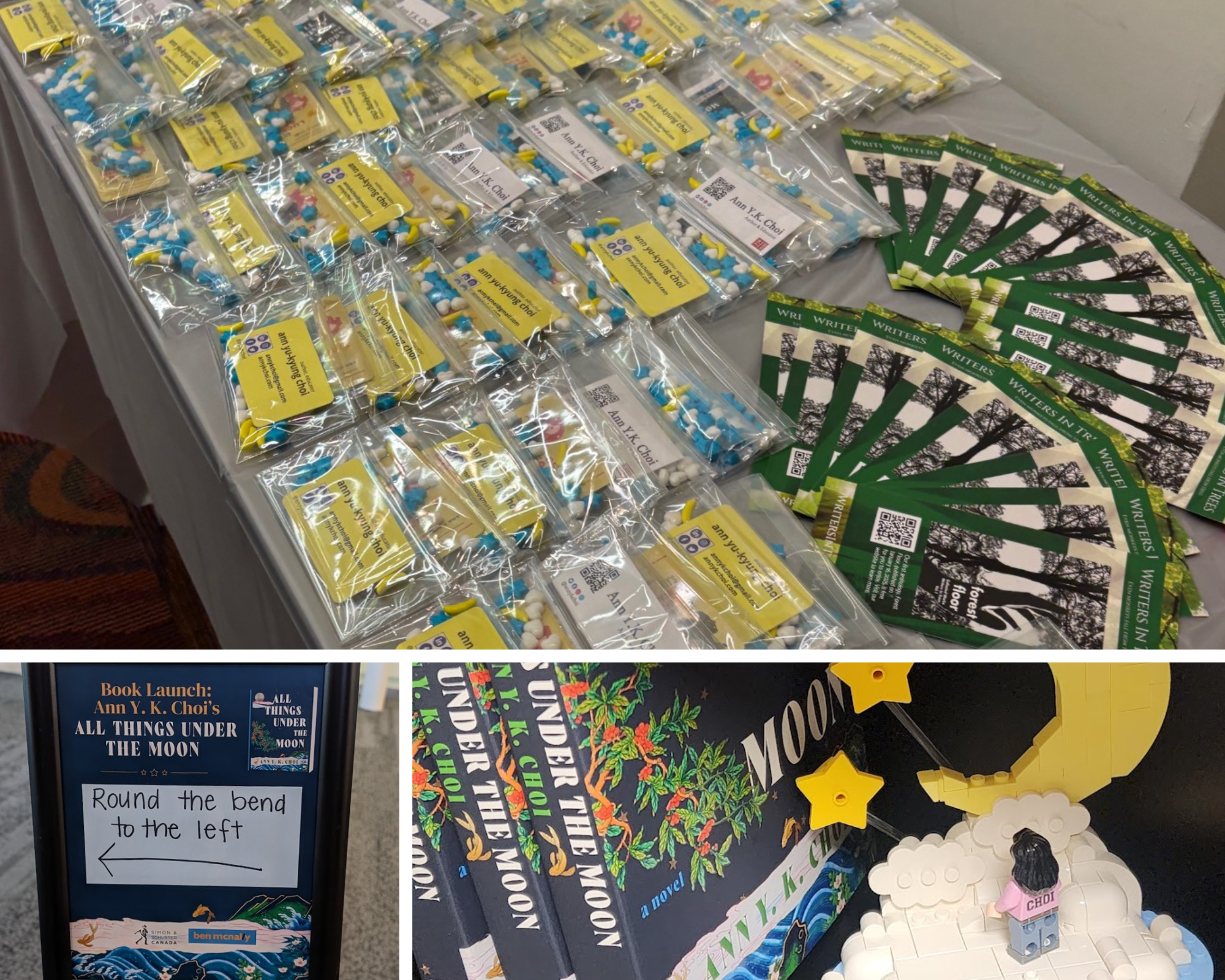
My daughter made little giveaways filled with star and moon-shaped candies. I’ll end by thanking her for everything she continues to do to support my writing life. It’s no small task as the opening paragraphs from Jamie Portman’s article reveal below.

Read the article, “A Story of Survival,” by Jamie Portman, published in:
- The Charlottetown Guardian
- Calgary Herald
- Cape Breton Post
- The Chronical Herald (Metro)
- Edmonton Journal
- Montreal Gazette
- The National Post
- The Ottawa Citizen
- The Province (BC)
- The Recorder & Times Brockville
- Saskatoon StarPhoenix
- Vancouver Sun
- Windsor Star
Eden Mills Writers’ Festival 2024
Posted on September 15, 2024
Eden Mills Writers’ Festival has become one of my favourite lit festivals! It’s outdoors, and although the weather forecast predicted rain and even thunderstorms on the main event day, Sept 8, 2024, we had sunshine!
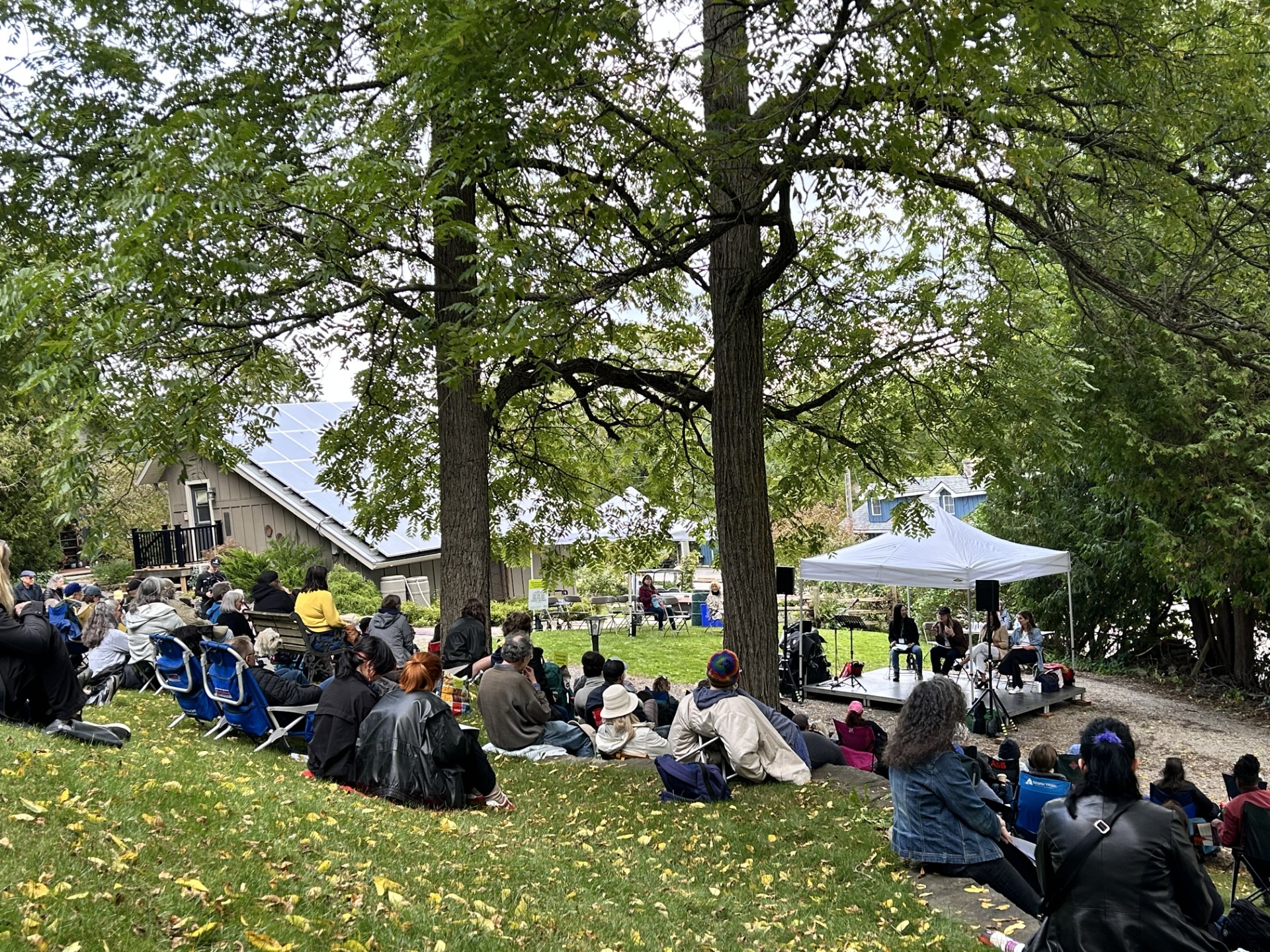
Spotlighting the authors & their books
The first event I moderated was called “It’s A Little Complicated: When life serves lemons, it’s a recipe for humour, whimsy, and delight!”
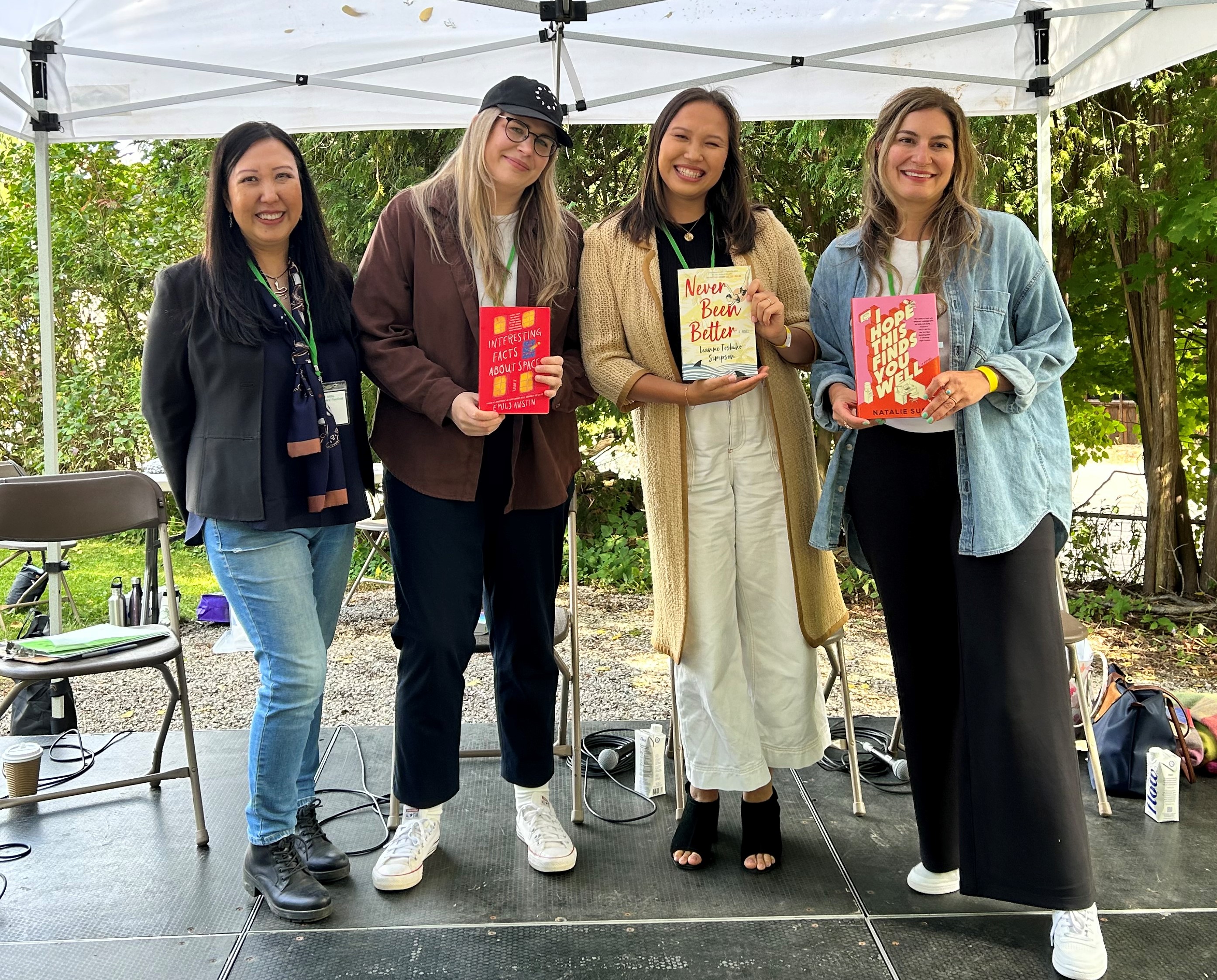
The panel included: Emily Austin (Interesting Facts About Space), Leanne Toshiko Simpson (Never Been Better), Natalie Sue (I Hope This Finds You Well).
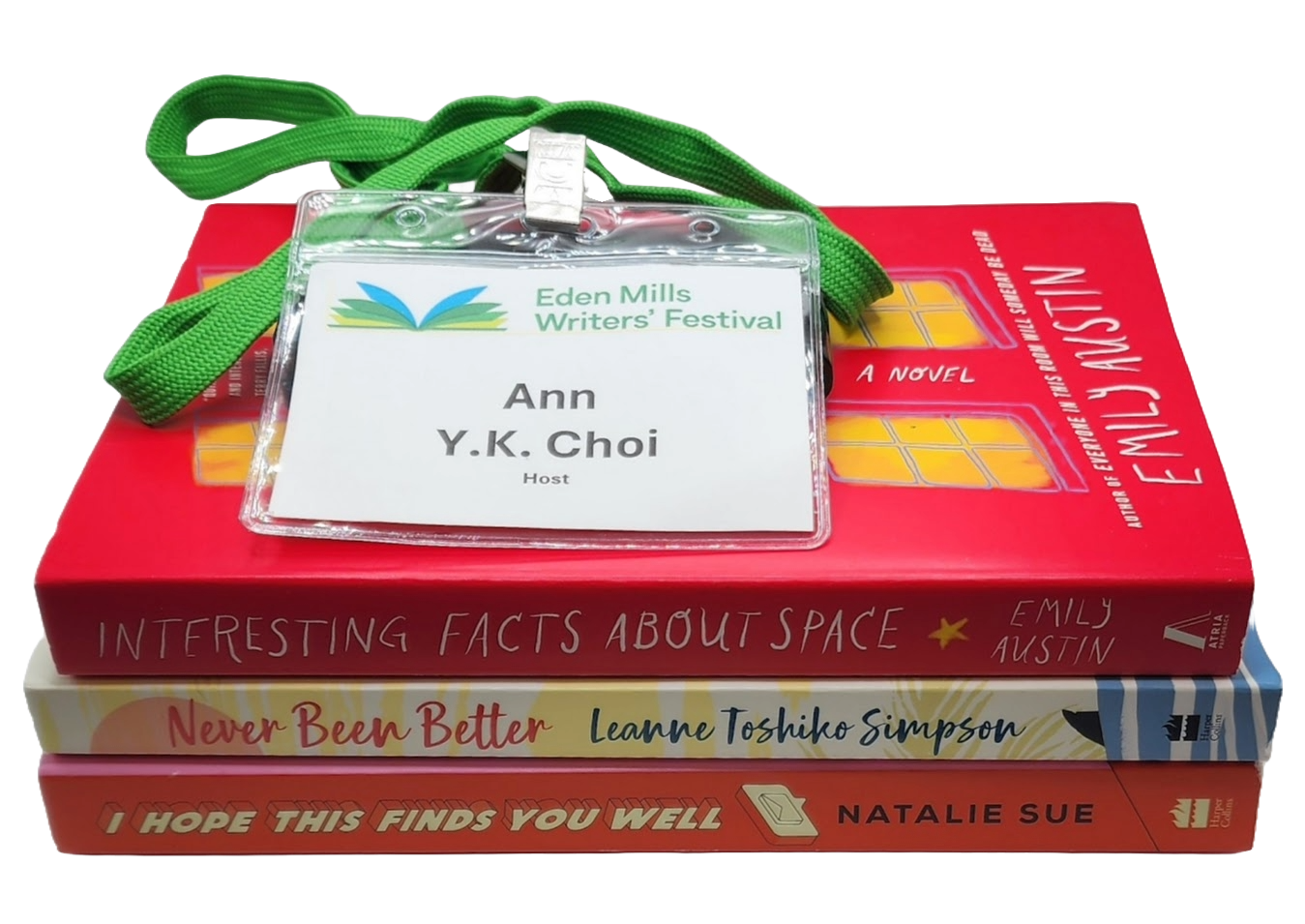
What I really appreciated about this panel was their brilliant use of humour to address serious and sensitive topics that include domestic violence, mental health, family expectations, identity, and complicated friendships and relationships with co-workers.
The second event I moderated was called “The Way Forward”. The three historical novels featured young protagonists struggling against extraordinary challenges in Canada during the first half of the 1900s.
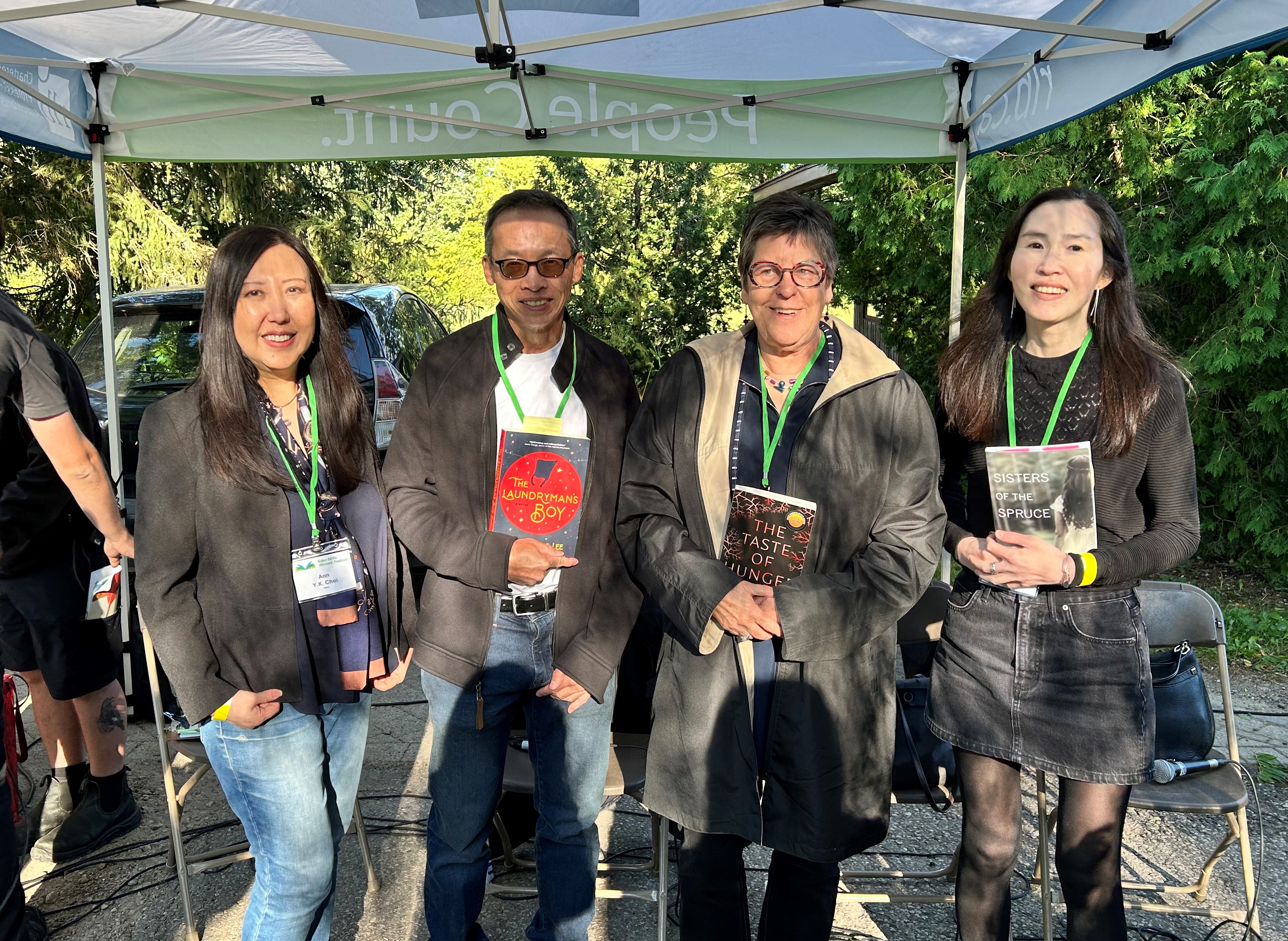
The panel included: Edward Y.C. Lee (The Laundryman’s Boy), Barbara Joan Scott (The Taste of Hunger), Leslie Shimotakahara (Sisters of the Spruce).
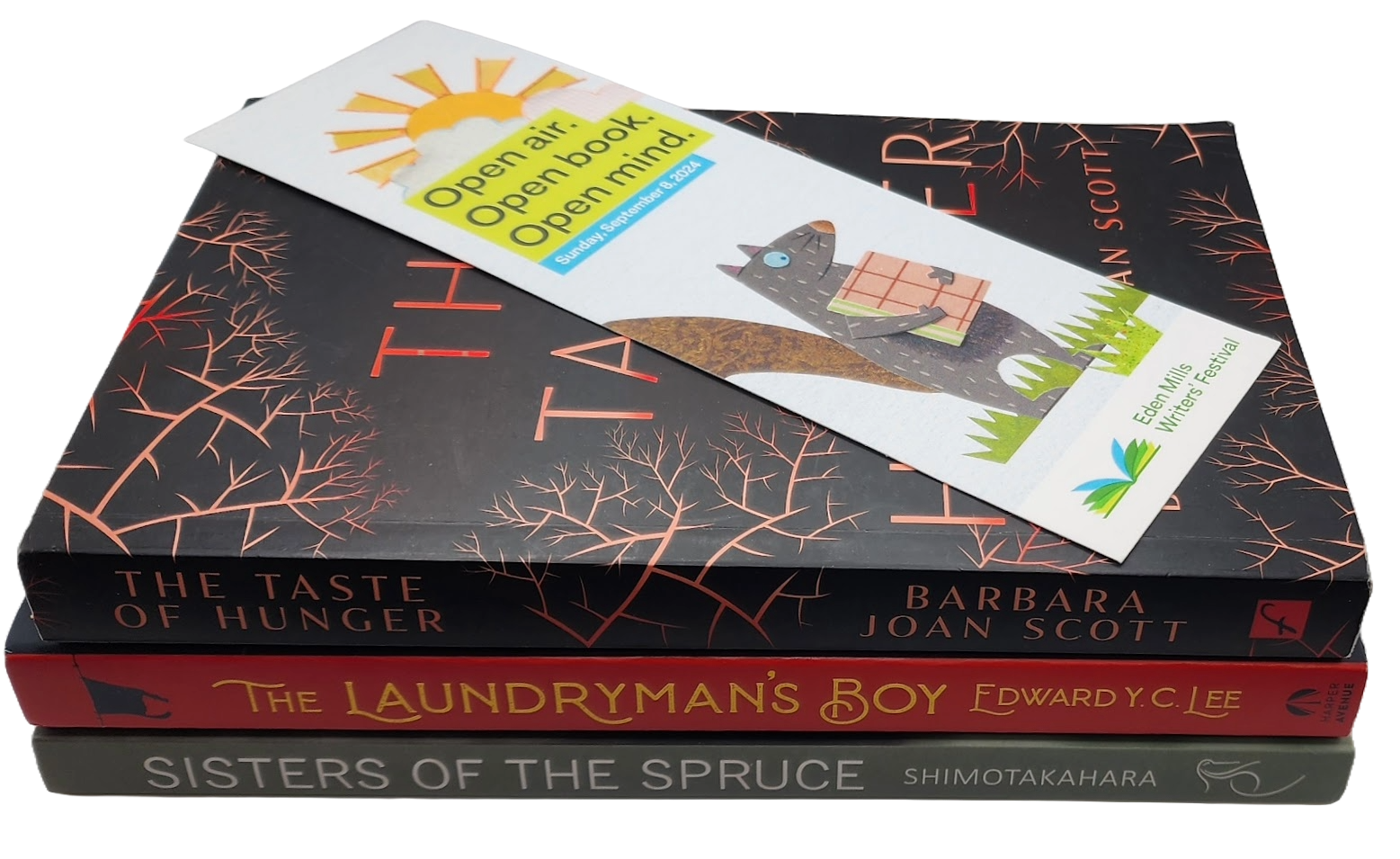
I’ve always thought historical fiction was a wonderful way to learn about history. Unlike textbooks, the compelling narratives, plotlines, and engaging characters make historical fiction a pleasurable reading experience, and offer a deeper understanding of important events and periods in time. I highly recommend these novels.
Author signings

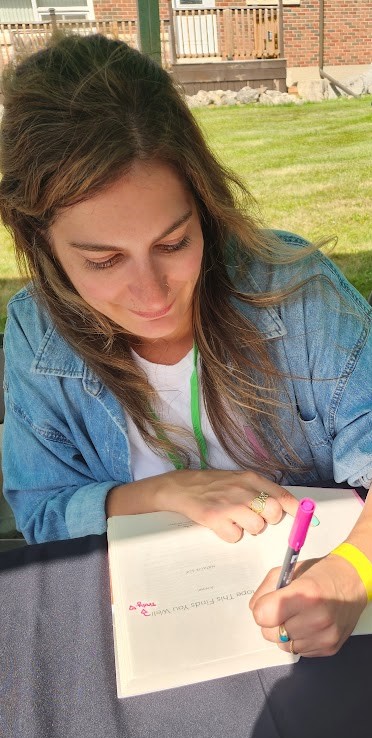
This was Natalie Sue’s first literary festival! She’s signing my copy of I Hope This Finds You Well above. The official bookseller for the festival was The Bookshelf.
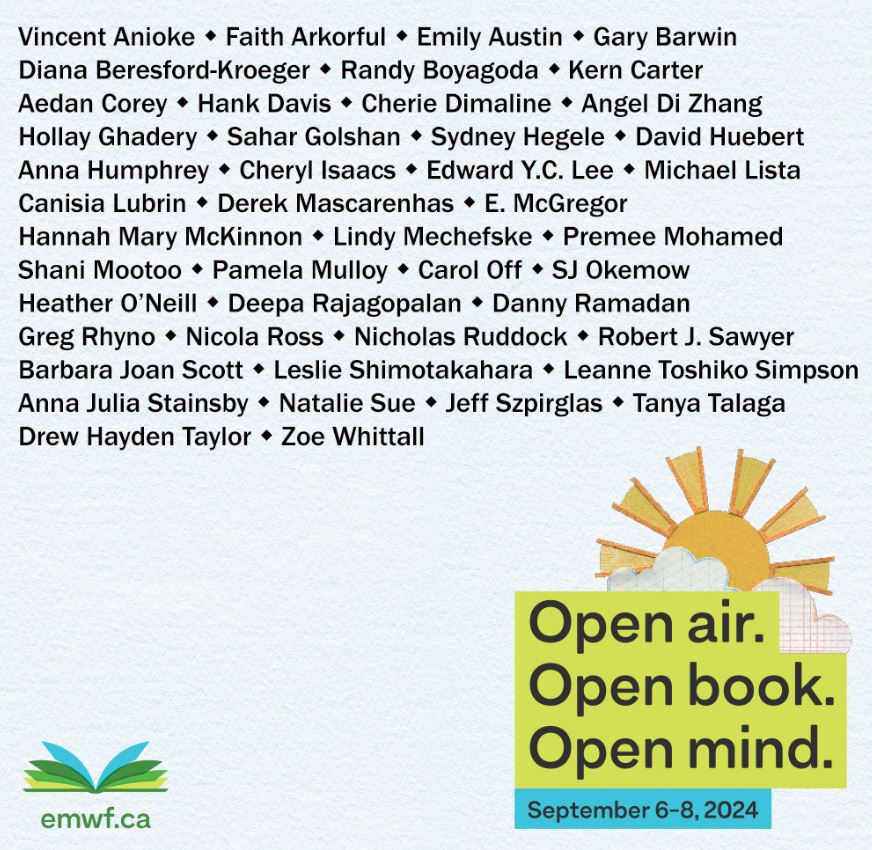
Image source: x.com/emwf. Learn more about the 2024 featured authors.
Catching up with other authors
One of the things I love most about this festival is its commitment to spotlighting debut novels! This includes four novels featured in the panels I moderated: Edward Y.C Lee’s The Laundryman’s Boy, Barbara Joan Scott’s The Taste of Hunger, Leanne Toshiko Simpson’s Never Been Better, and Natalie Sue’s I Hope This Finds You Well. I also had the immense pleasure of moderating Natalie’s first literary festival event this year.
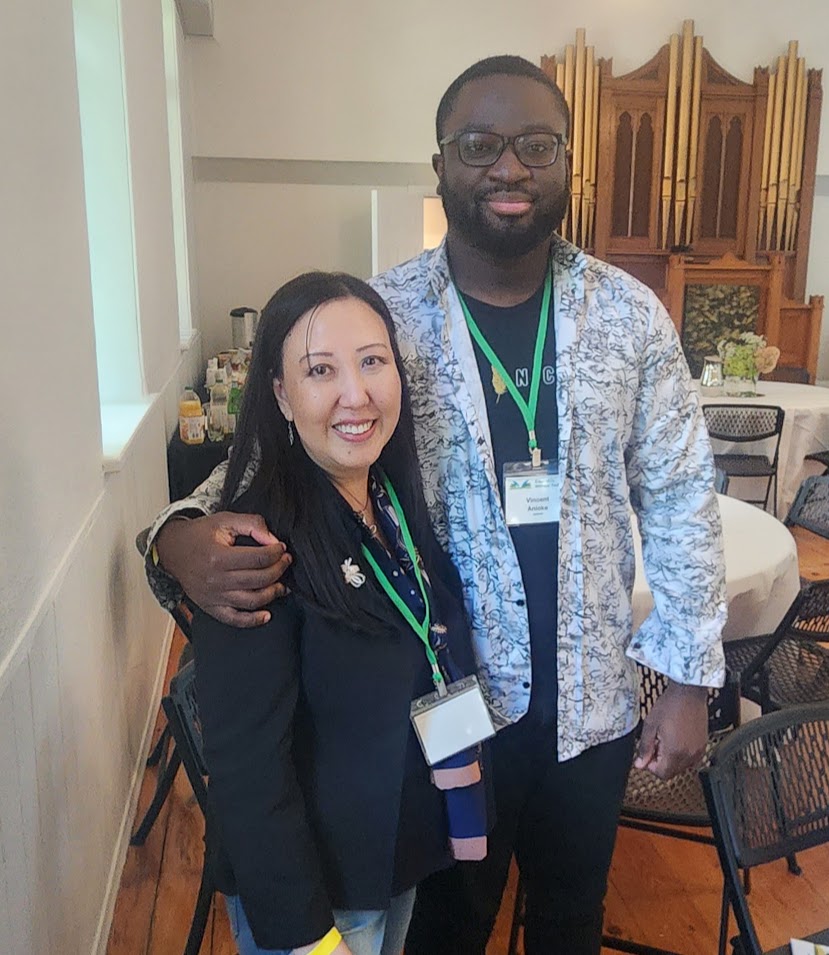
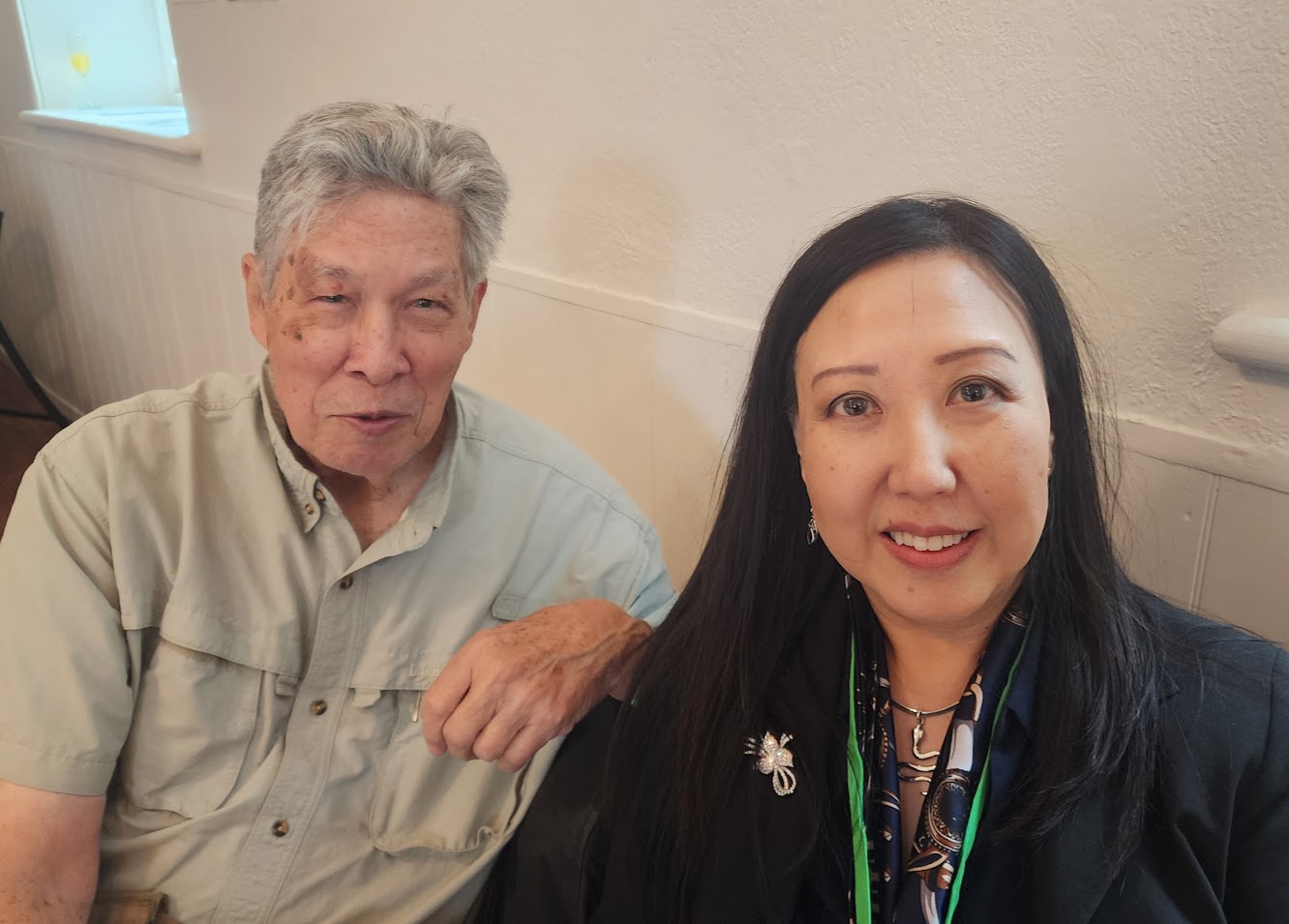
It was also wonderful to spend time in the author green room and catch up or meet with other authors. With Vincent Anioke and Thomas King.
For the kids
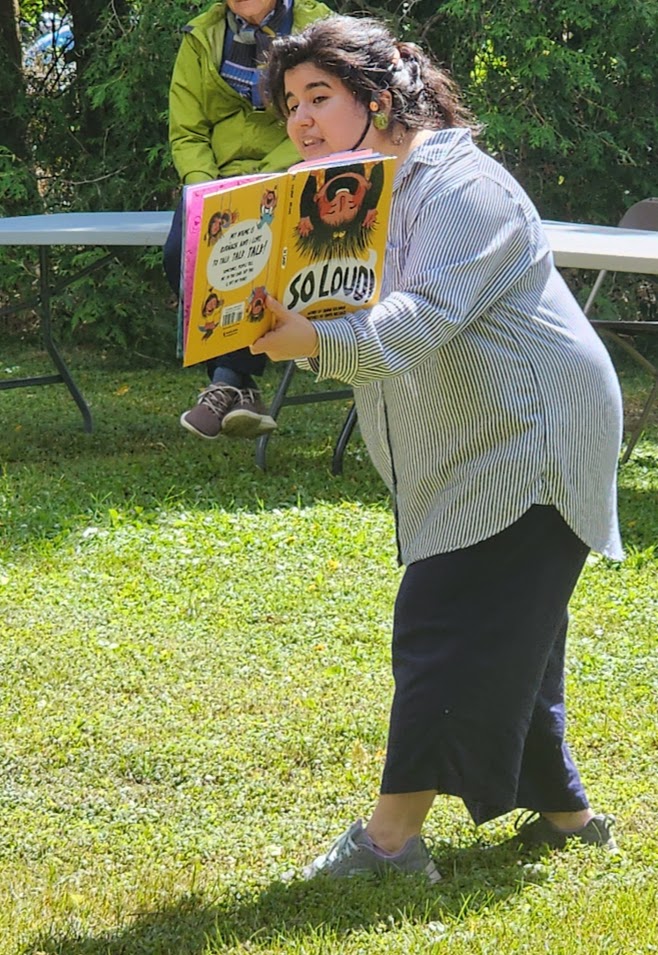

Author Sahar Golshan reading from her book, So Loud! in the Children’s Nook.
Publishers’ Way
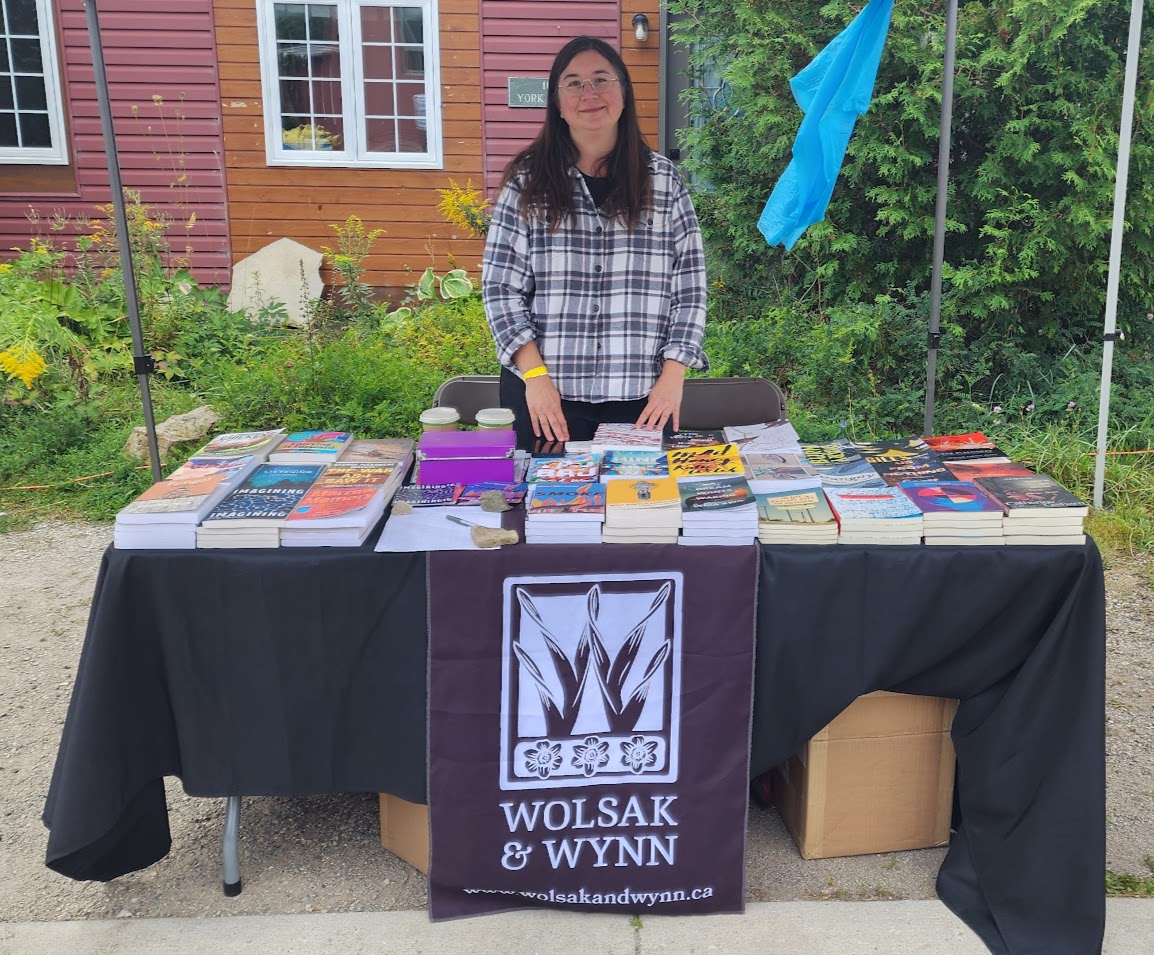
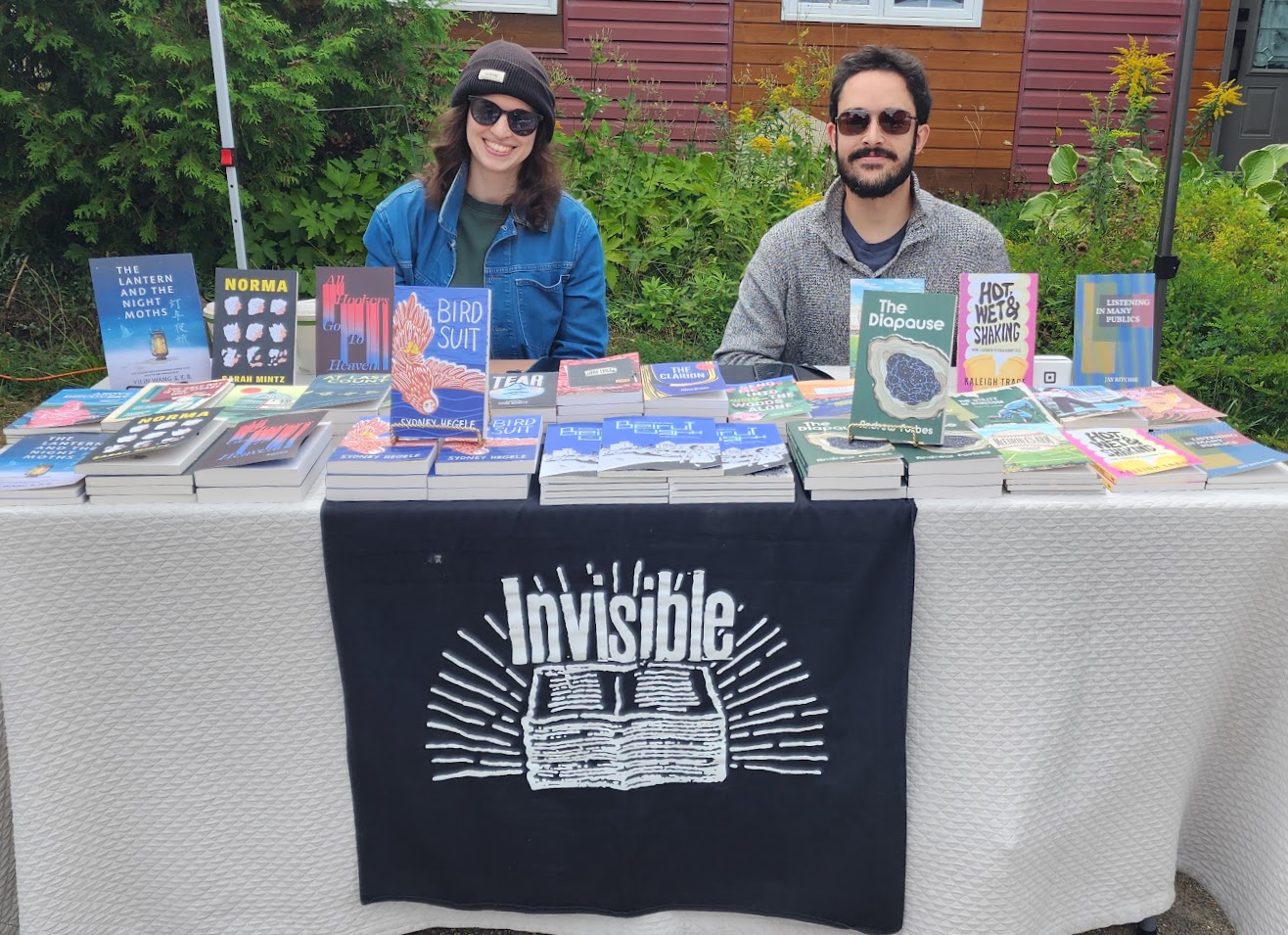

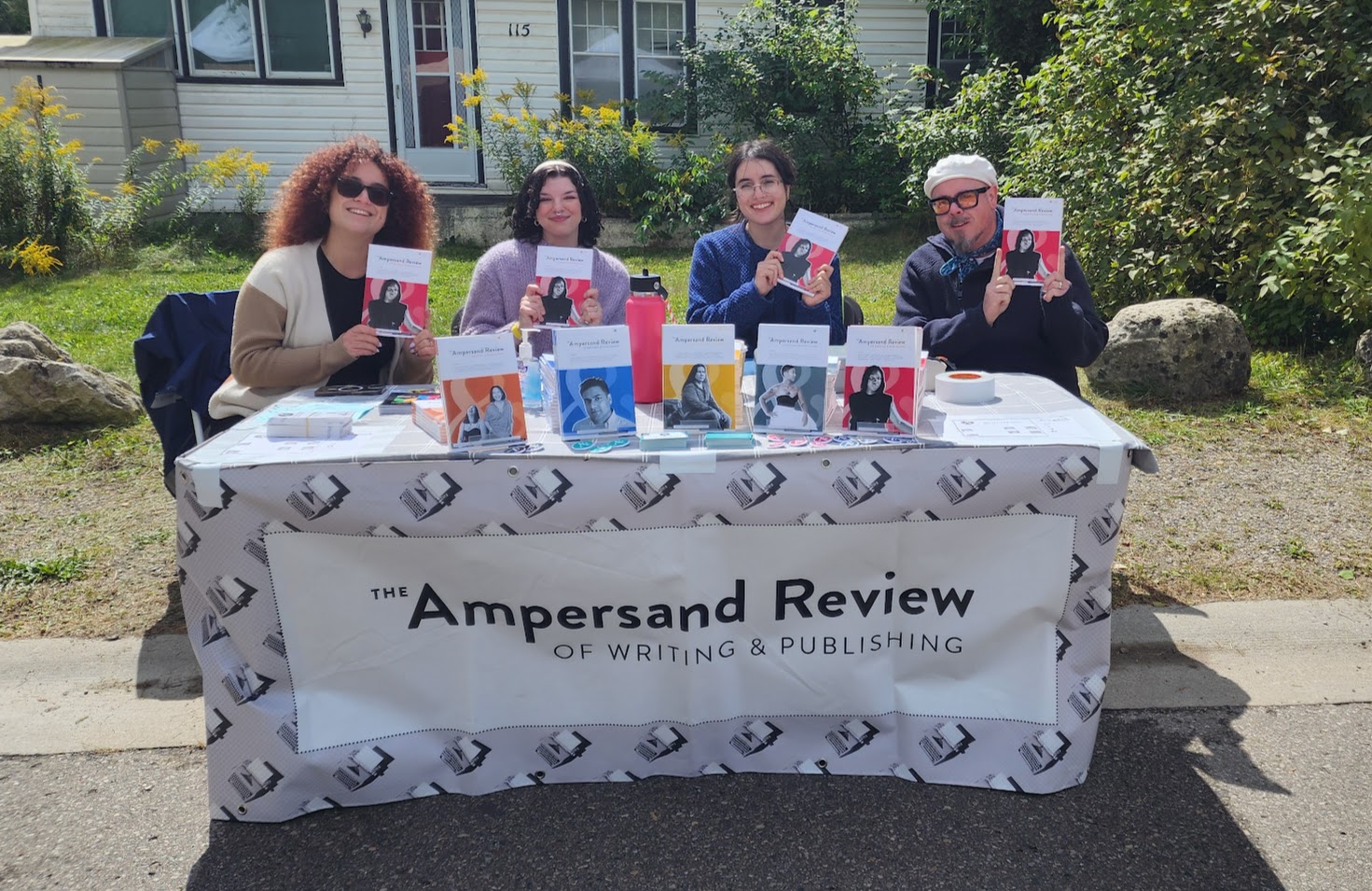
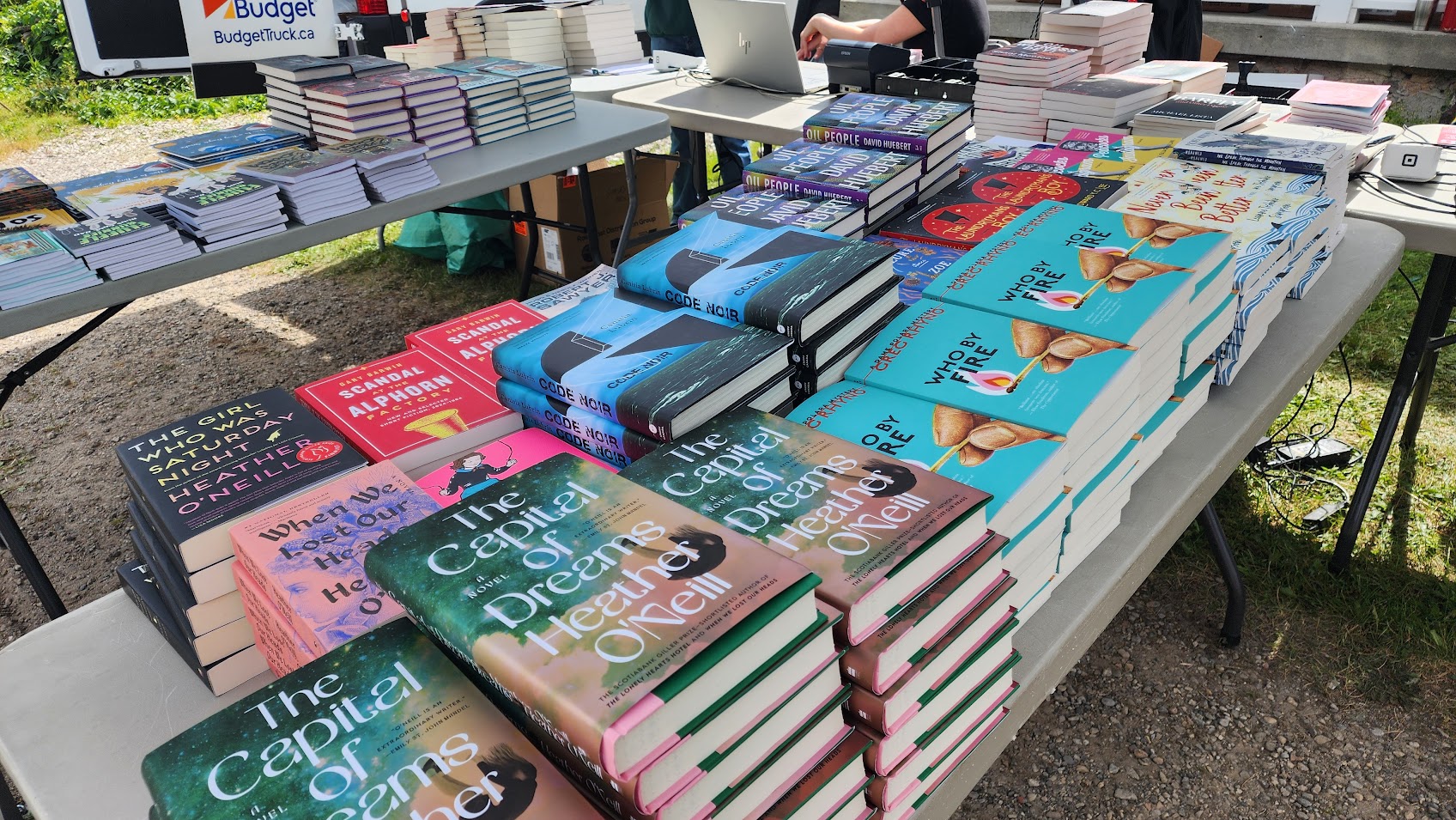
A dedicated part of the festival called Publishers’ Way featured publishers and other vendors.
Some Tips!
If you’re planning to attend next year’s festival, here are some tips to keep in mind:

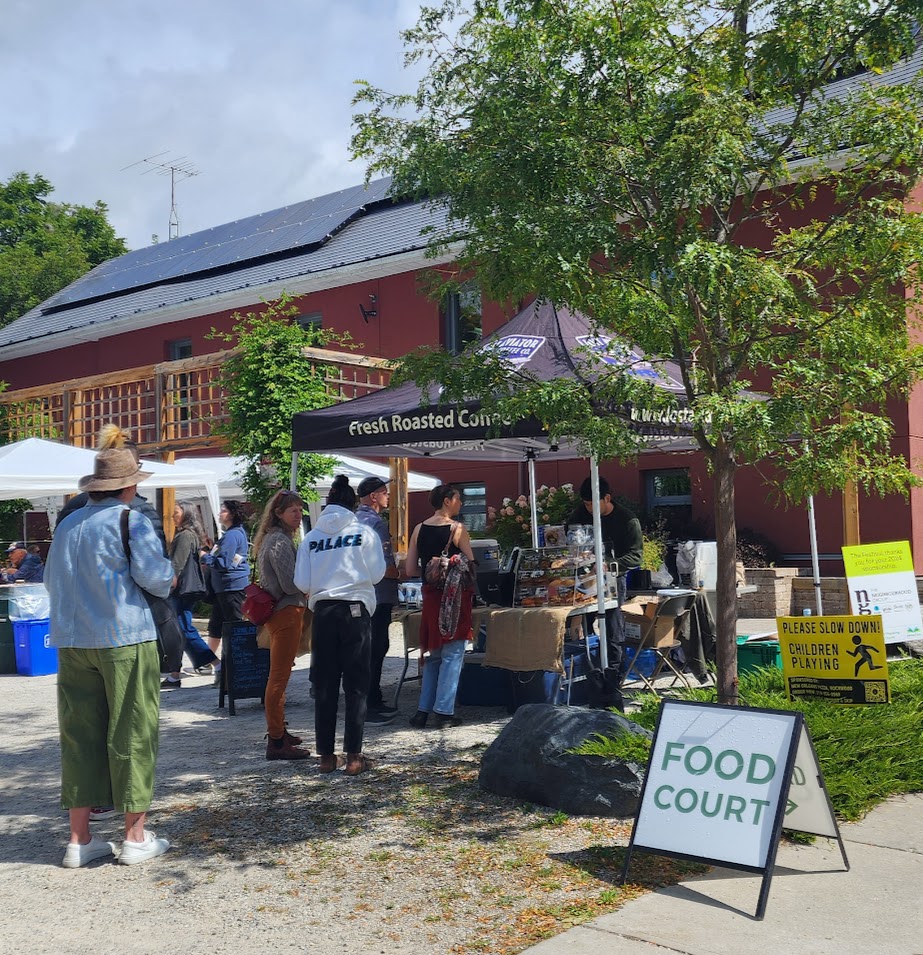
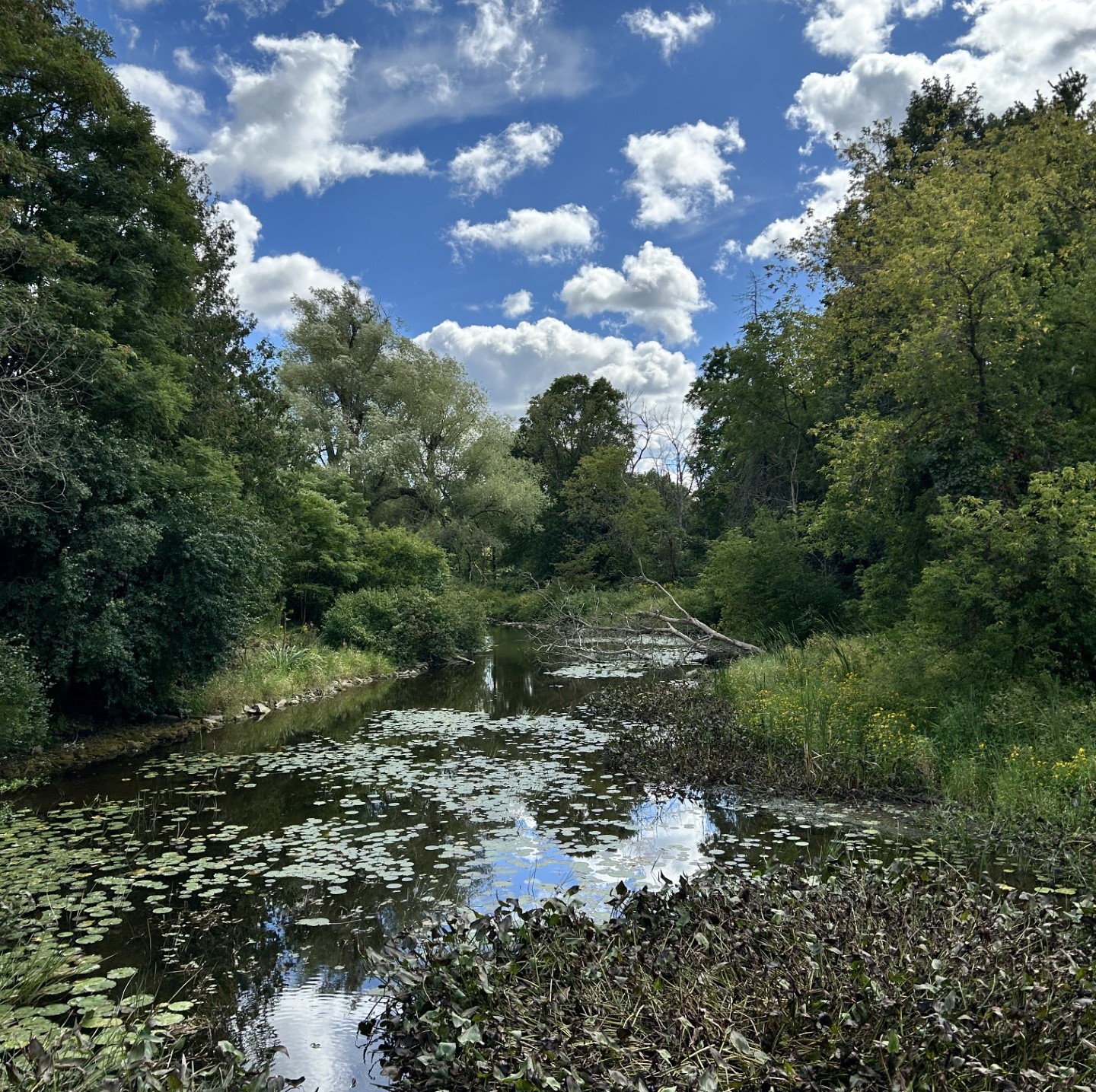
Dress in layers. The festival runs rain or shine. The winds can also get strong! Bring a jacket and sunglasses or an umbrella. There’s a small food court. See the list of options.
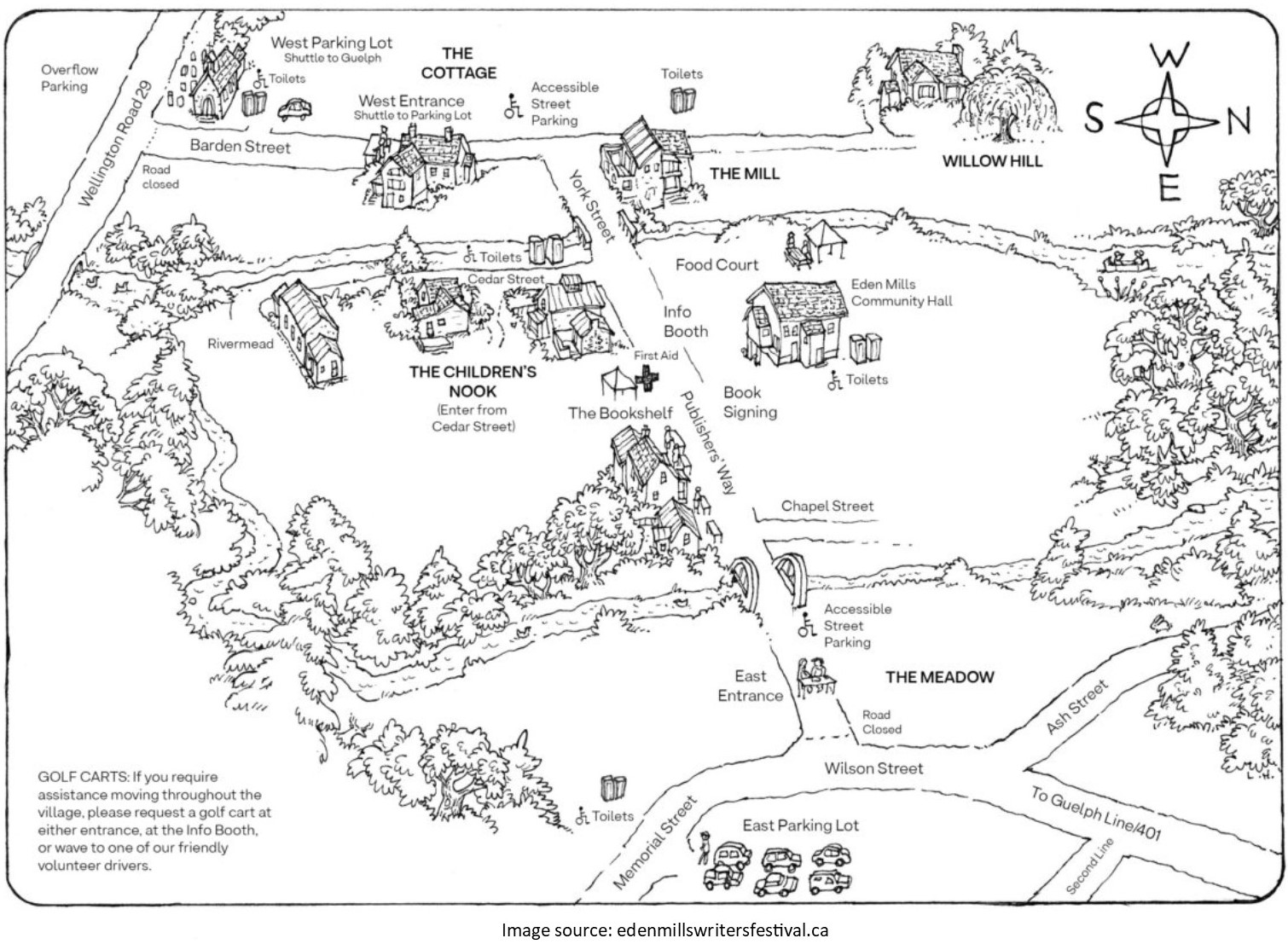
Wear comfortable shoes. From the parking lots a few blocks away to the five event locations spread throughout, you’ll be walking on gravel, dirt, grass, and paved roads, with some inclines in places. Accessible parking is available, as are accessible portable toilets. Volunteers in golf carts assist with travelling around the grounds for guests requiring accessibility accommodations.
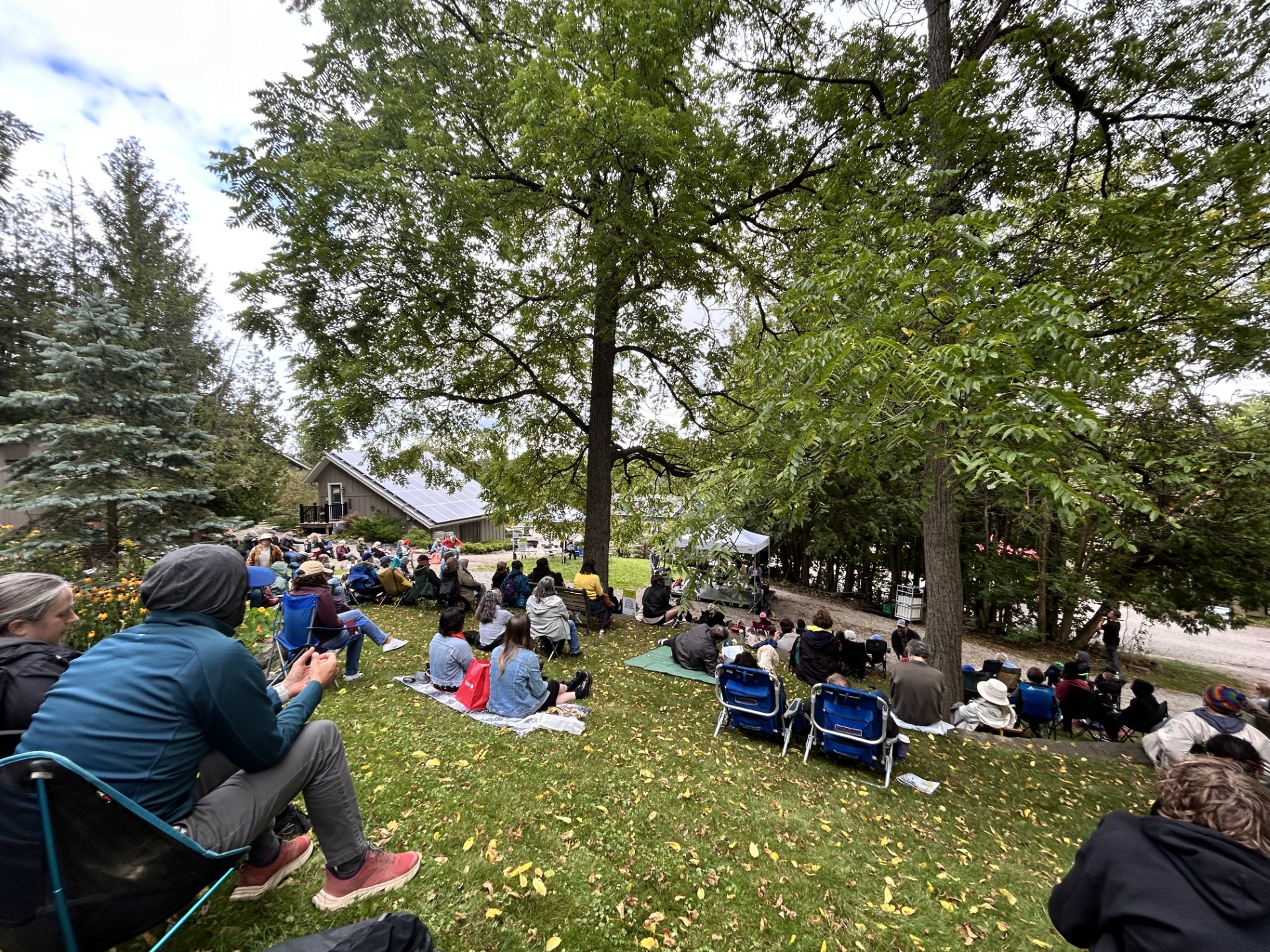
If the grounds are dry, a blanket is the easiest way to enjoy the events. Otherwise, a folding chair will add to your viewing pleasure. Water stations allow water bottles to be refilled easily.
Many of us could not get cell service! Bring cash if possible.
Say hello to authors and get your books signed. Many authors shared that they would love to visit your book clubs in-person or virtually. Get in touch with them by visiting their websites.
Visit Eden Mills! Founded in 1842, the village is by the beautiful Eramosa River. Eden Mills is located 12 km east of Guelph and 90 km west of Toronto. For the festival, parking is available at 136 Barden Street and 19 Memorial Street.
Finally, a huge thanks to the staff and volunteers who make this festival possible! Eden Mills also has year-round online events. Check out their website to learn more.
Thank you and see you next year!
Celebrating 20 years of gritLIT!
Posted on April 28, 2024
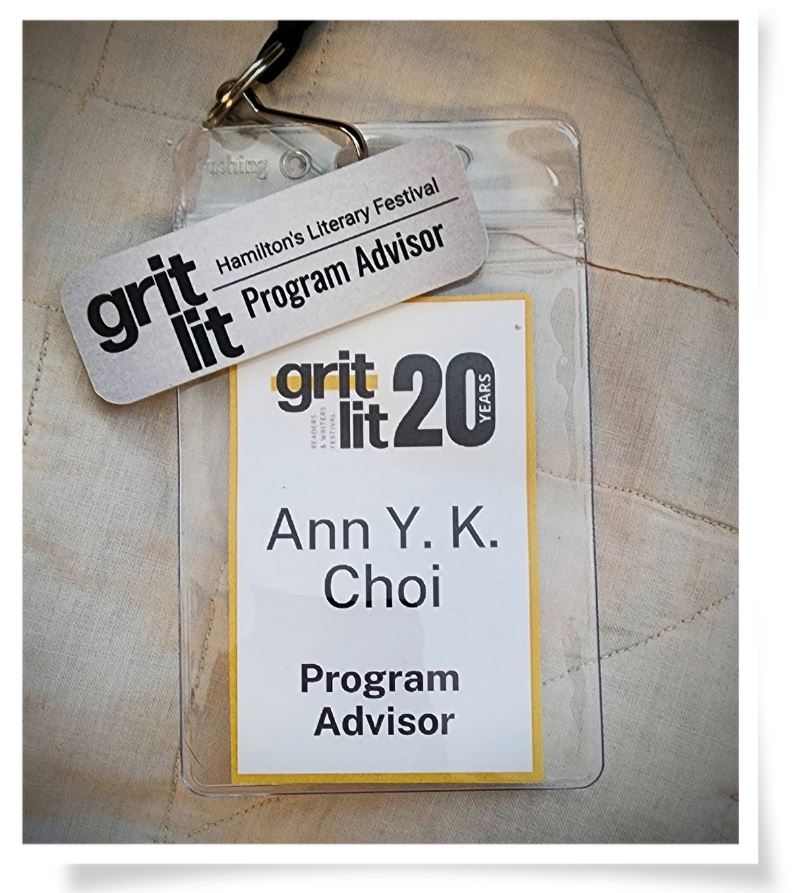
For 2o years, gritLIT has welcomed readers, authors, and publishing professionals to the City of Hamilton.
Established in 2004 by Hamilton author Krista Foss, it started as a small festival at the Staircase Theatre. Since then, the festival has grown and welcomed over 500 writers from across Canada, including hundreds of debut authors.
I’ve been happy to serve as a program advisor since 2018.
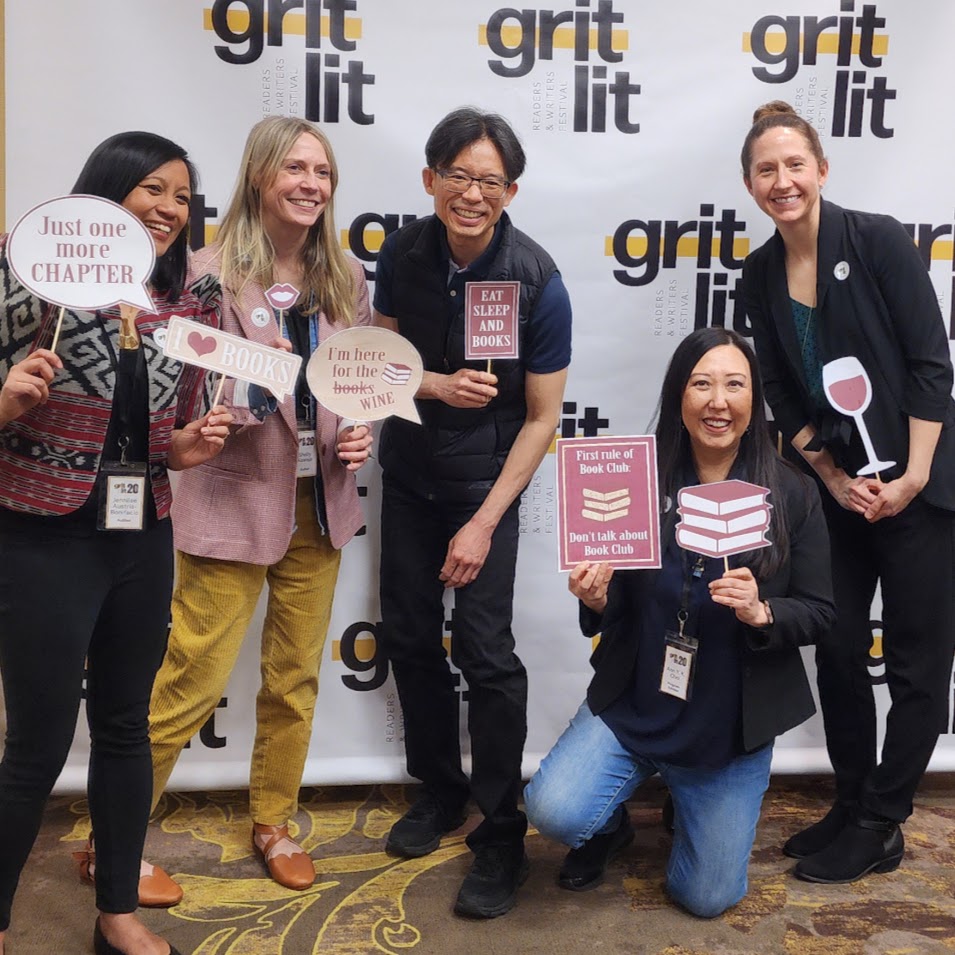
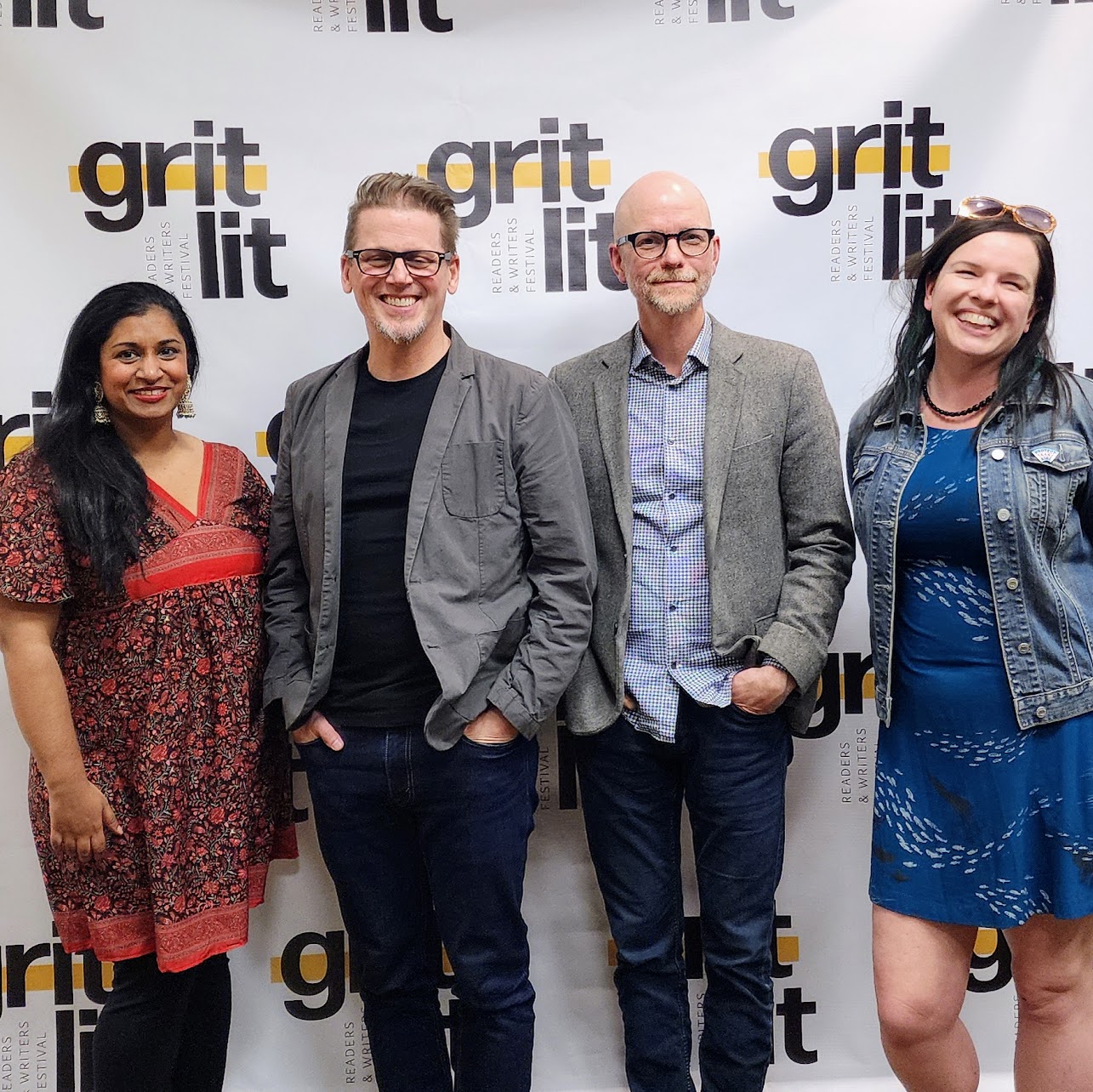
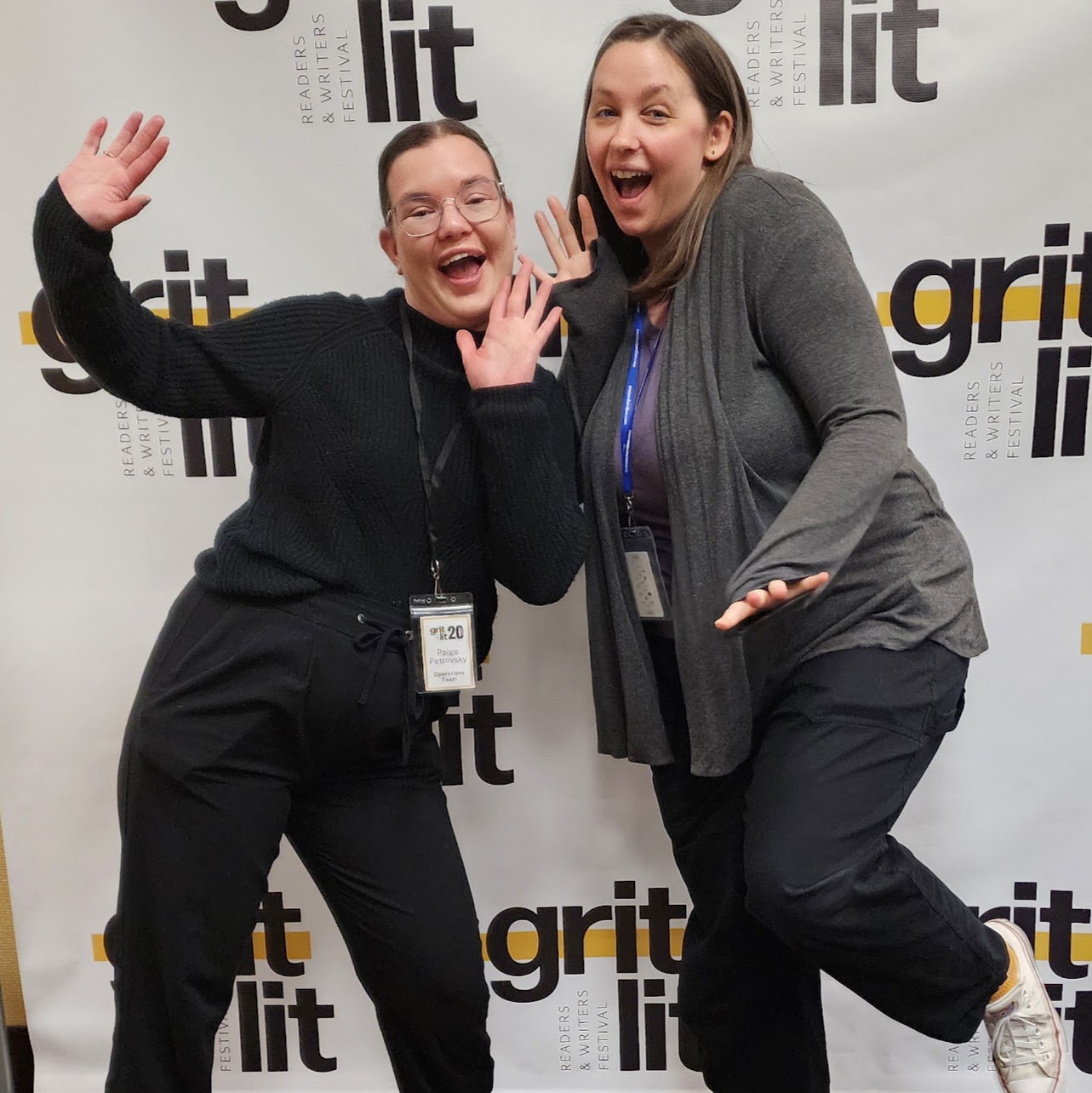
Lots of smiles! I was especially happy to introduce aspiring writers with some of their favourite authors who attended this year’s festival.
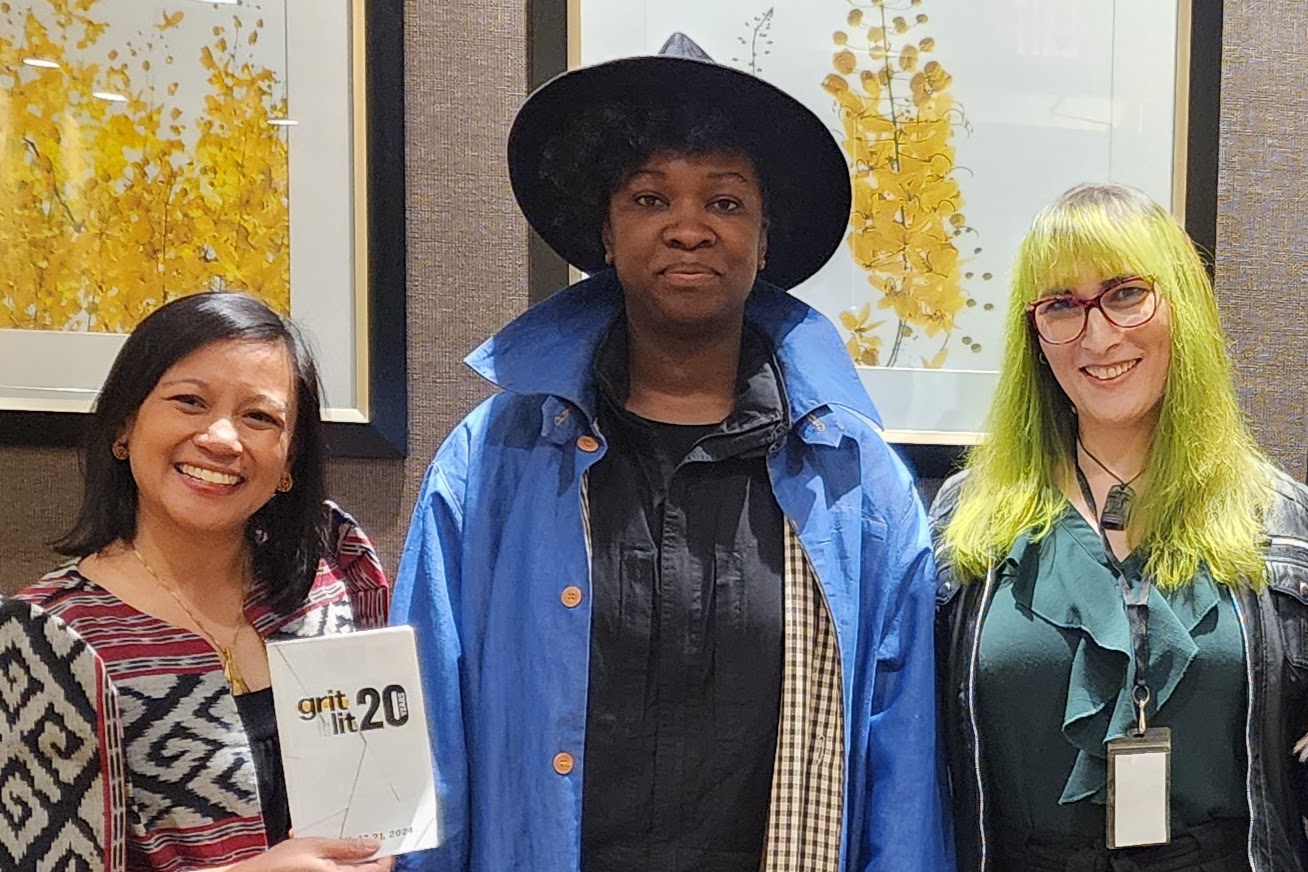

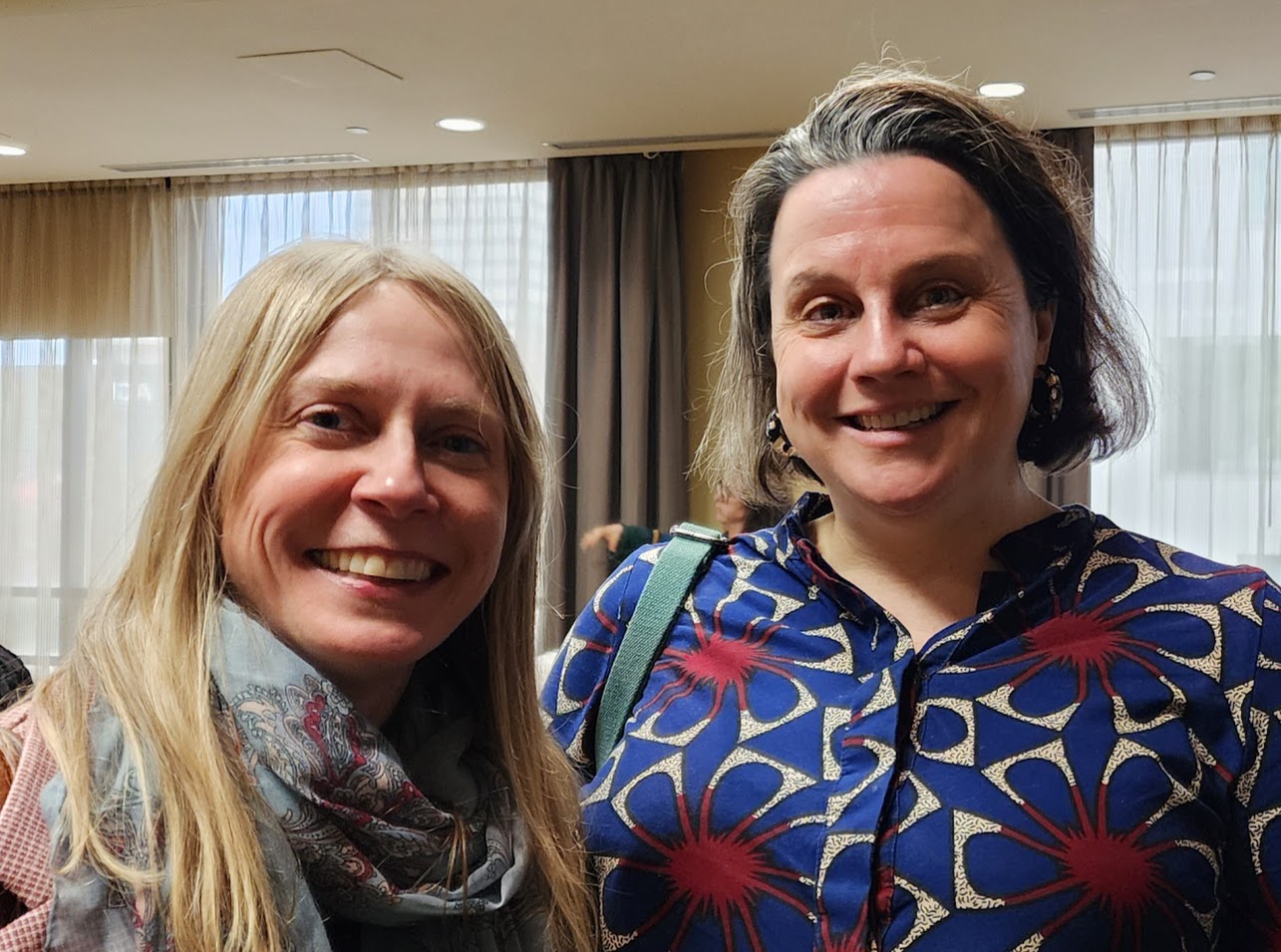
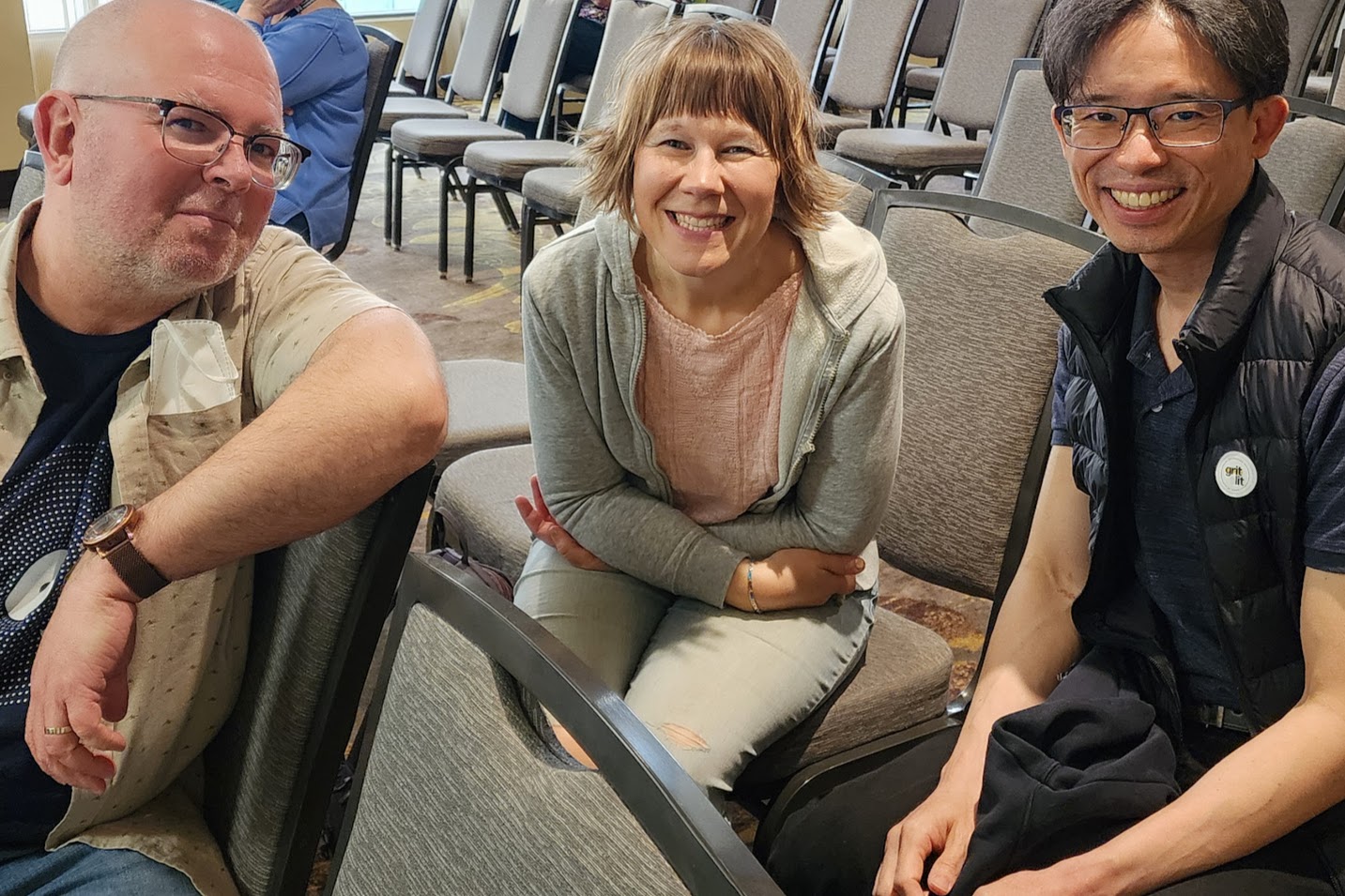
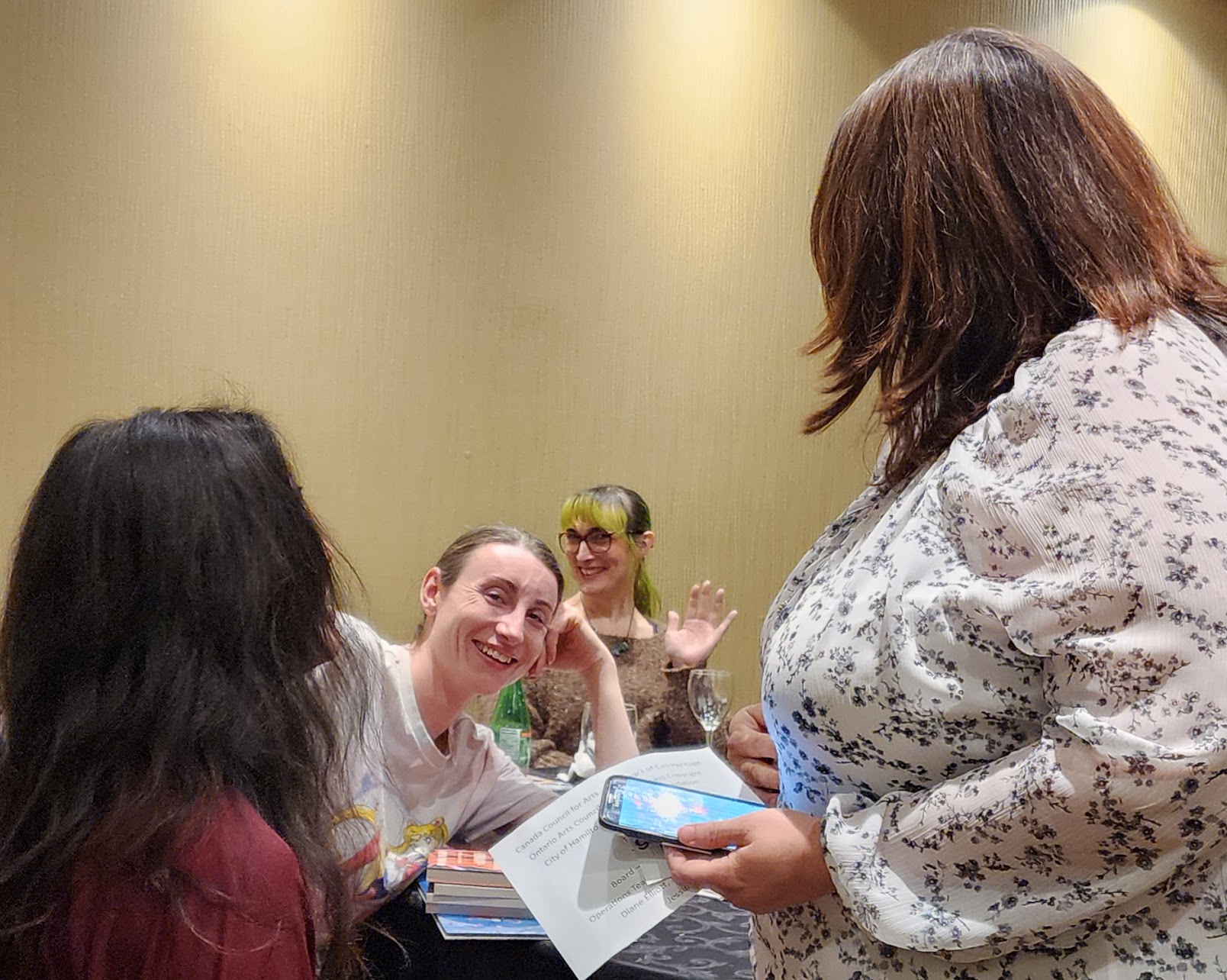
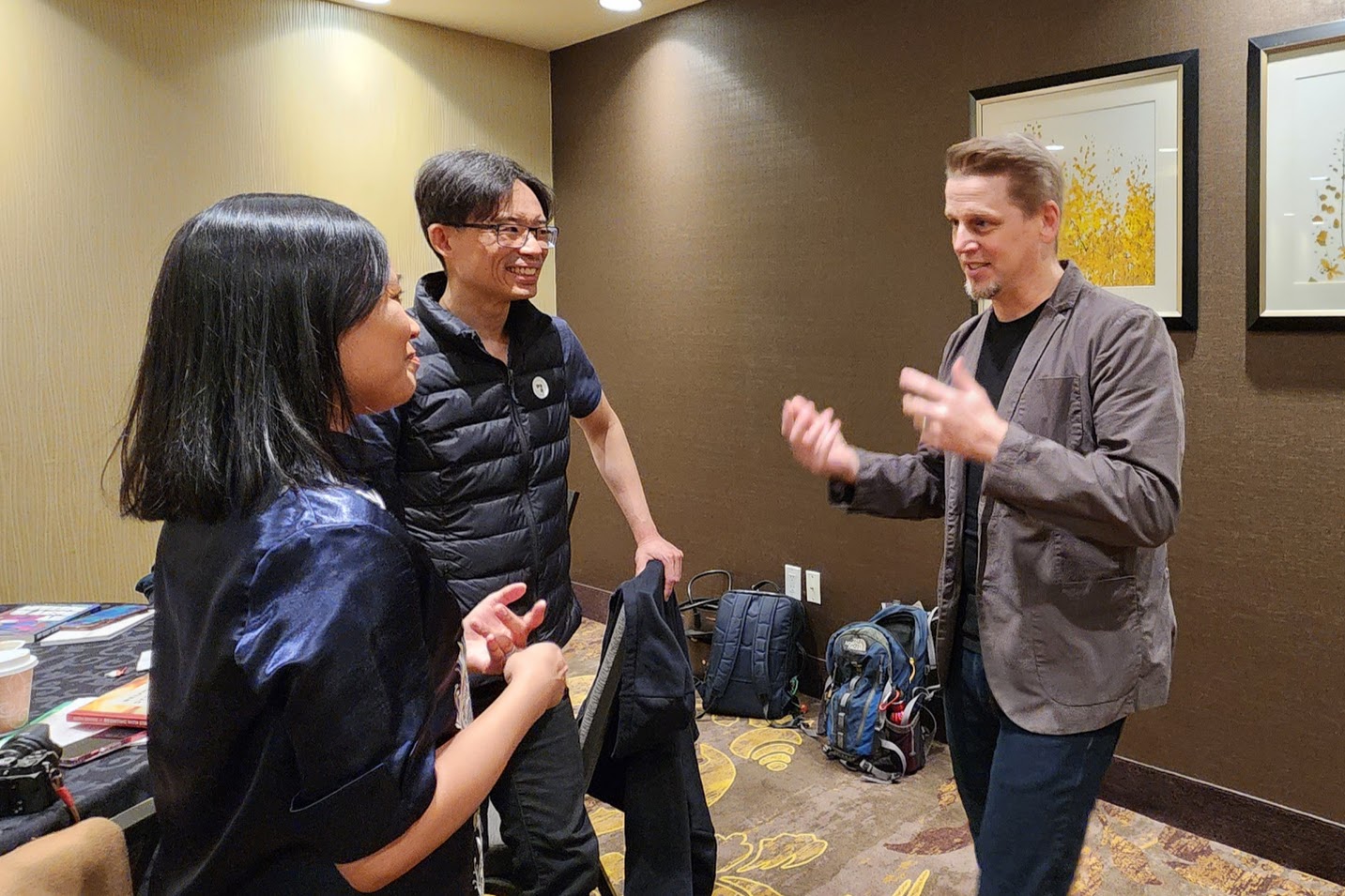
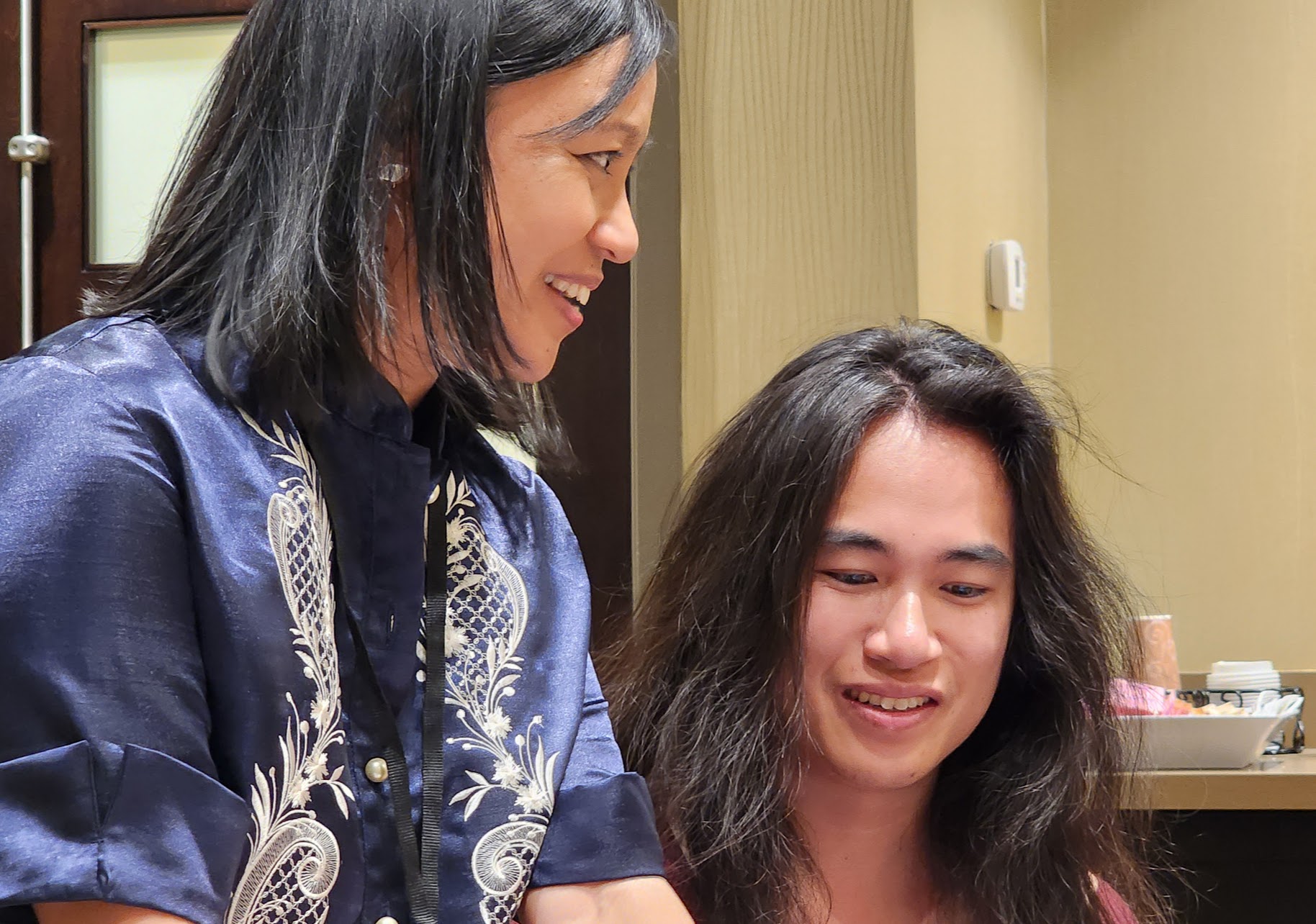

Great to catch up with Jennilee Austria-Bonifacio, Brent van Staalduinen, Jamie Tennant, Jessica Westhead, Kerry Clare, January Rogers, and Chyx. Wonderful to meet Kai Cheng Thom, Scarlett Gillespie, Paige Maylott, Casey Plett, Conyer Clayton, Shelly Kawaja, Canisia Lubrin, and Alicia Elliott.


Delighted to host two events this year, including “And So, It Starts” with authors Shelly Kawaja (The Raw Light of Morning) and Jennilee Austria-Bonifacio (Reuniting with Strangers).
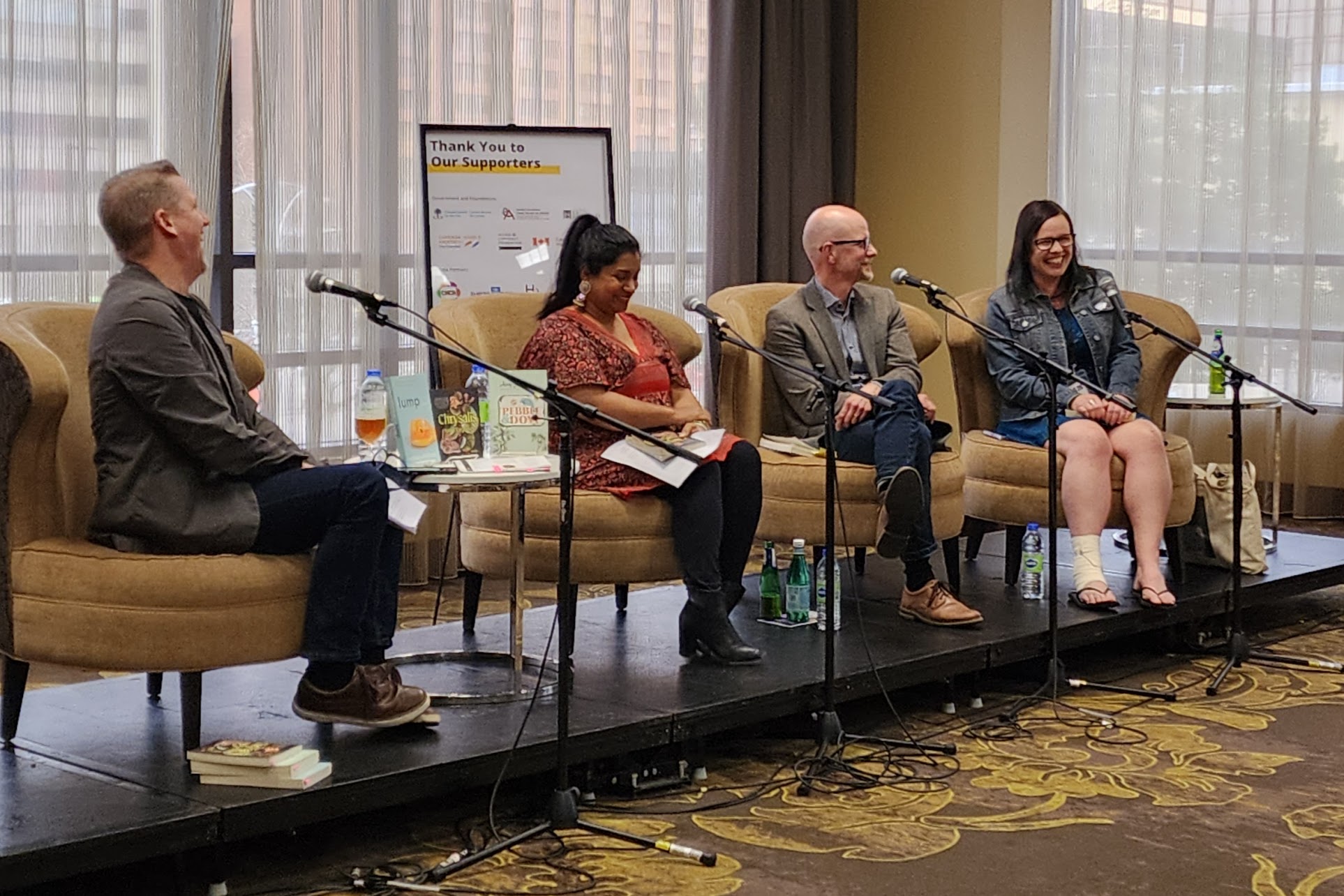
“Drafts & Drafts” with Brent van Staalduinen (moderator), Anuja Varghese (Chrysalis), Nathan Whitlock (Lump), and Amy Jones (Pebble and Dove).
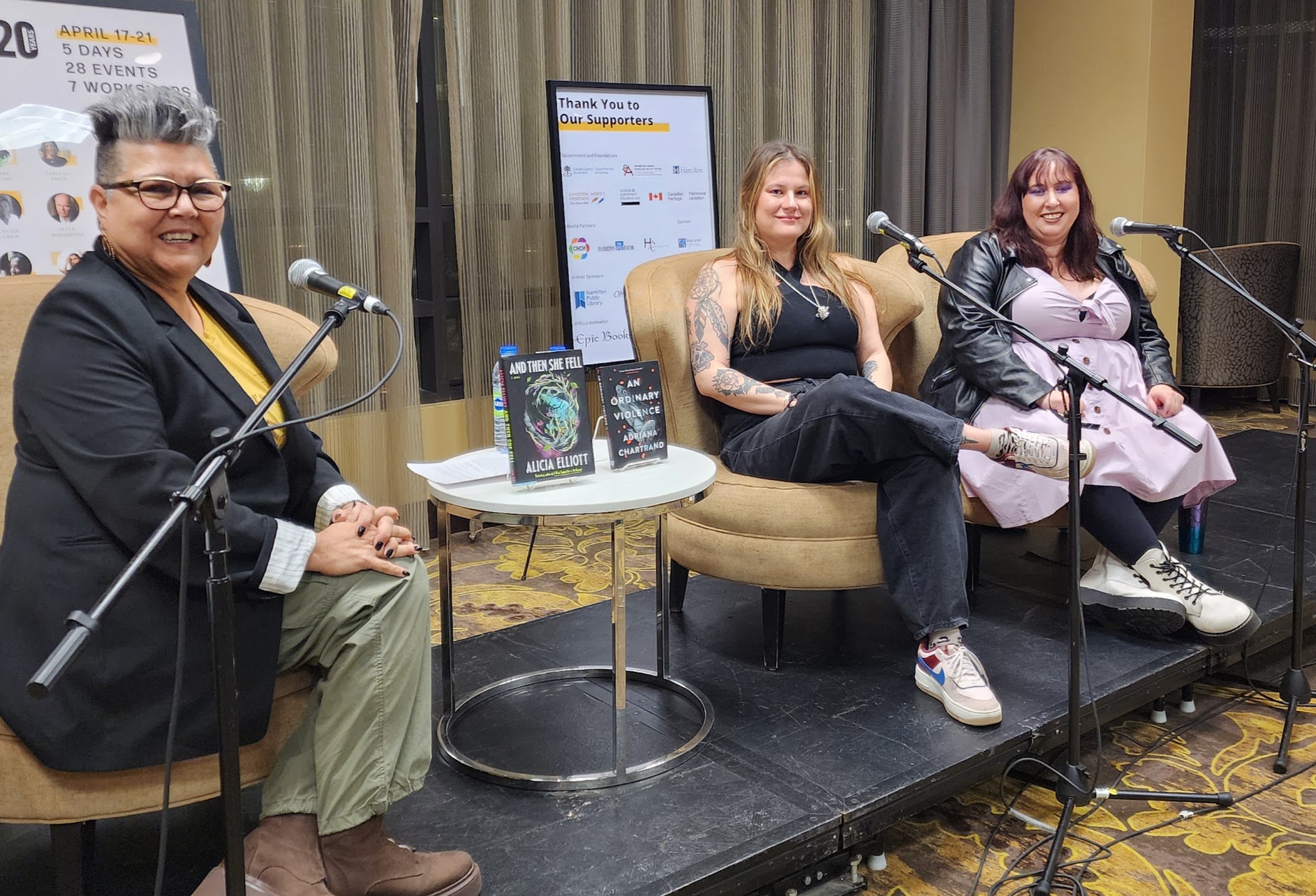

Photo 1: “Words Collide” with January Rogers (moderator), Adriana Chartrand (An Ordinary Violence), and Alicia Elliott (And Then She Fell). Photo 2: “Falling Short” with Carleigh Baker (moderator), Vincent Anioke (Perfect Little Angels), and Jessica Westhead (Avalanche).
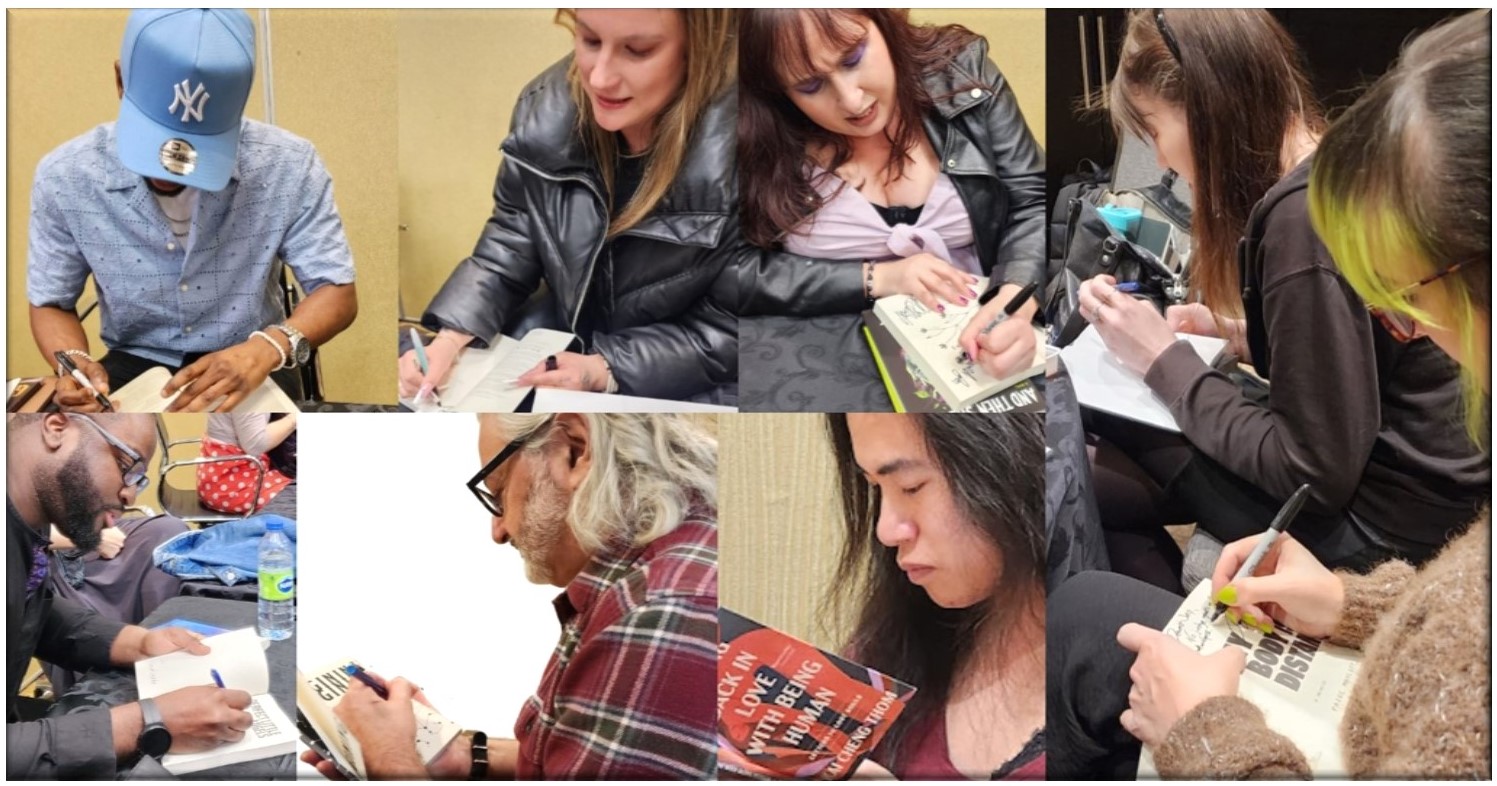
I seem to like taking photos of authors signing their books!
Top left to right: Ayomide Bayowa (Gills), Adriana Chartrand (An Ordinary Violence), Alicia Elliott (And Then She Fell), Casey Plett (On Community).
Bottom left to right: Vincent Anioke (Perfect Little Angels), Gary Barwin (Imagining, Imagining), Kai Cheng Thom (Falling Back in Love with Being Human), Paige Maylott (My Body Is Distant).


Jennilee delivered a great workshop on social media for writers. Love this slide that reads: “Never stop whatever you’re doing in the real world in order to post about it… No content is more important than being present.” Wonderful advice!


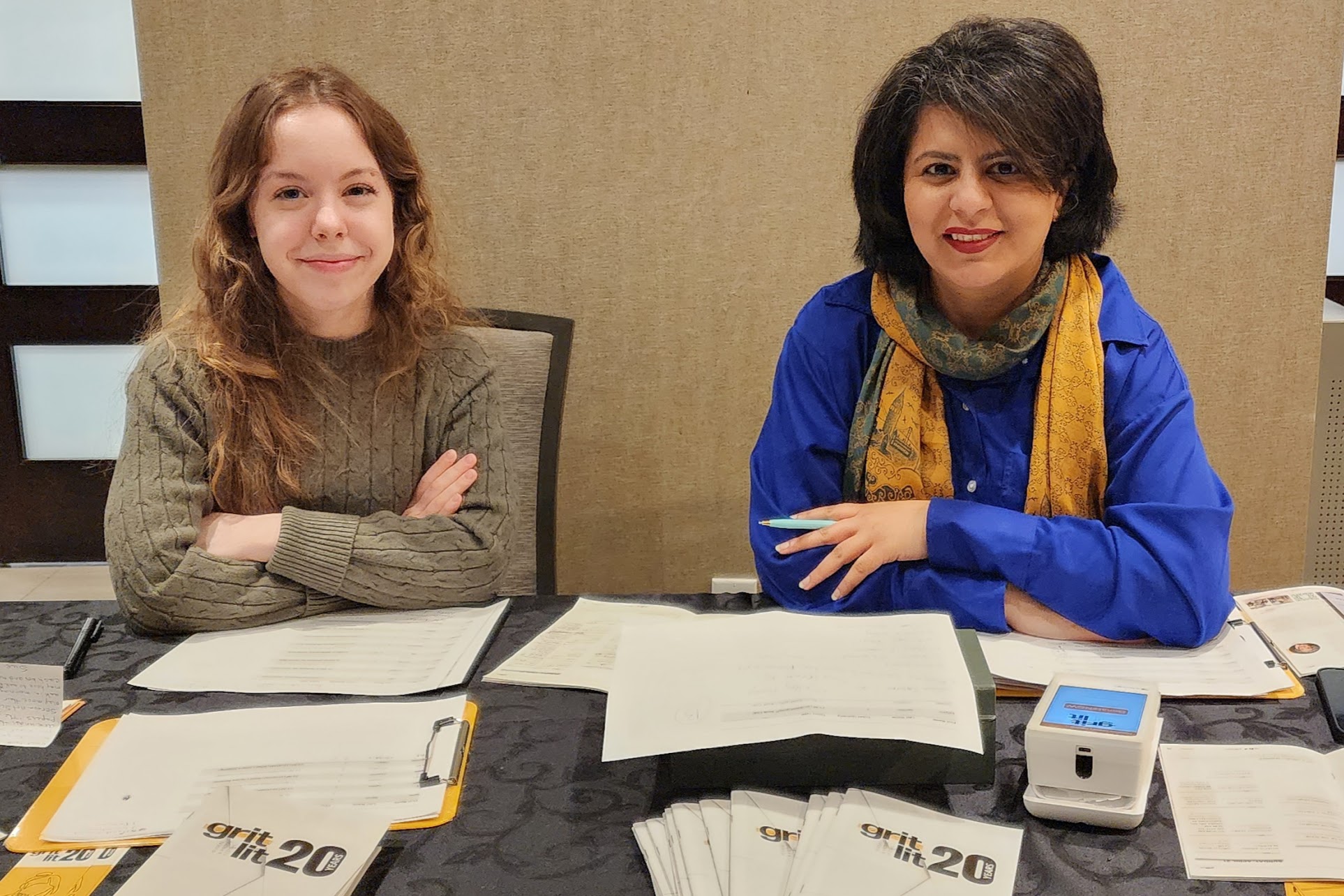
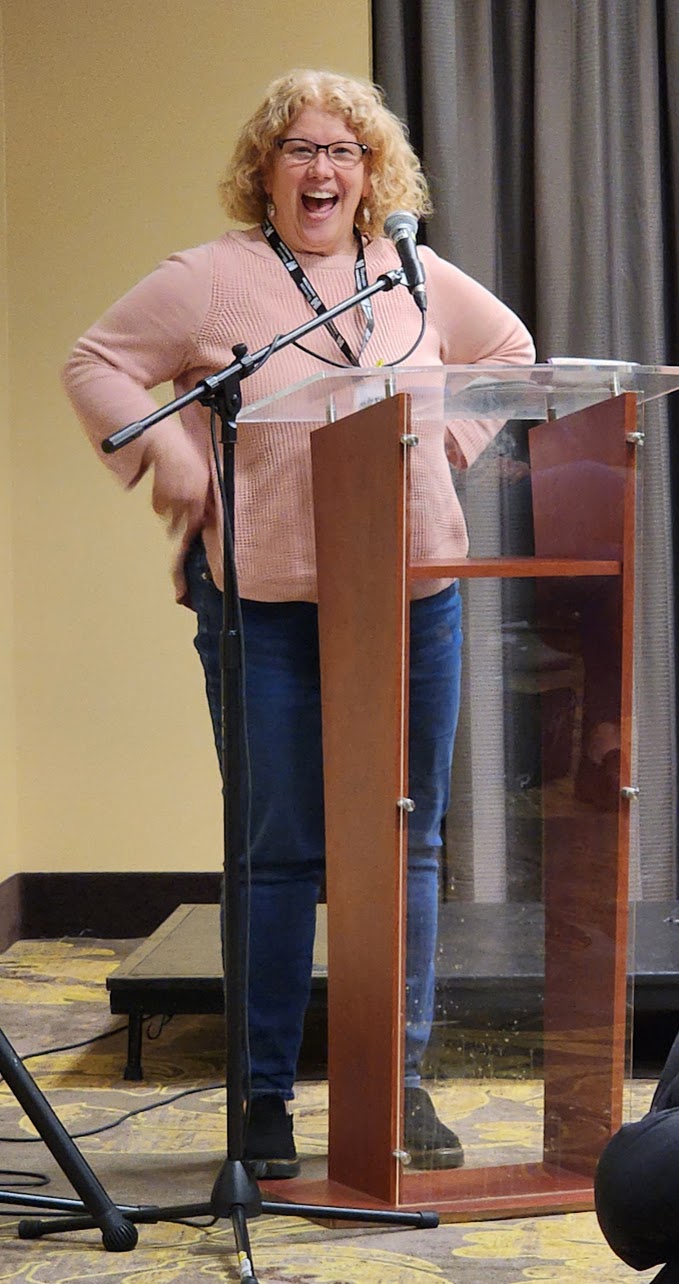
A huge thanks to festival regulars and everyone behind the scenes! Jennifer Gilles, Artistic Director, I still need a photo of you! A special thanks to Jessica Rose, interim Artistic Director, for helping make this year’s festival so memorable! Learn more about the amazing gritLIT team by visiting gritLIT’s website.

List of 2024 Festival Authors
Ainara Alleyne | Vincent Anioke | Margaret Atwood | Jennilee Austria-Bonifacio | Gary Barwin | Ayomide Bayowa | Adriana Chartrand | Conyer Clayton | Alicia Elliott | Madison Farkas | Amy Jones | Shelly Kawaja | Dannabang Kuwabong | David Neil Lee | Robin Lefler | Canisia Lubrin | Peter Mansbridge | George Matuvi | Paige Maylott | Shani Mootoo | Matthew R. Morris | Geoffrey D. Morrison | Lishai Peel | Casey Plett | Leanne Toshiko Simpson | Kai Cheng Thom | Anuja Varghese | Jessica Westhead | Nathan Whitlock | Tom Wilson
List of 2024 Festival Moderators
Elamin Abdelmahmoud | Carleigh Baker | Gary Barwin | Ann Y.K. Choi | Kerry Clare | Megan Divecha | Renata Hall | Mary Francis Moore | Casey Plett | January Rogers | Emily Sattler | Neil Smith | Jamie Tennant | Kai Cheng Thom | Brent van Staalduinen
See author and moderator bios.

Click on the program cover to see inside.
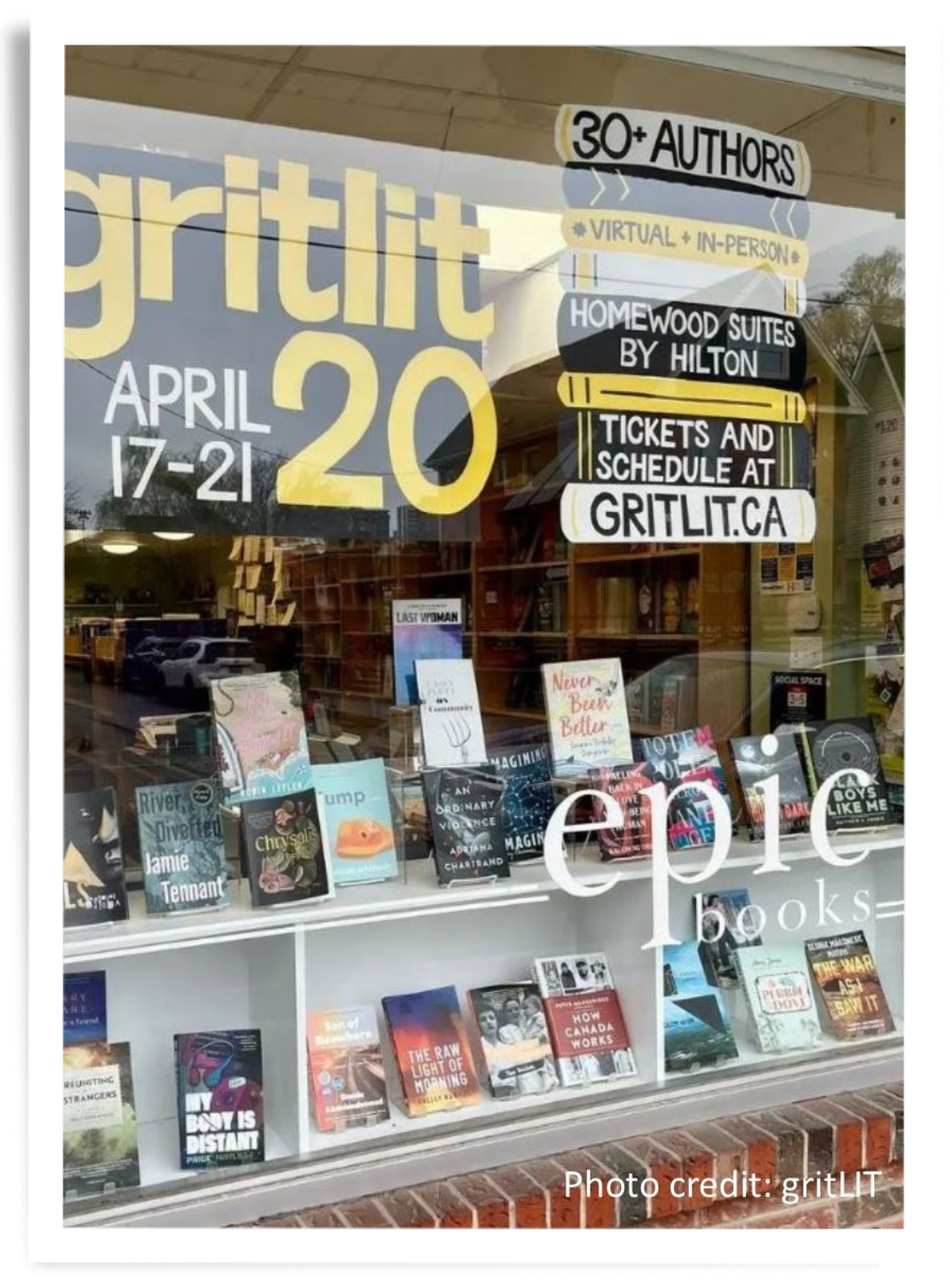
Also, a shout-out to Epic Books, the festival’s official bookseller.
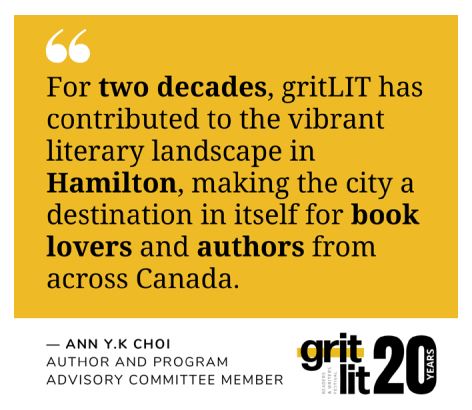
See you next year, everyone!
Learn more about gritLIT: Official website | Facebook | Instagram
“gritLIT is 20 in 2024” by Hamilton City Magazine | “Peter Mansbridge, Tom Wilson, Paige Maylott among writers celebrating 20 years of Hamilton Gritlit festival” via CBC.ca | “Former CBC anchor Peter Mansbridge kicks off 20th annual Hamilton gritLIT festival” by the Hamilton Spectator | “Hamilton’s GritLIT Festival celebrating 20 years with workshops, special guests and more” via CHCH.com
Favourite Places To Write
Posted on July 28, 2023
With blistering hot temperatures and a finicky air conditioner at home, my daughter and I looked for cool spaces to work. Here are our top picks, from cozy cafes to public libraries, in the north end of Toronto and the Greater Toronto Area (GTA).
Covernotes Coffee House (Richmond Hill, Ontario)


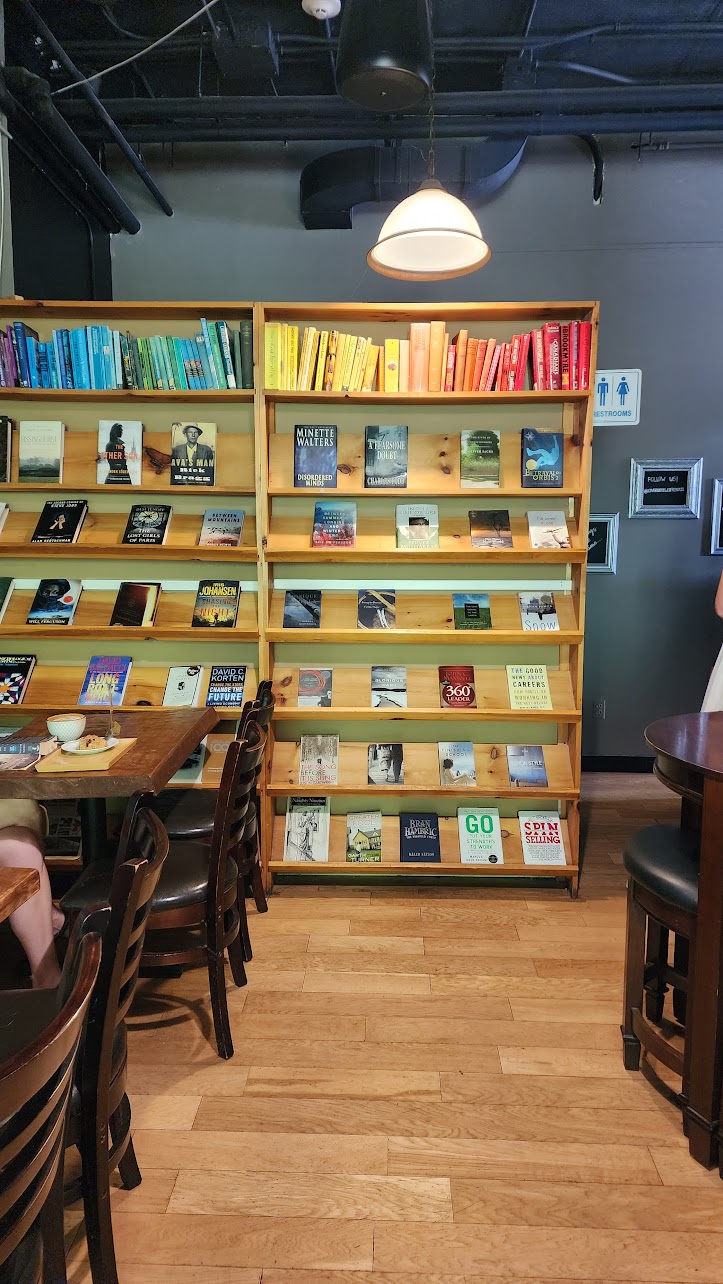

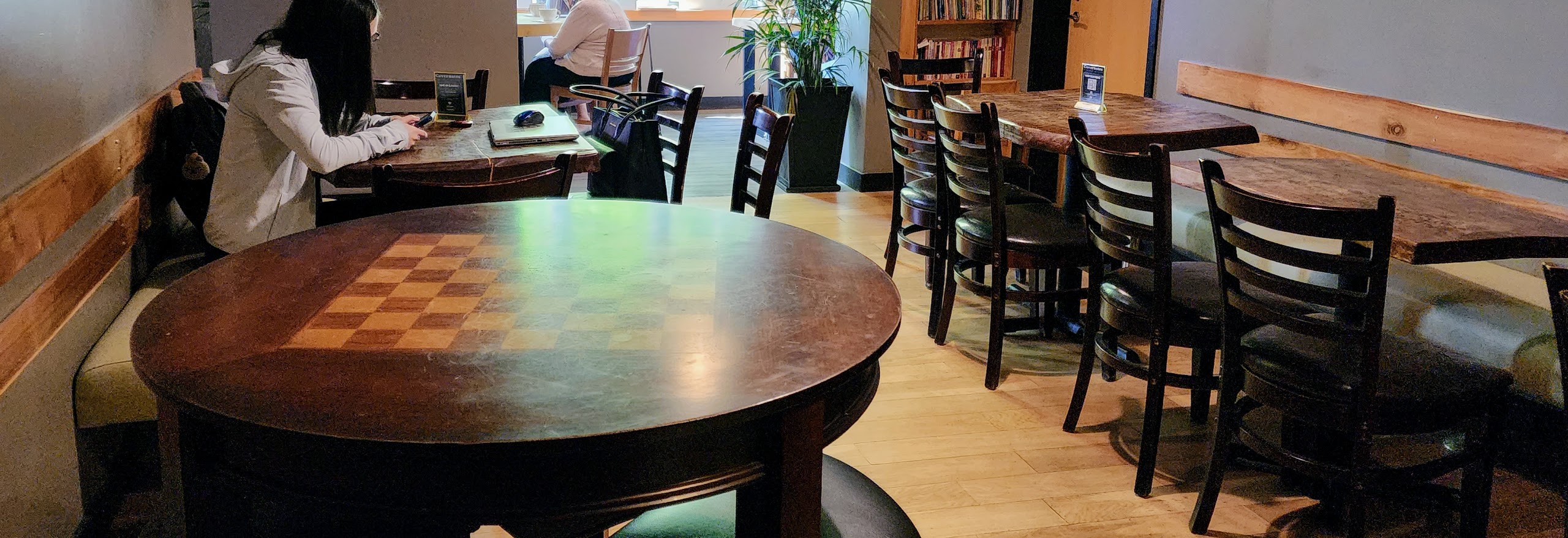
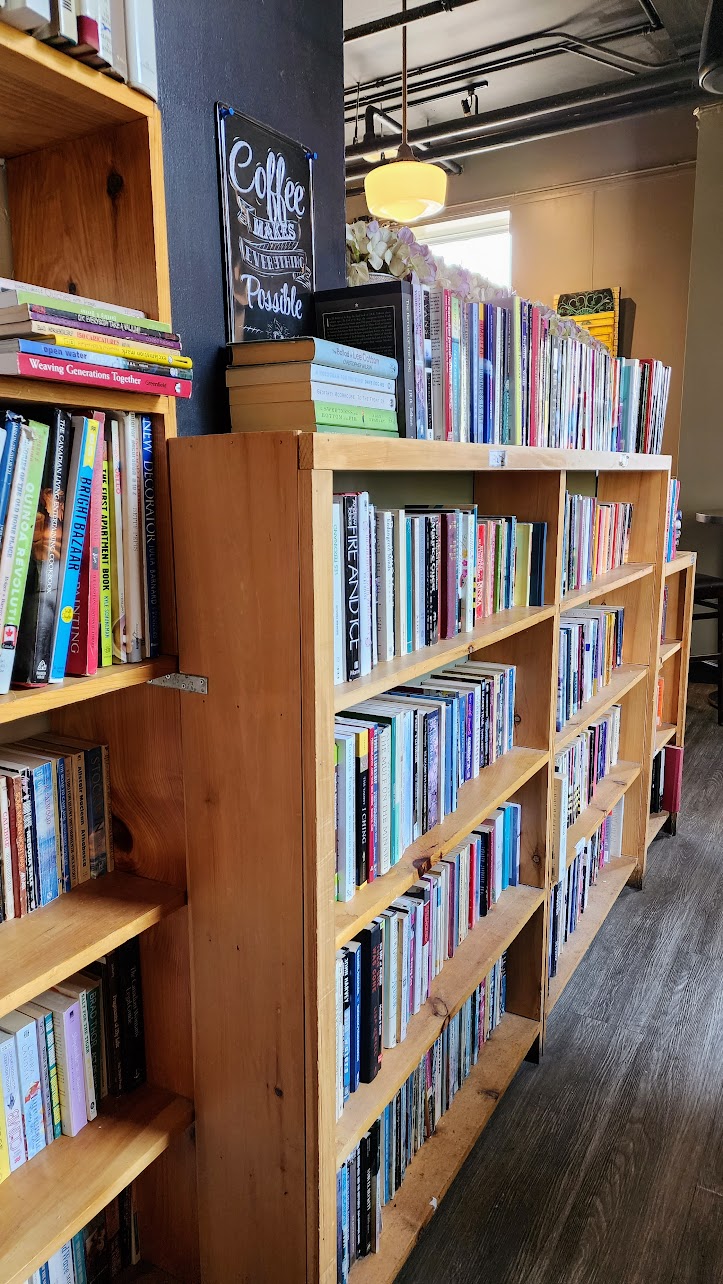
Books and coffee! We both appreciated the wide variety of coffees and teas, as well as the gluten-free and dairy-free food options. The collection of used books ranged from fiction to textbooks. A whole bookcase was devoted to children’s books. When I can’t write or get stuck, I read to get inspired, so this café was perfect!
Cozy and used-bookstore vibe (which I love!) Friendly and knowledgeable staff.
Heads up: There’s a mix of people working and socializing. Noise cancellation headphones are a must if background noise bothers you. There’s very few outlets to recharge your devices. Free parking is available behind the café.
Richmond Hill Public Library – Central Branch

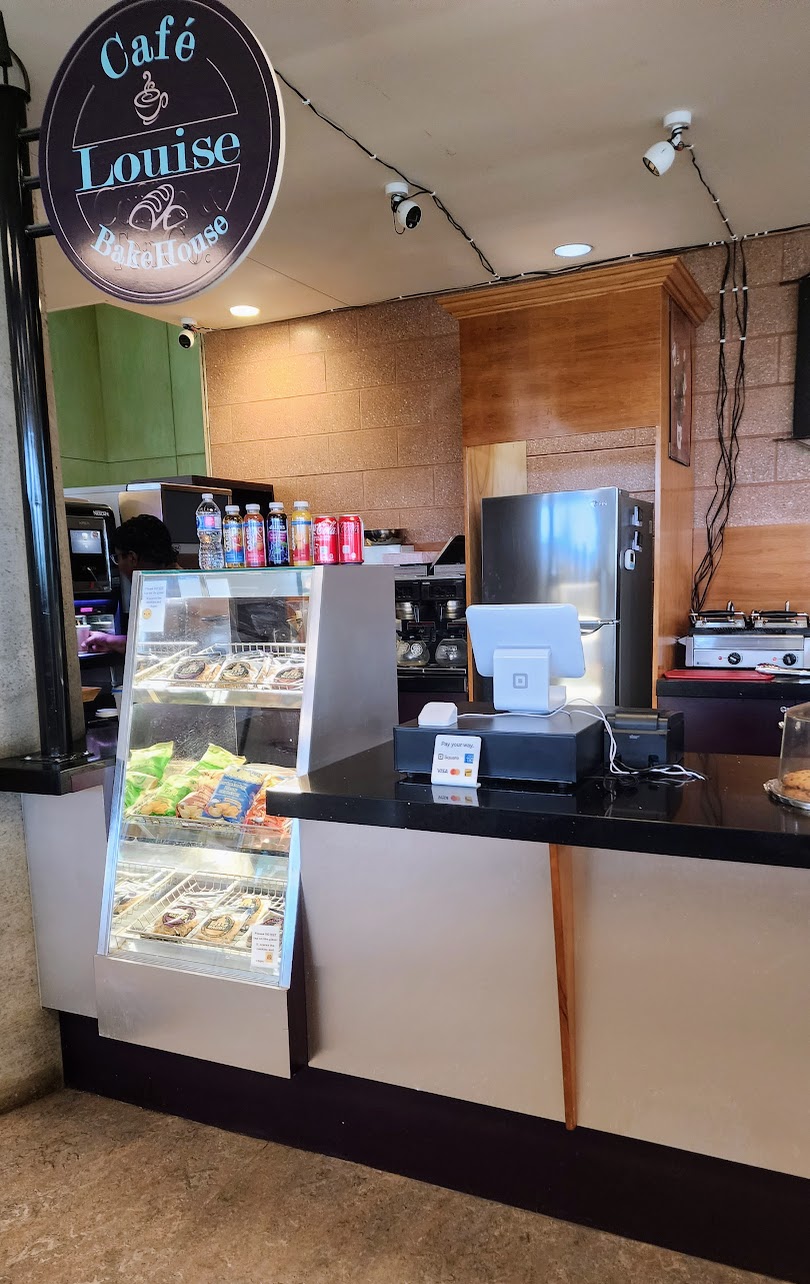
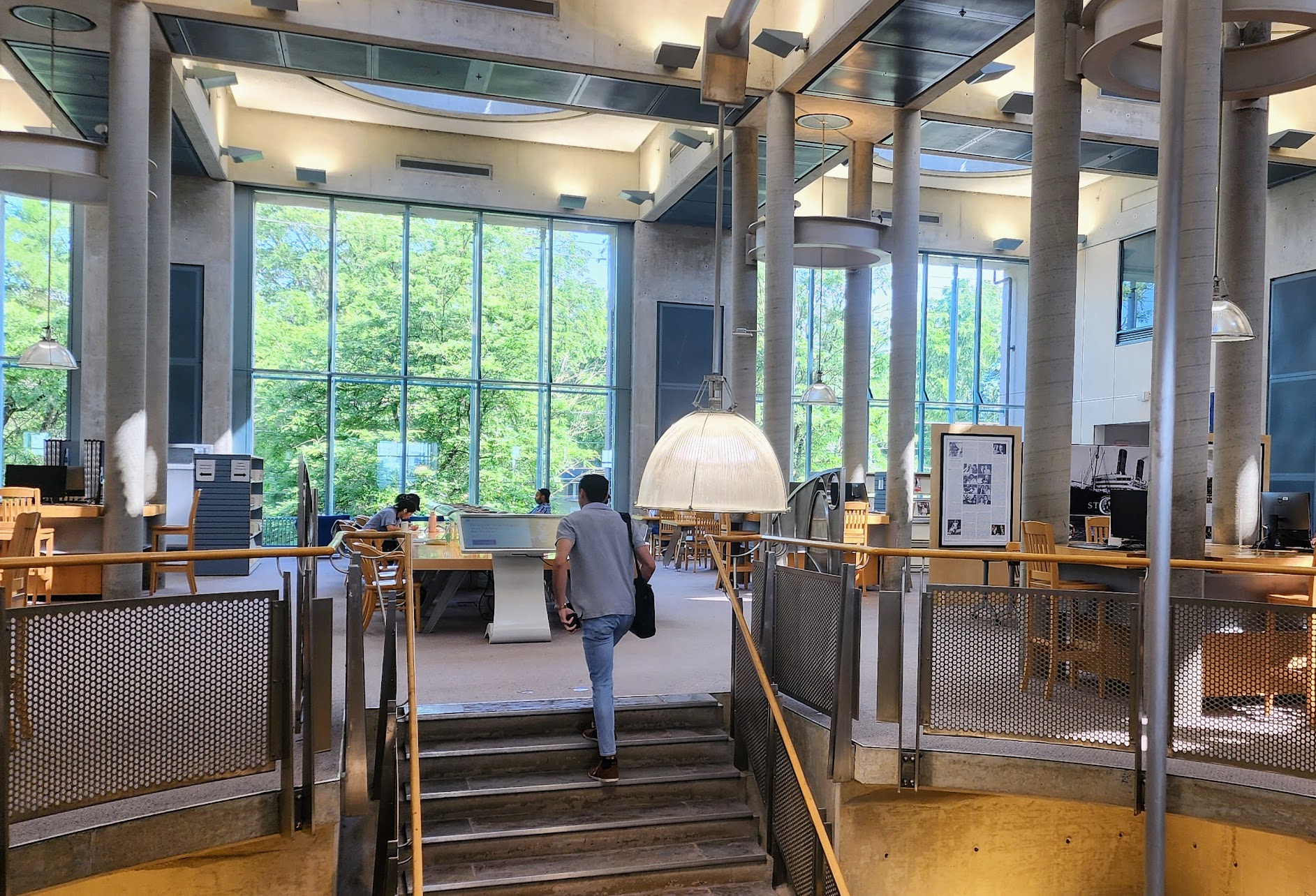
I live in Toronto but because I work in York Region, I was able to get a library card. This branch has a café! The main floor can get noisy – the children’s area is nearby and people seem to meet to chat or hold tutoring sessions. However, it’s quiet upstairs with lots of natural lighting.
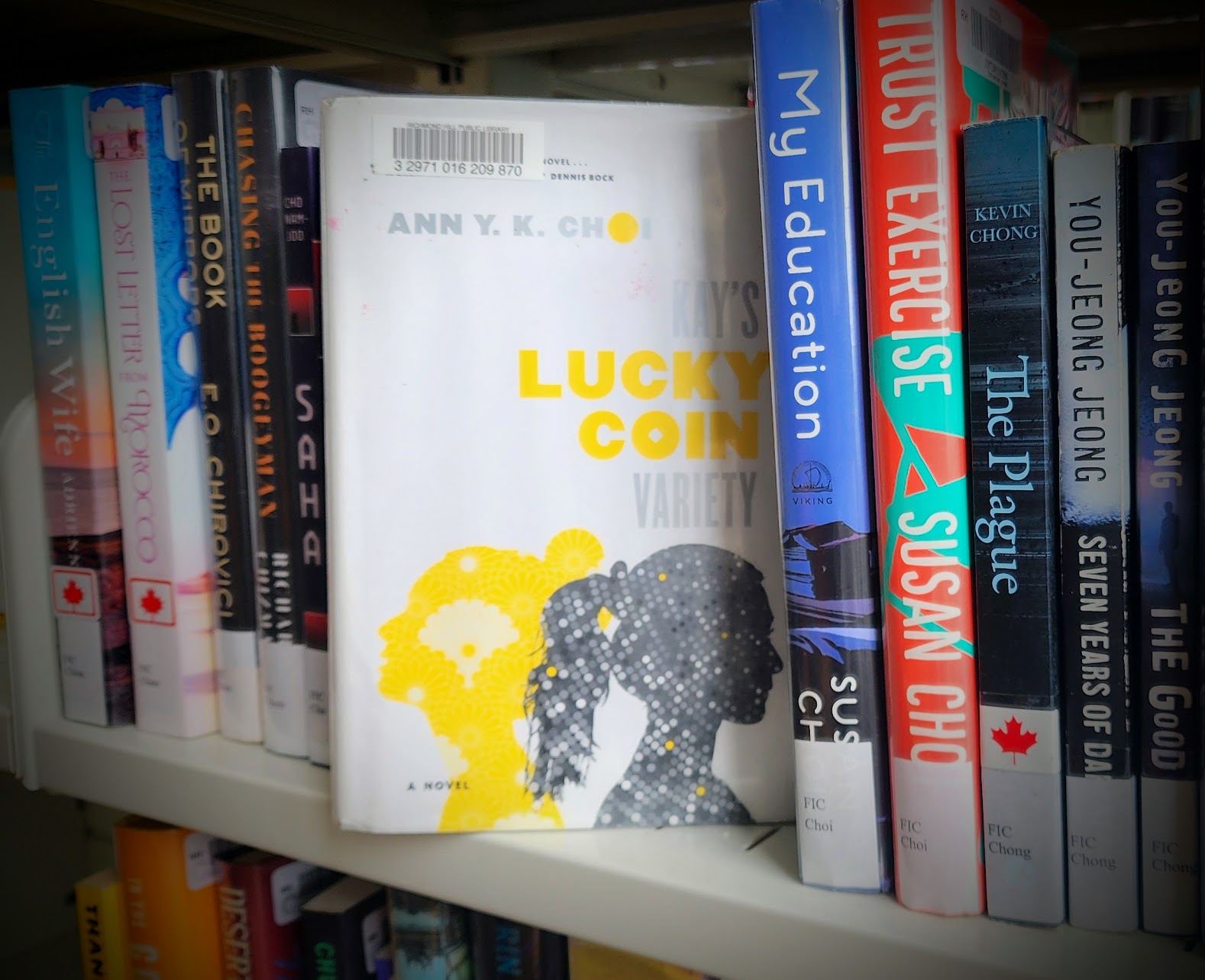
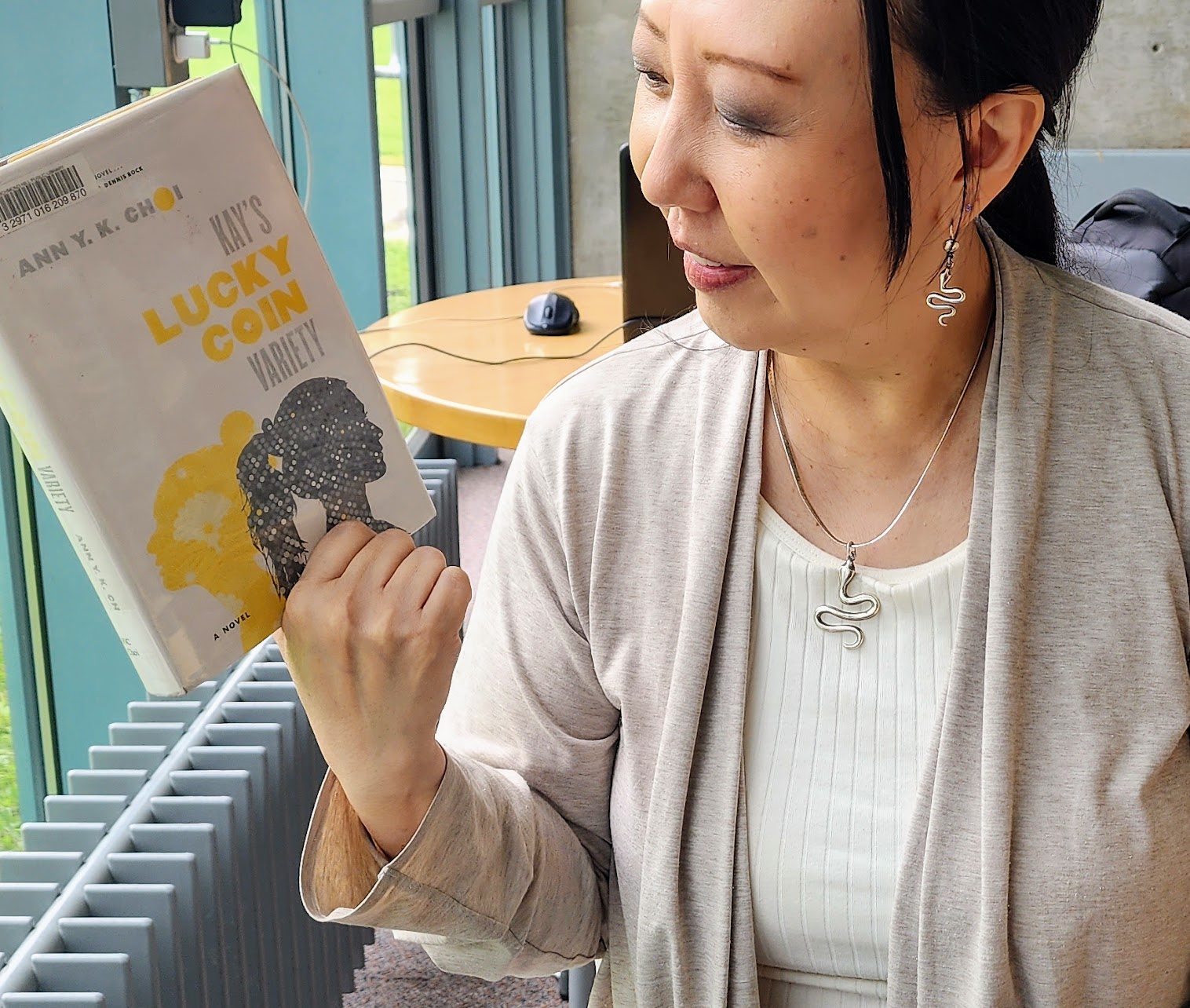
Heads up: Wear a long-sleeve shirt; it gets very cold inside. Wi-Fi is open to all visitors; no library card needed. Wonderful outdoor work spaces! Lots of free parking. My novel, Kay’s Lucky Coin Variety, is there if you’d like to check it out.
Papa Cafe & Pastry (North York, Ontario)
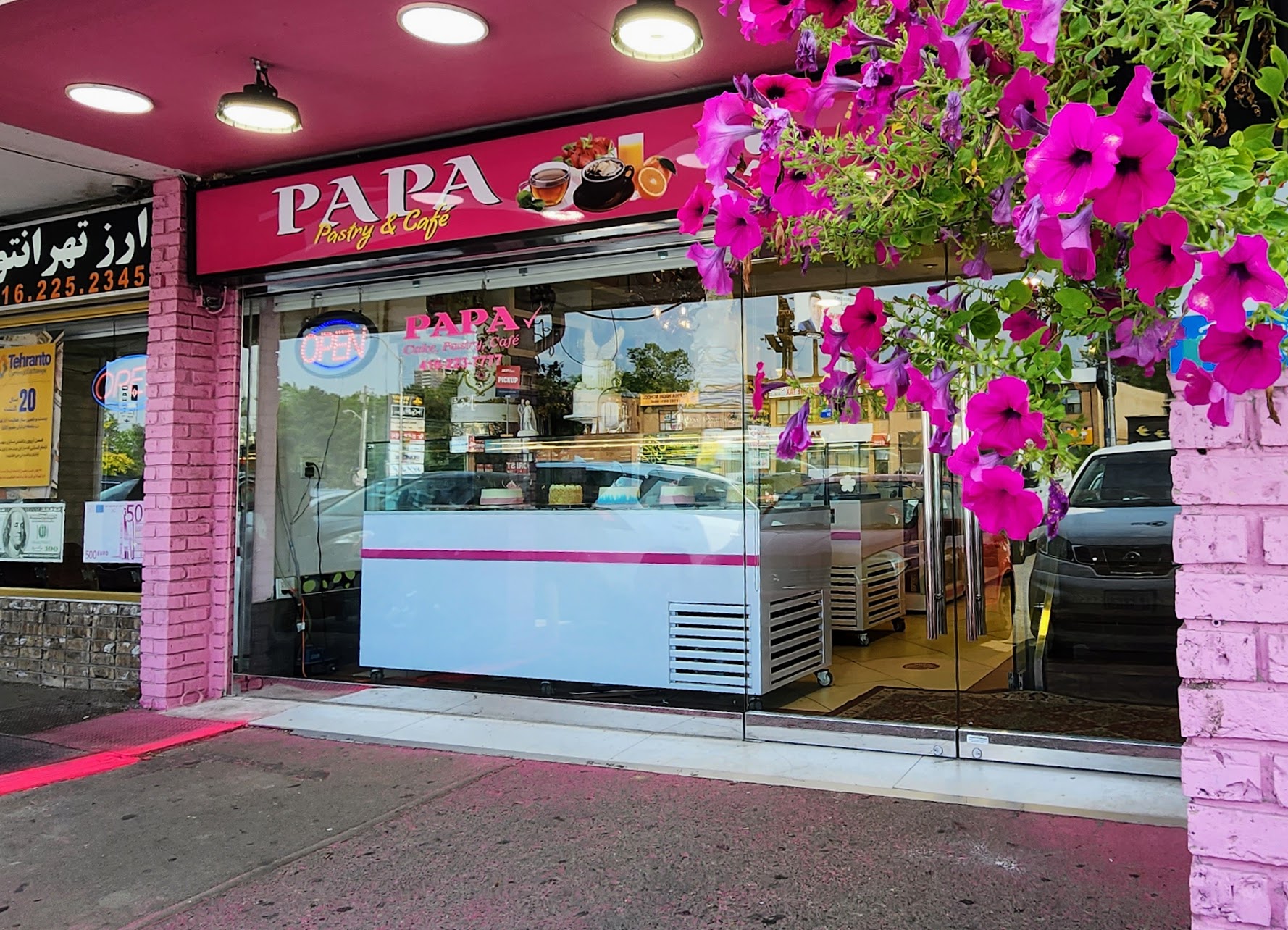
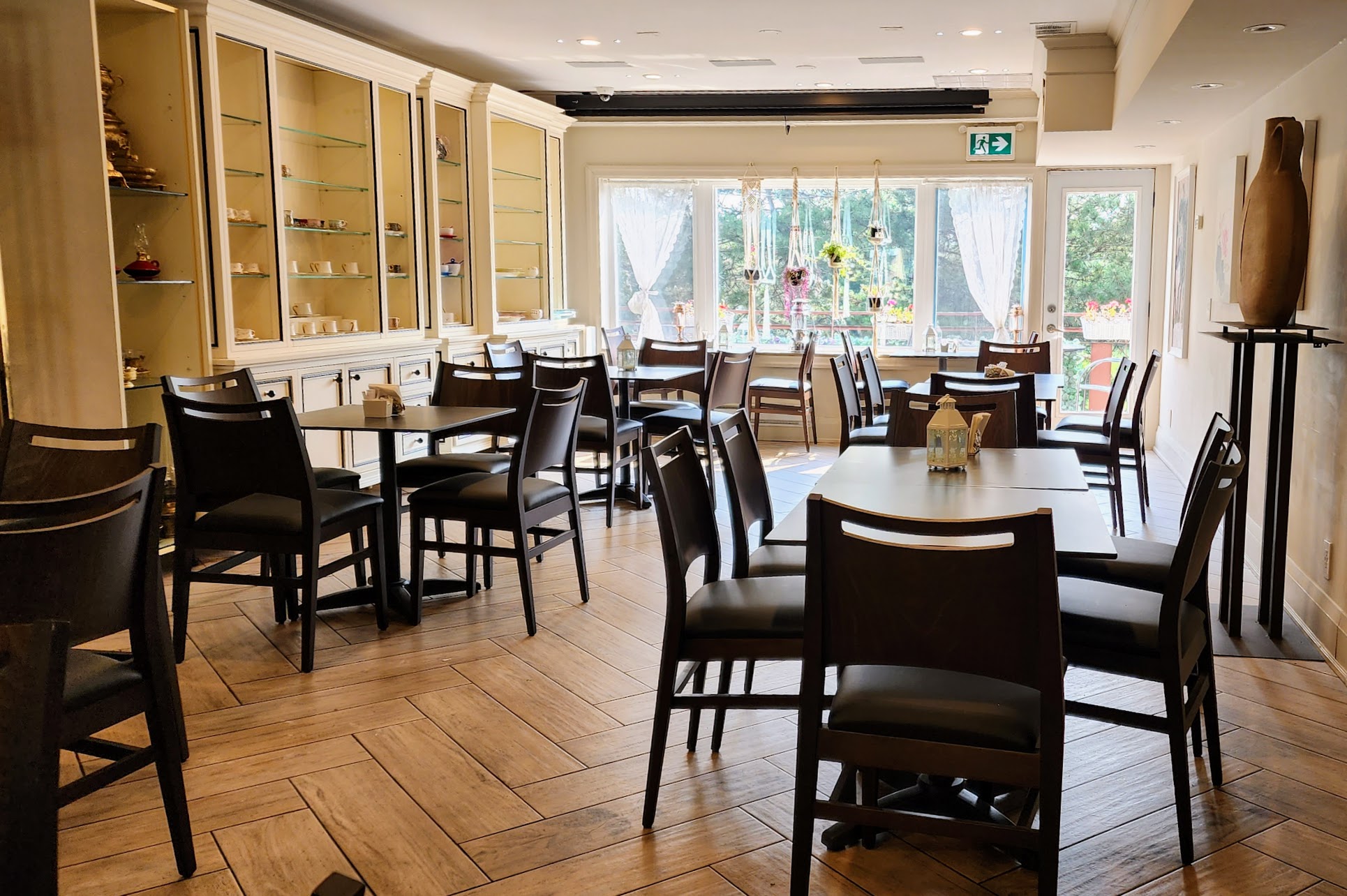

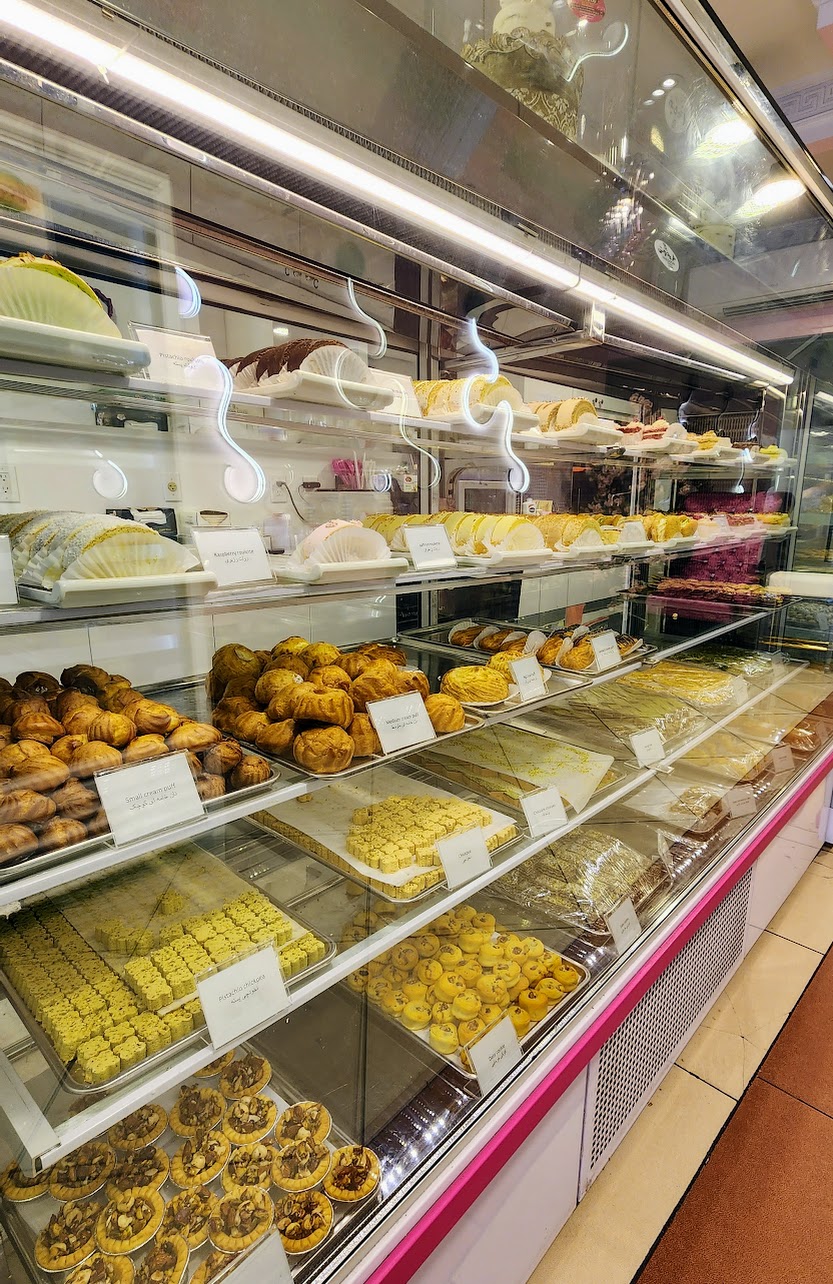
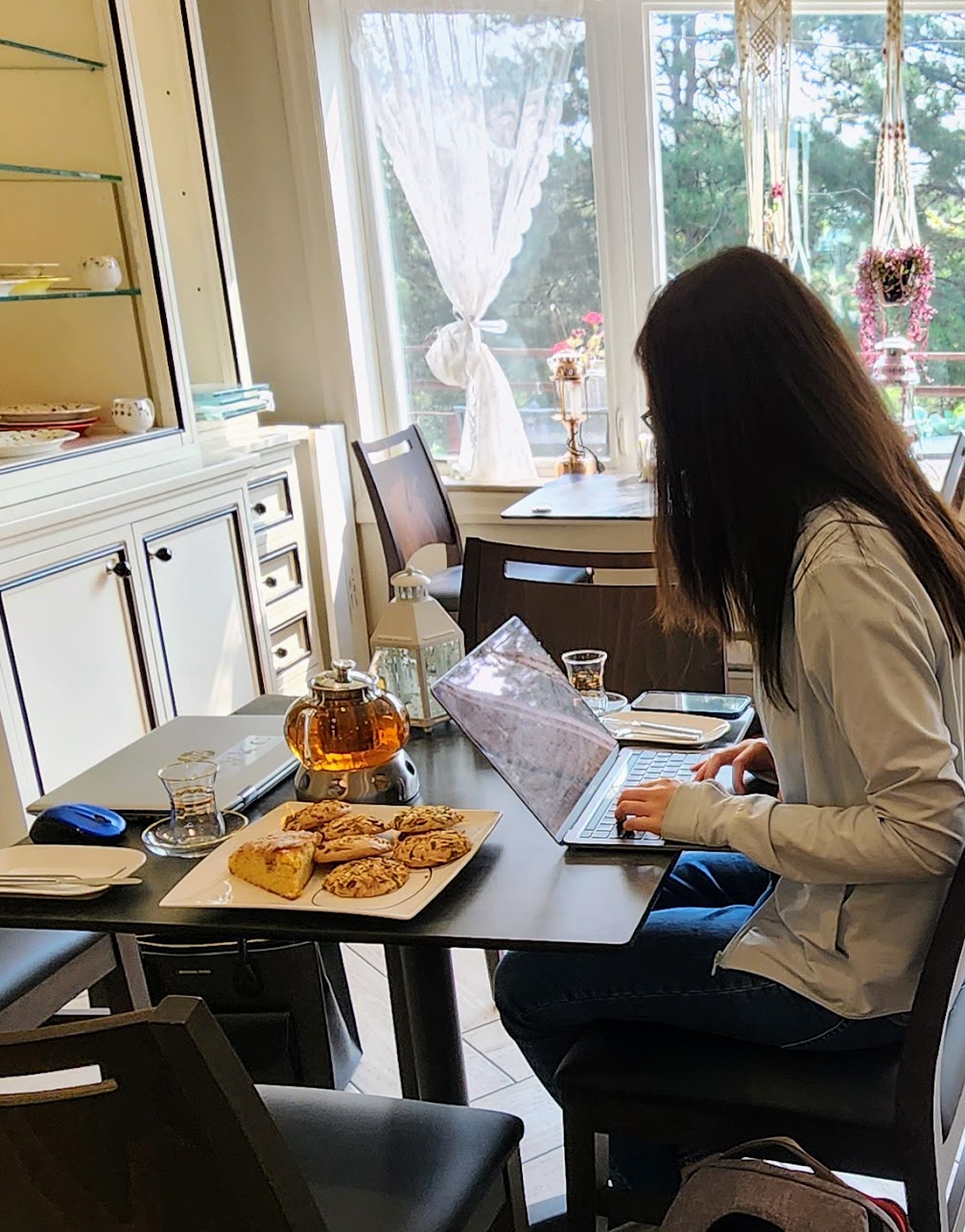
This is one of the few places where I’ll have tea instead of coffee. This Persian café serves wonderful saffron tea and their delicious pistachio cookies and almond cake are gluten-free.
Warm and traditional vibe. Service was friendly and quick.
Heads up: The parking lot in front of the café is busy! Small outdoor patio. Check hours as they vary throughout the week.

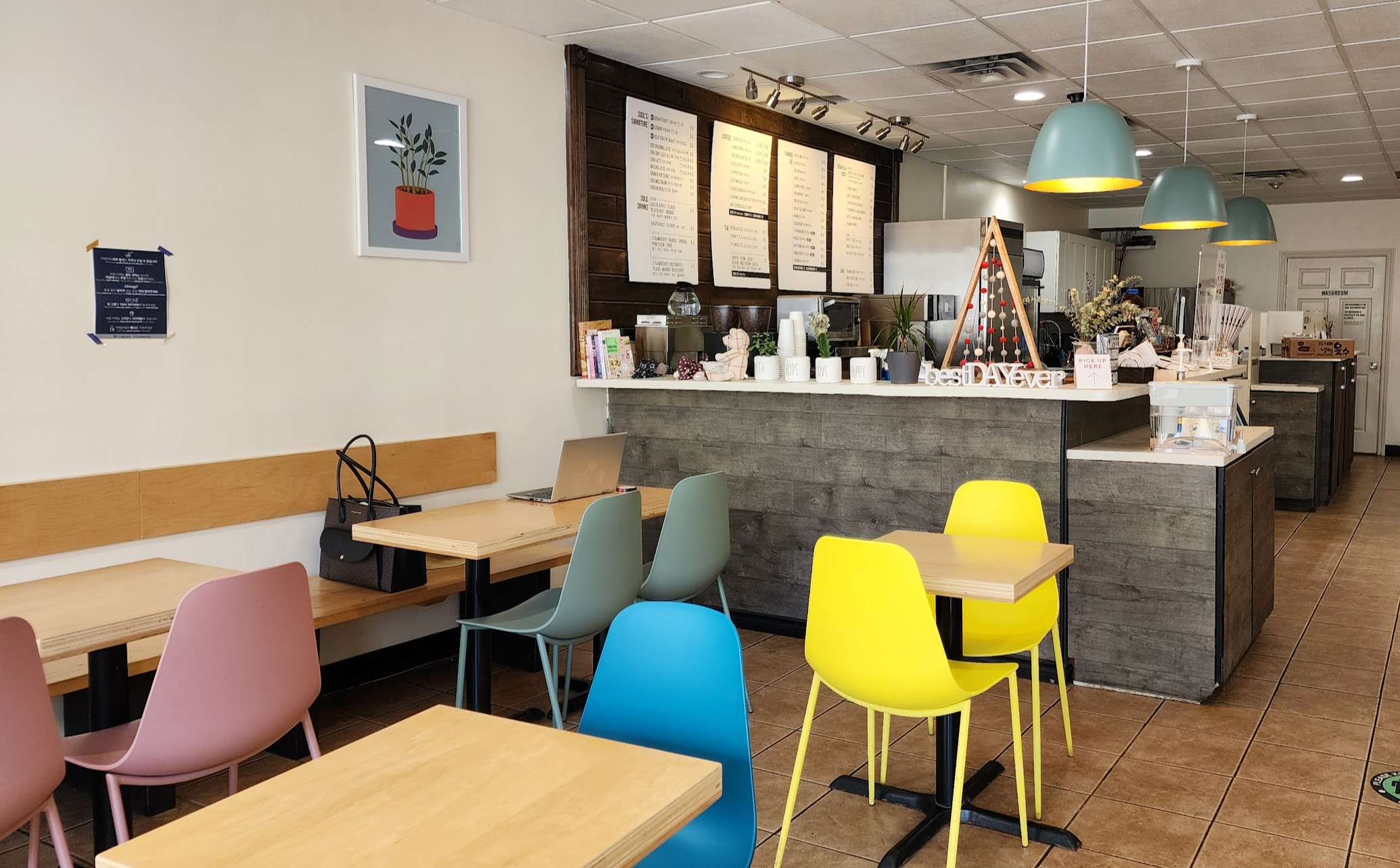
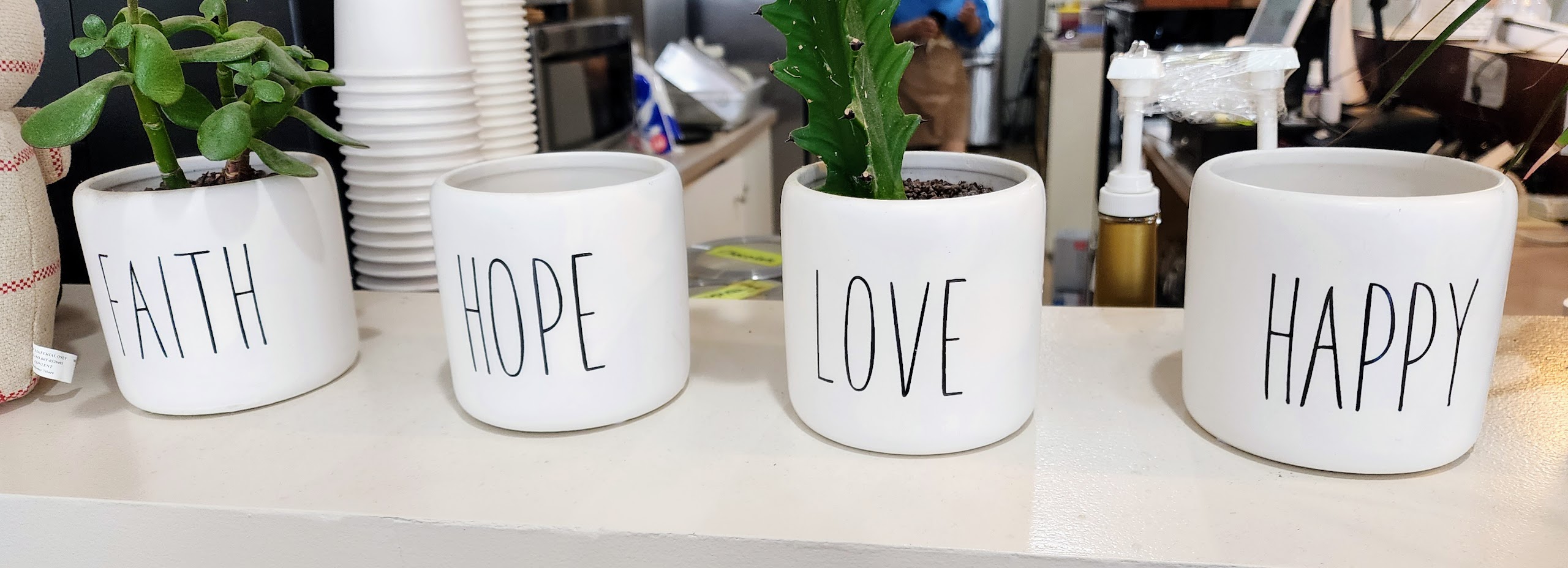
Soul Cafe (North York, Ontario)
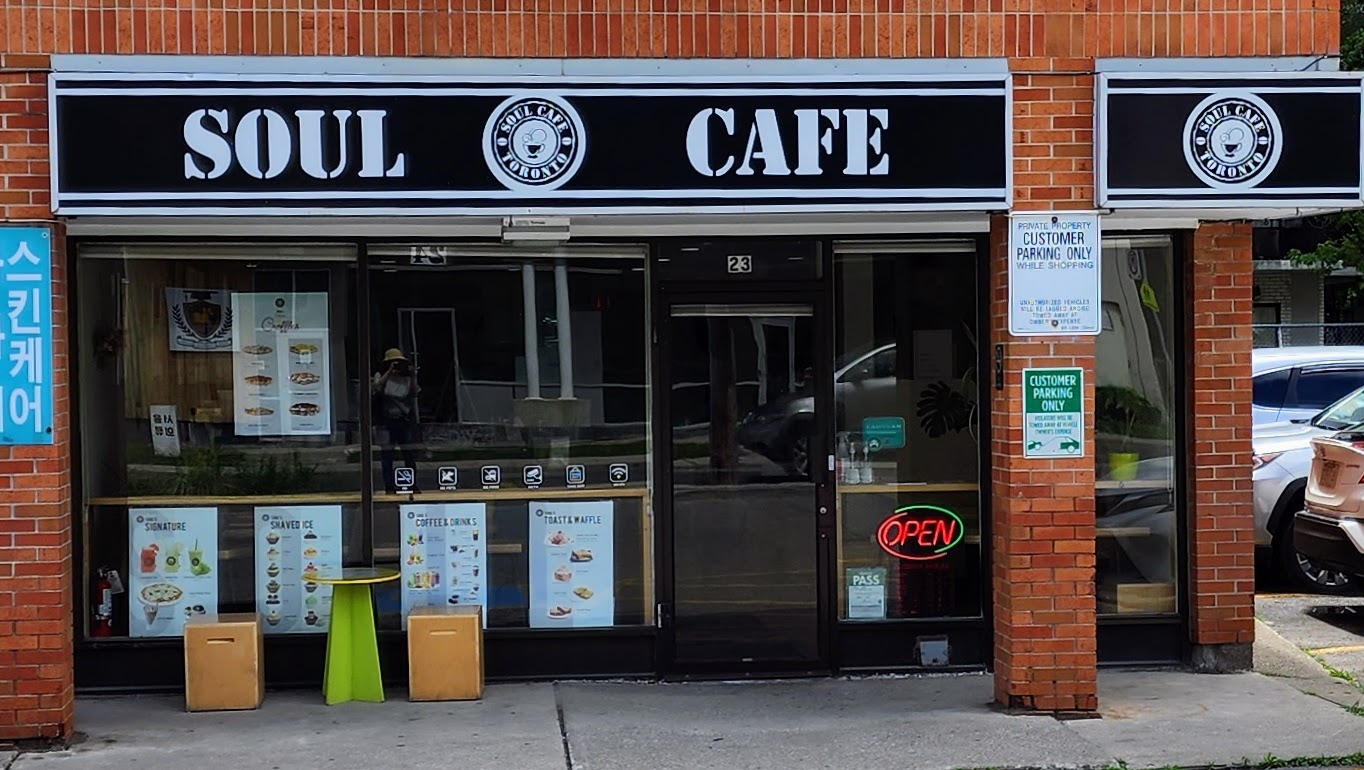
This Korean café is one of my daughter’s favourites. The best time to work here is when it opens at 12:30 p.m. as it’s quiet then. If you like grapefruit drinks, you must check out their signature grapefruit tea.
Café has a modern and airy vibe. Service was friendly and attentive.
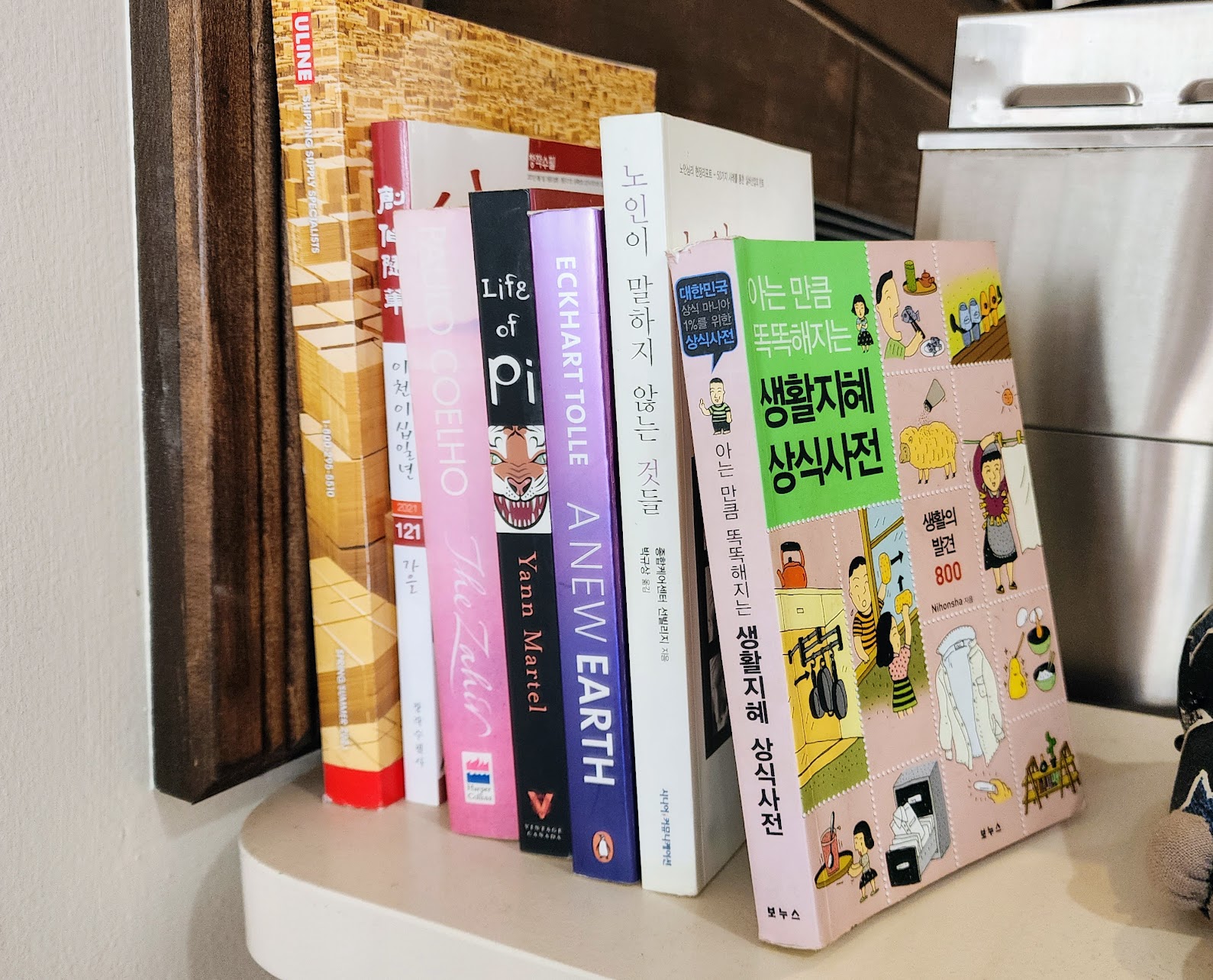
Heads up: Parking lot is small and tight. There’s a few books tucked away in a corner.


Starving Artist Waffles & Espresso (Markham, Ontario)
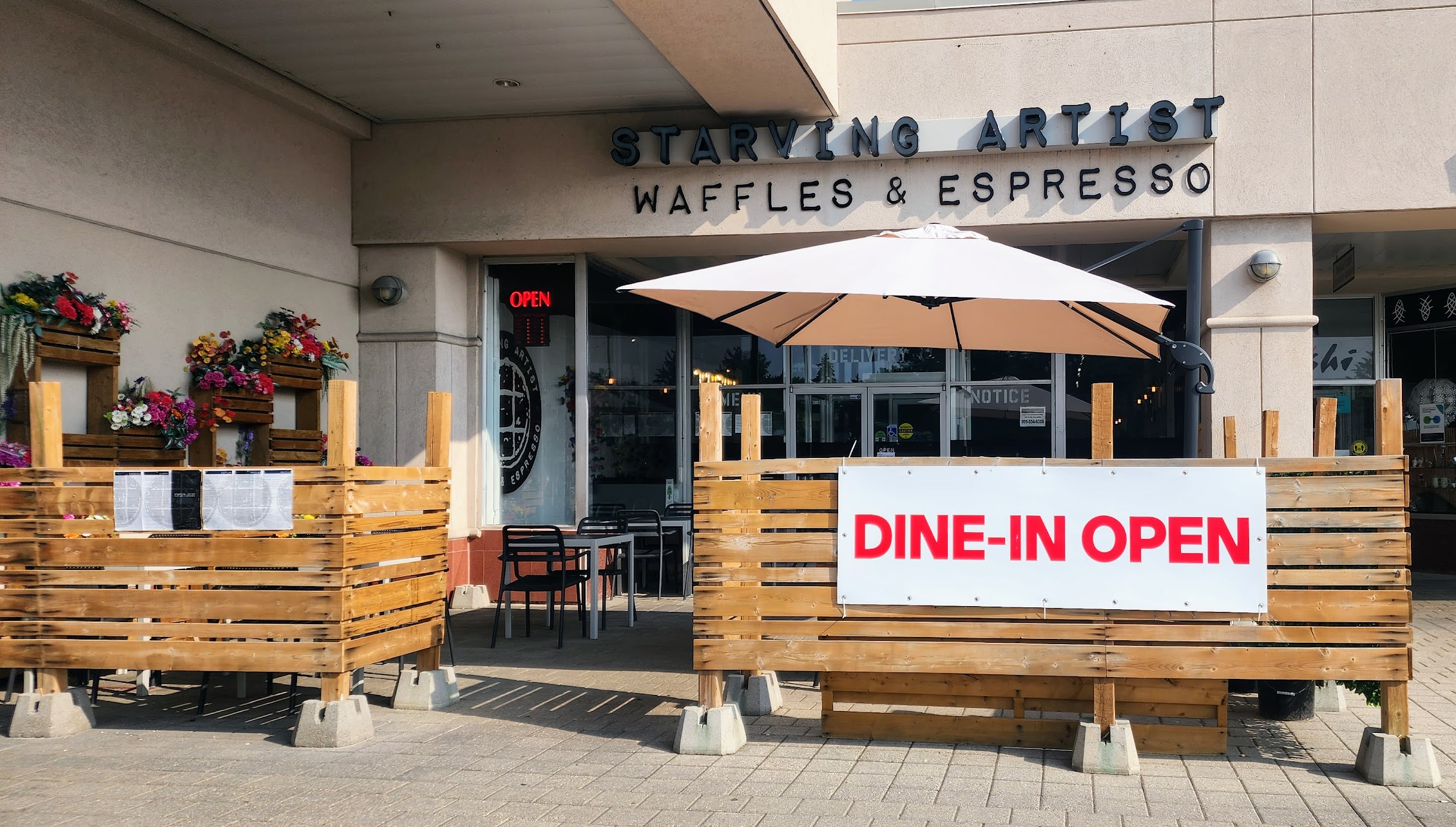
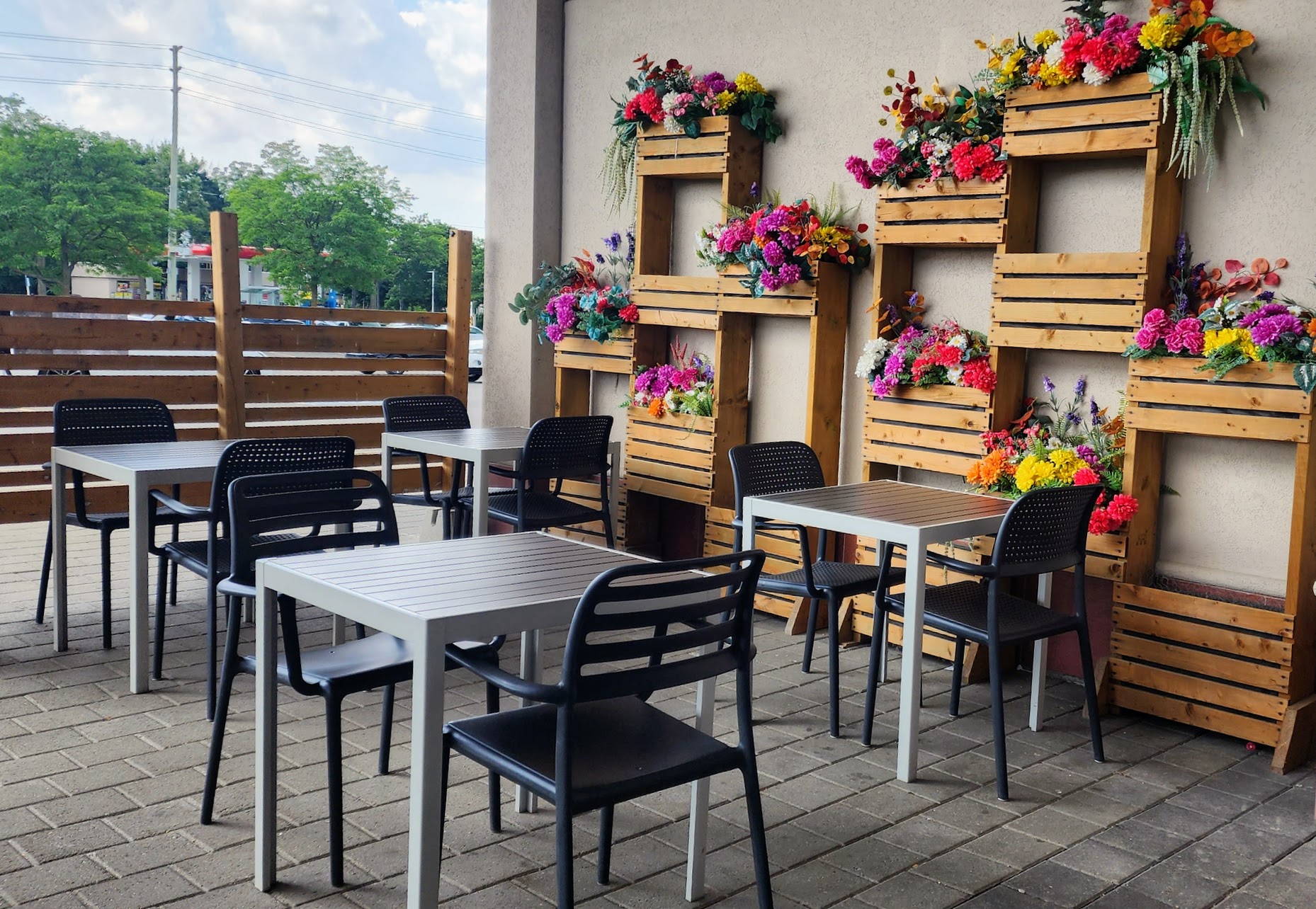
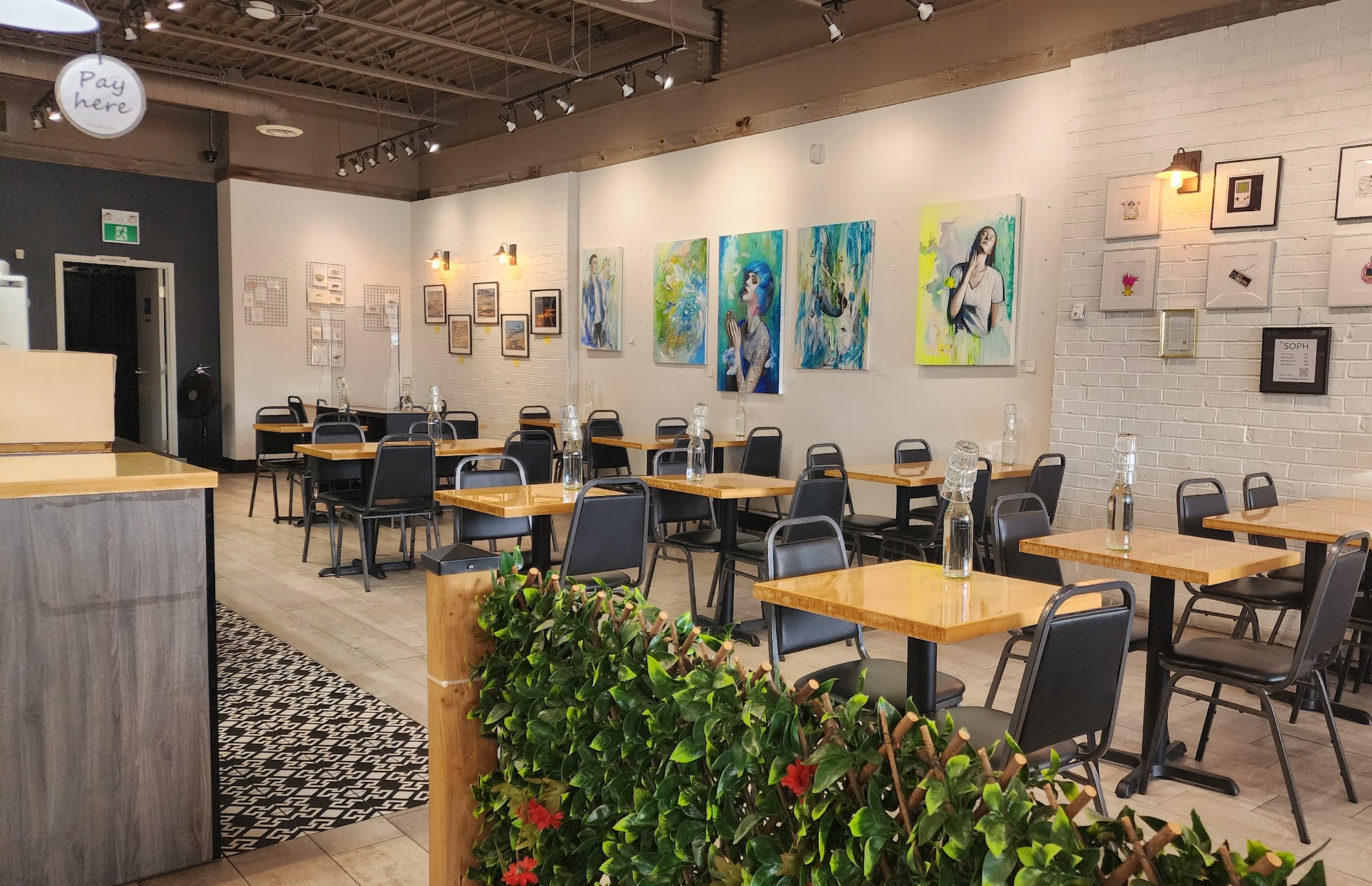

Starving Artist Waffles & Espresso, Markham, Ontario
The Starving Artist is a franchise. The walls are lined with artwork by local artists! The best time to work here is when it opens at 9:00 a.m. as it’s quiet and relaxing. They serve all day brunch and everything comes with waffles!
Contemporary and creative vibe. Service was friendly and attentive.
Heads up: Lots of free parking! Small but pretty outdoor patio. Gluten-free options.
Aaniin Library (Markham, Ontario)
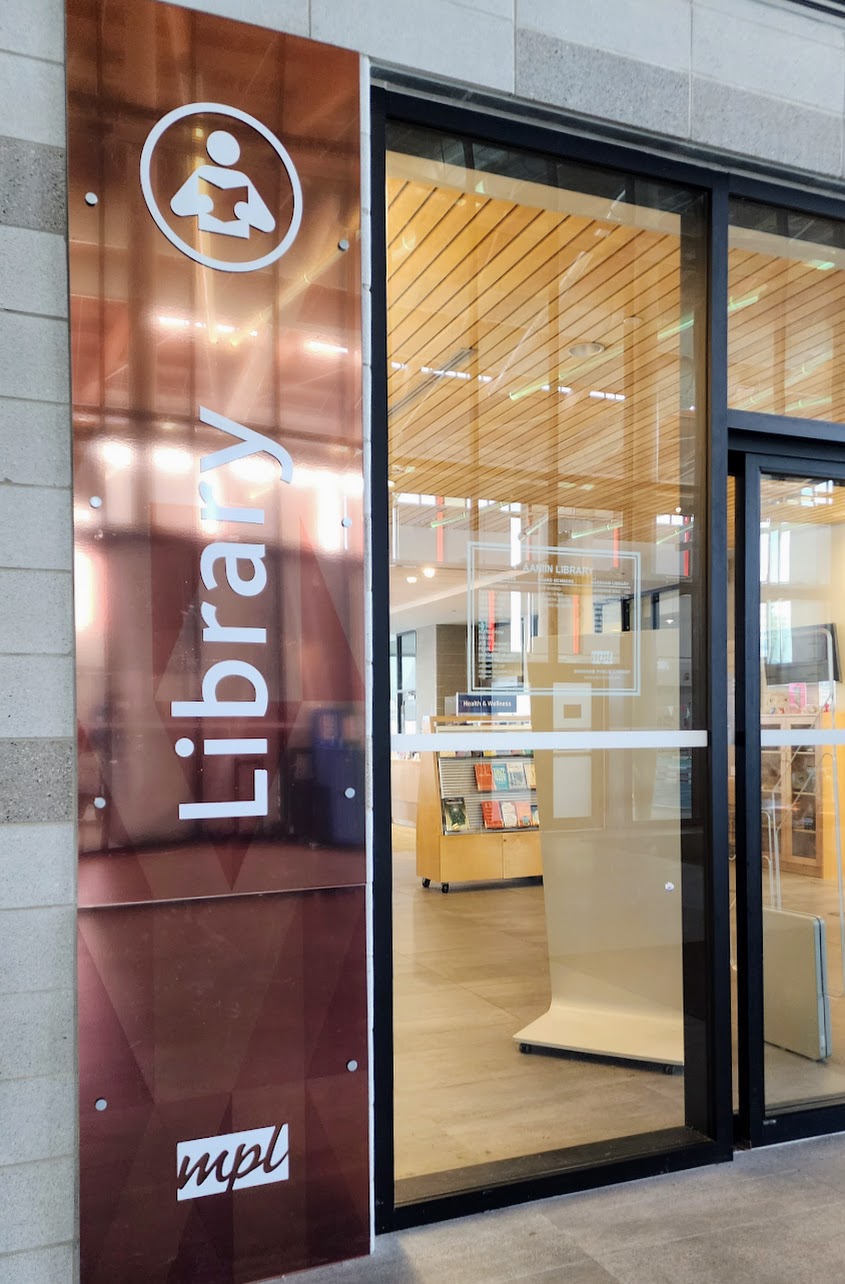
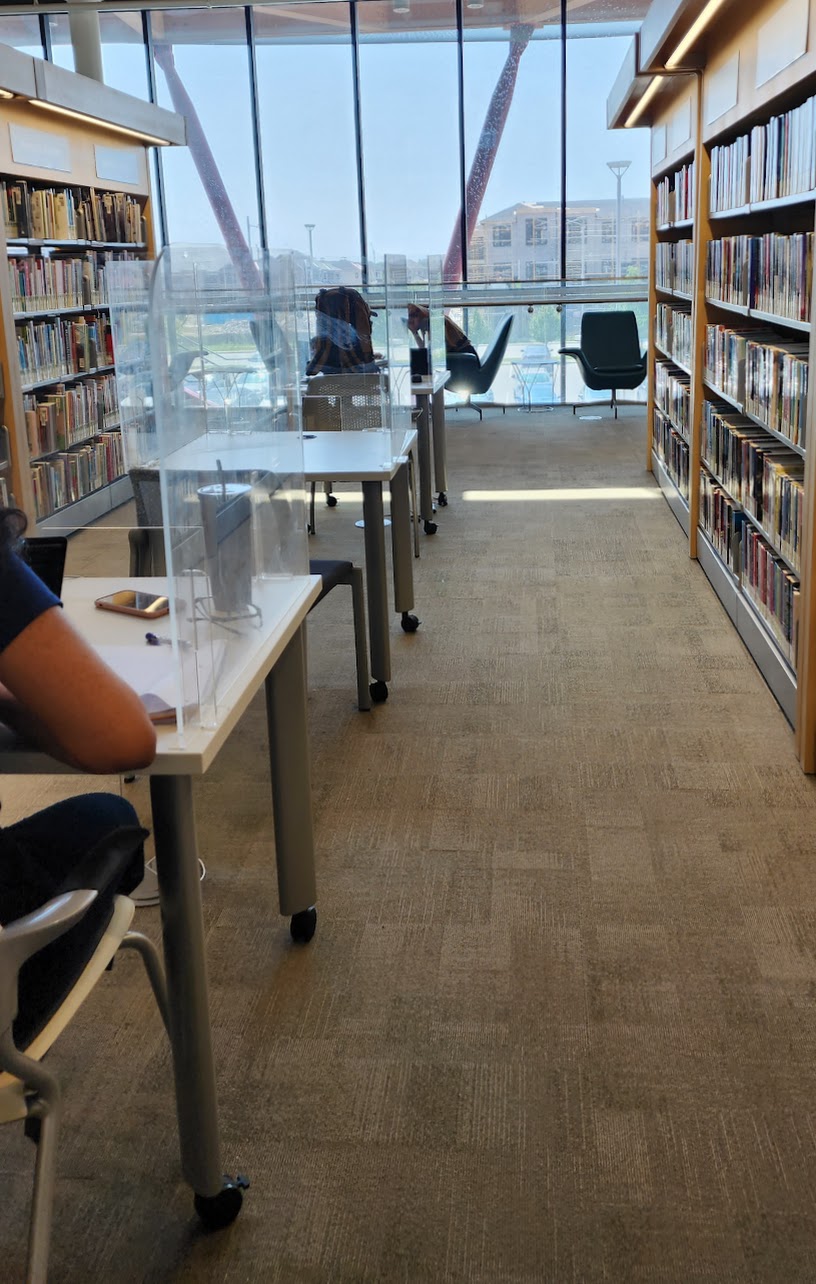
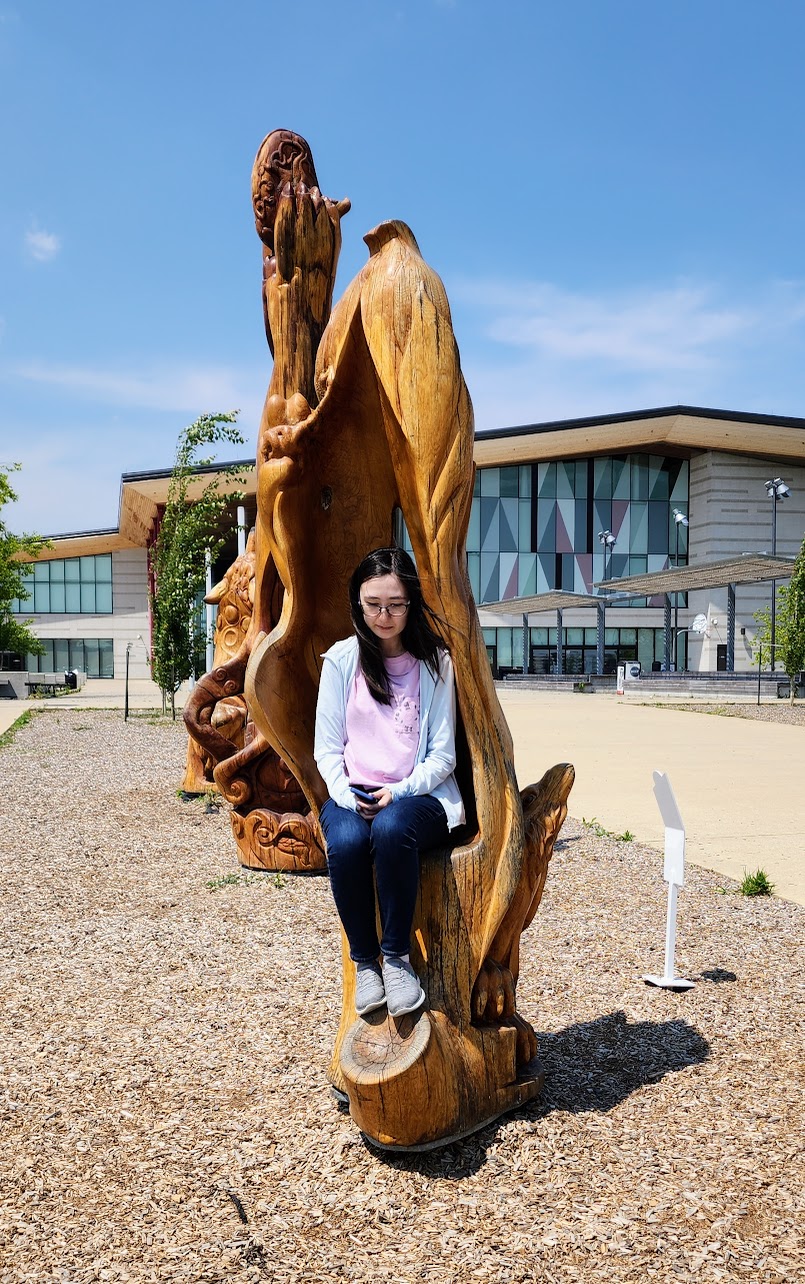
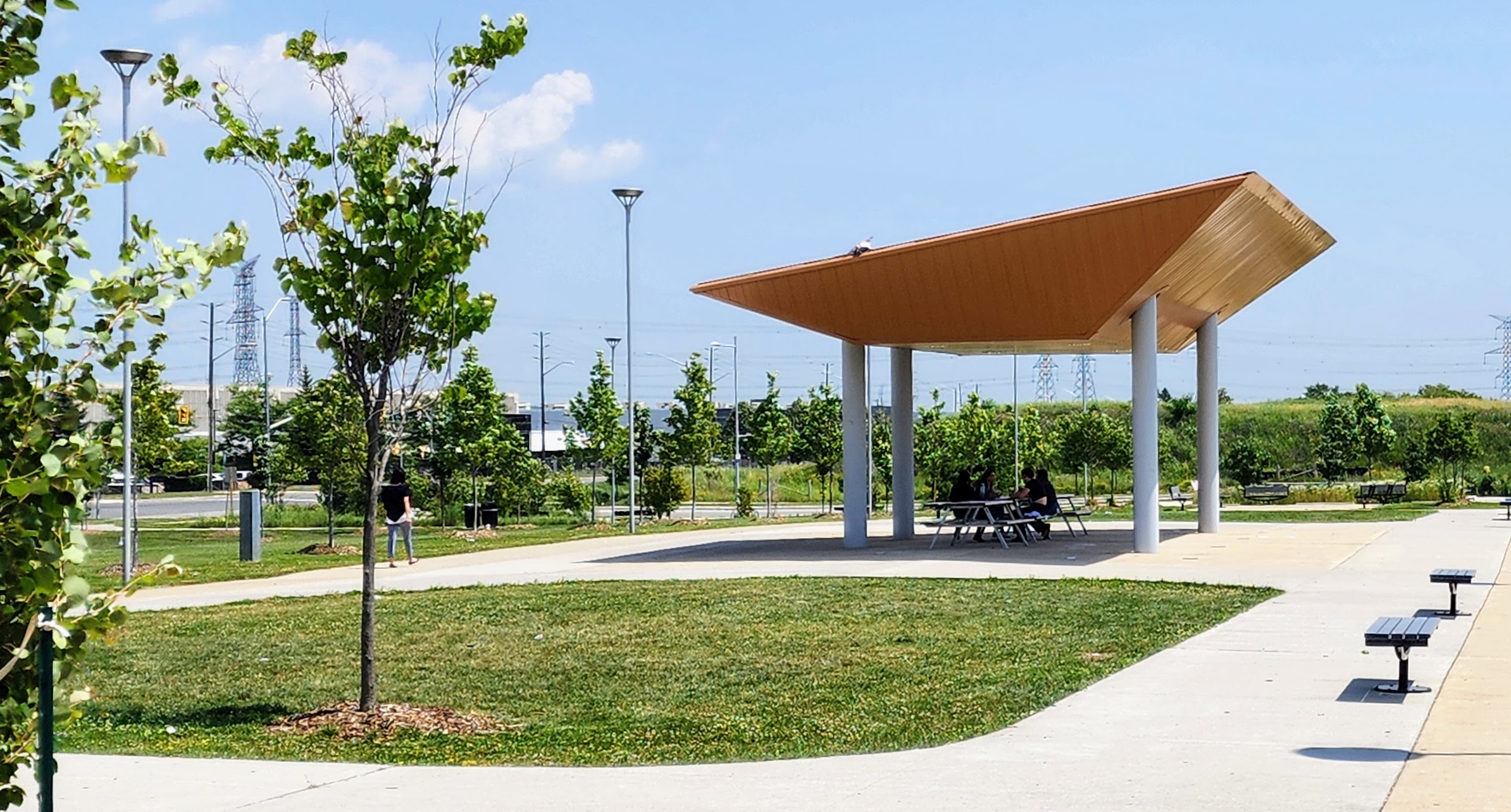

This Markham Library branch is inside the Aaniin Community Centre. “Aaniin,” pronounced “ah-nee”, means “hello” or “welcome” in Ojibwe. Seven stunning wood sculptures, inspired by the Seven Grandfather Teachings and the Indigenous Ways of Learning, stand outside. Also outside is a sheltered spot to work and eat. The library has plenty of places to work with lots of natural lighting, places to plug your laptops, as well as state-of-the-art 3D printers and laser cutters!
Heads up: The café seems closed. The library is open seven days a week but hours vary. Lots of free parking. The library is part of a community centre so there’s plenty else to do. For example, there’s even swimming pools across the hall from the library!
Stae Cafe (East Markham, Ontario)
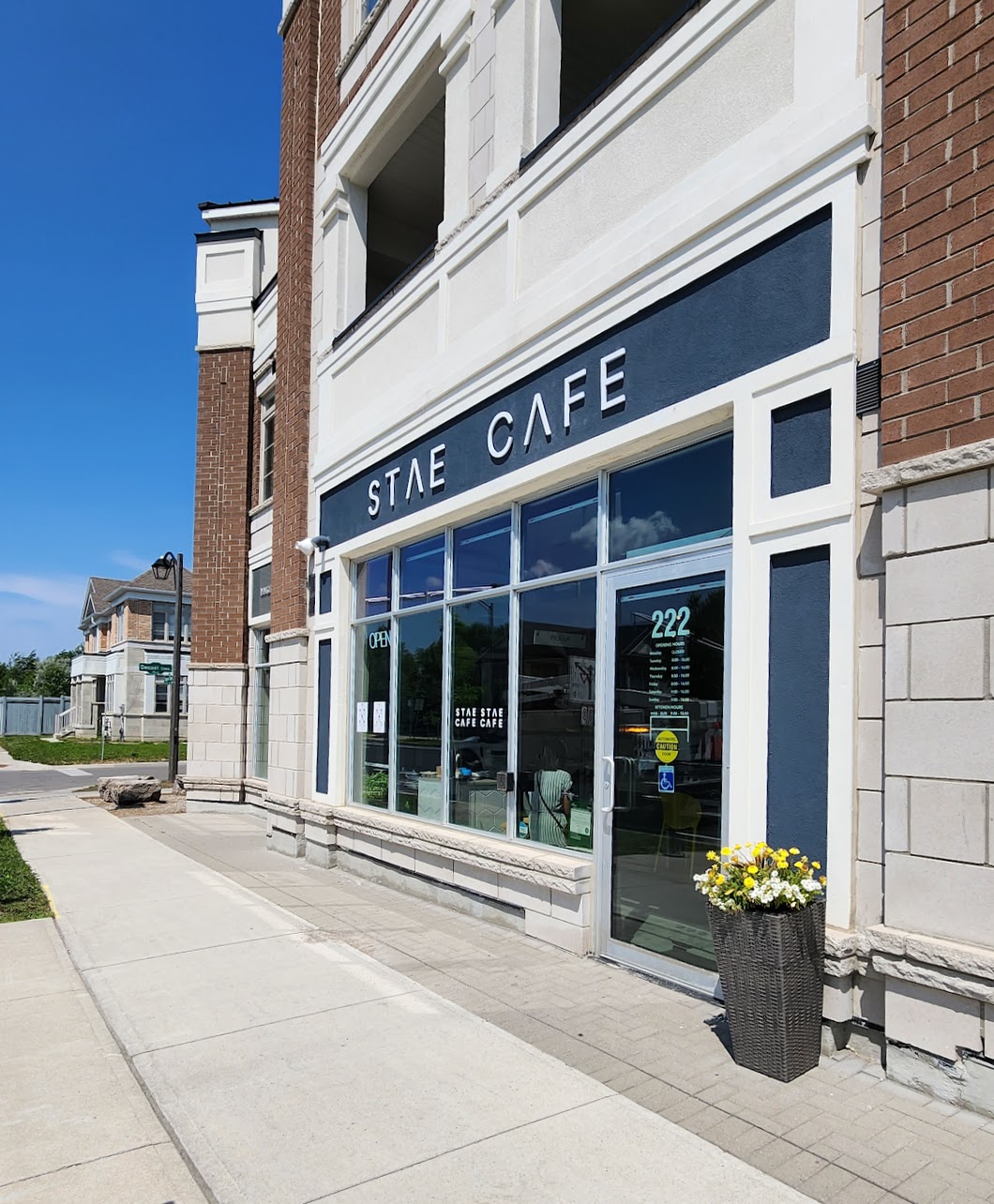
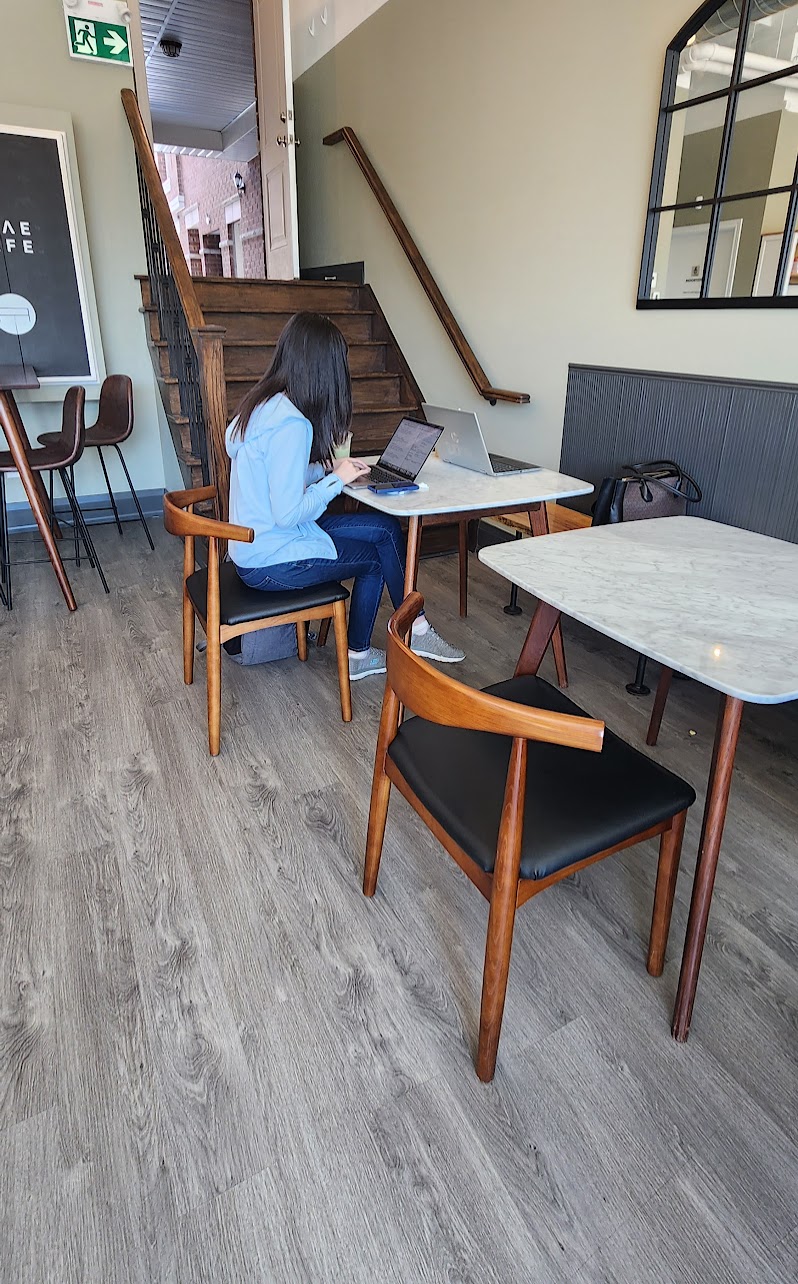
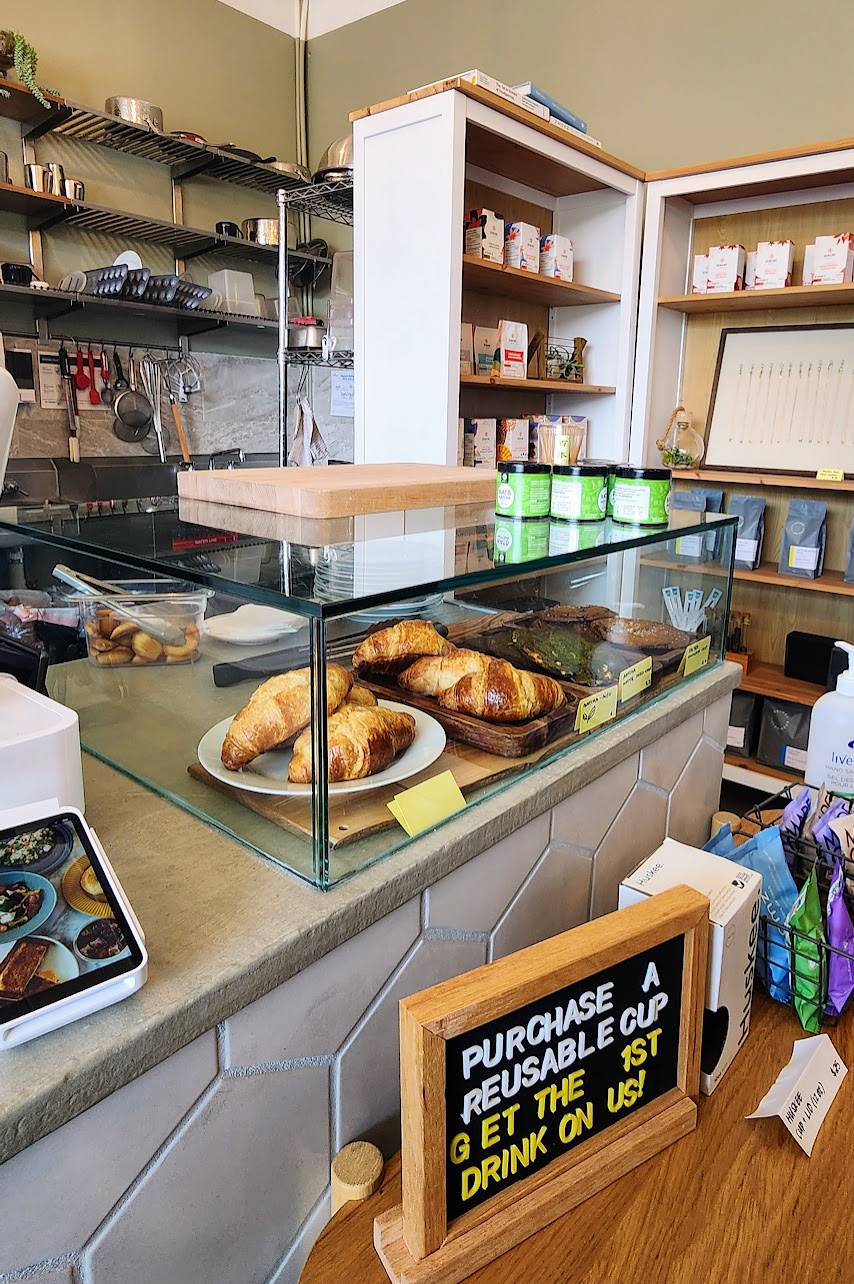
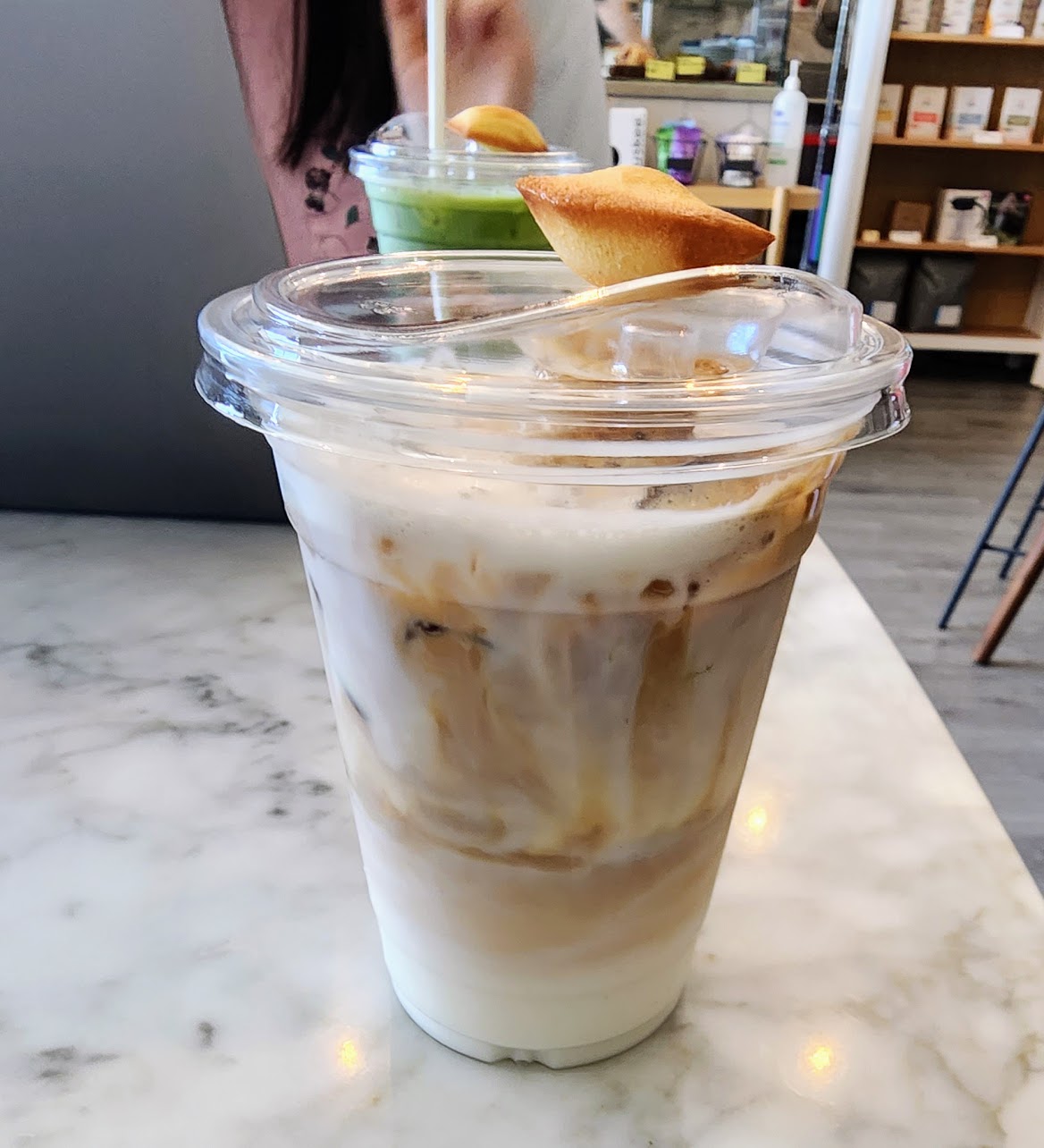
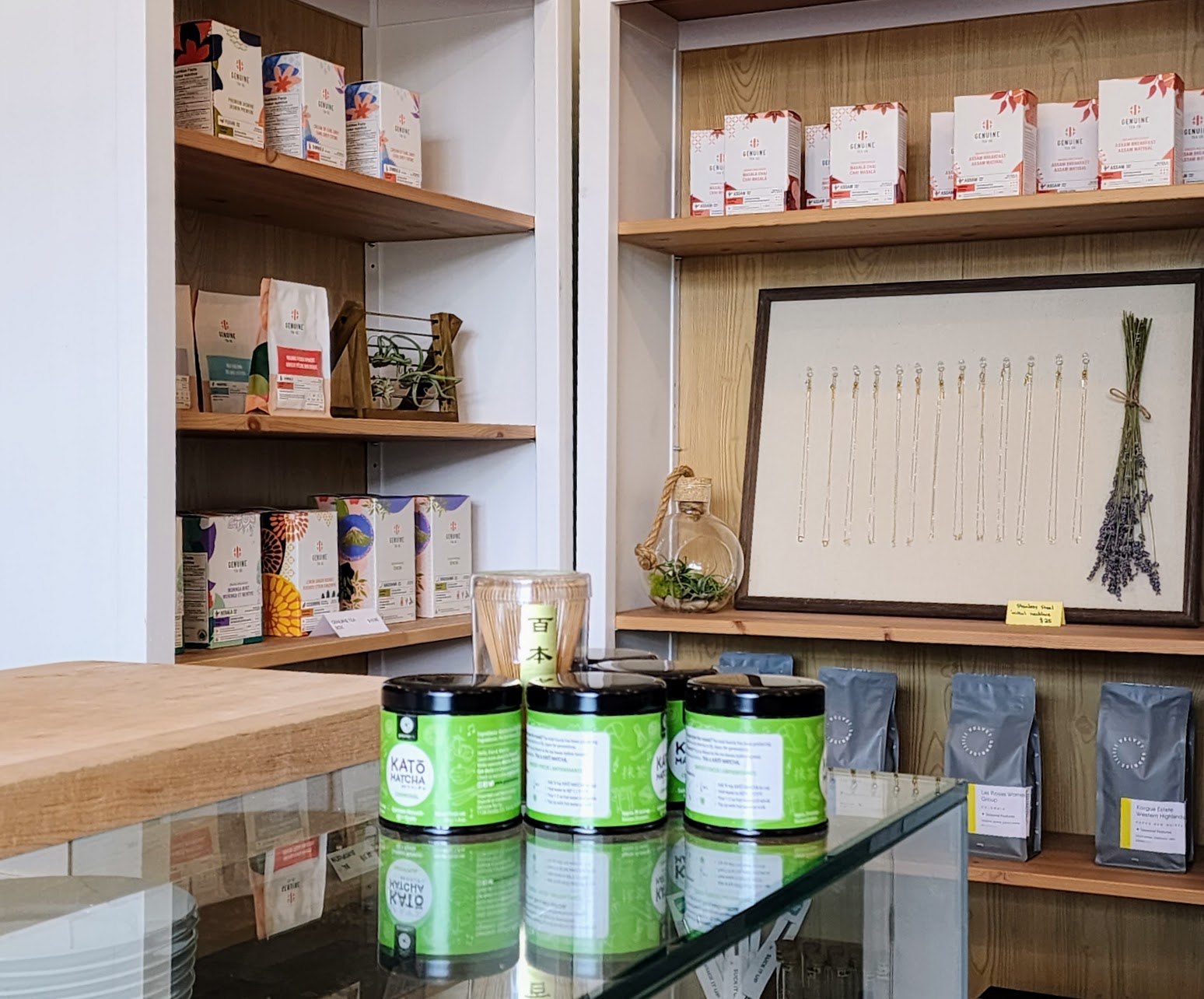
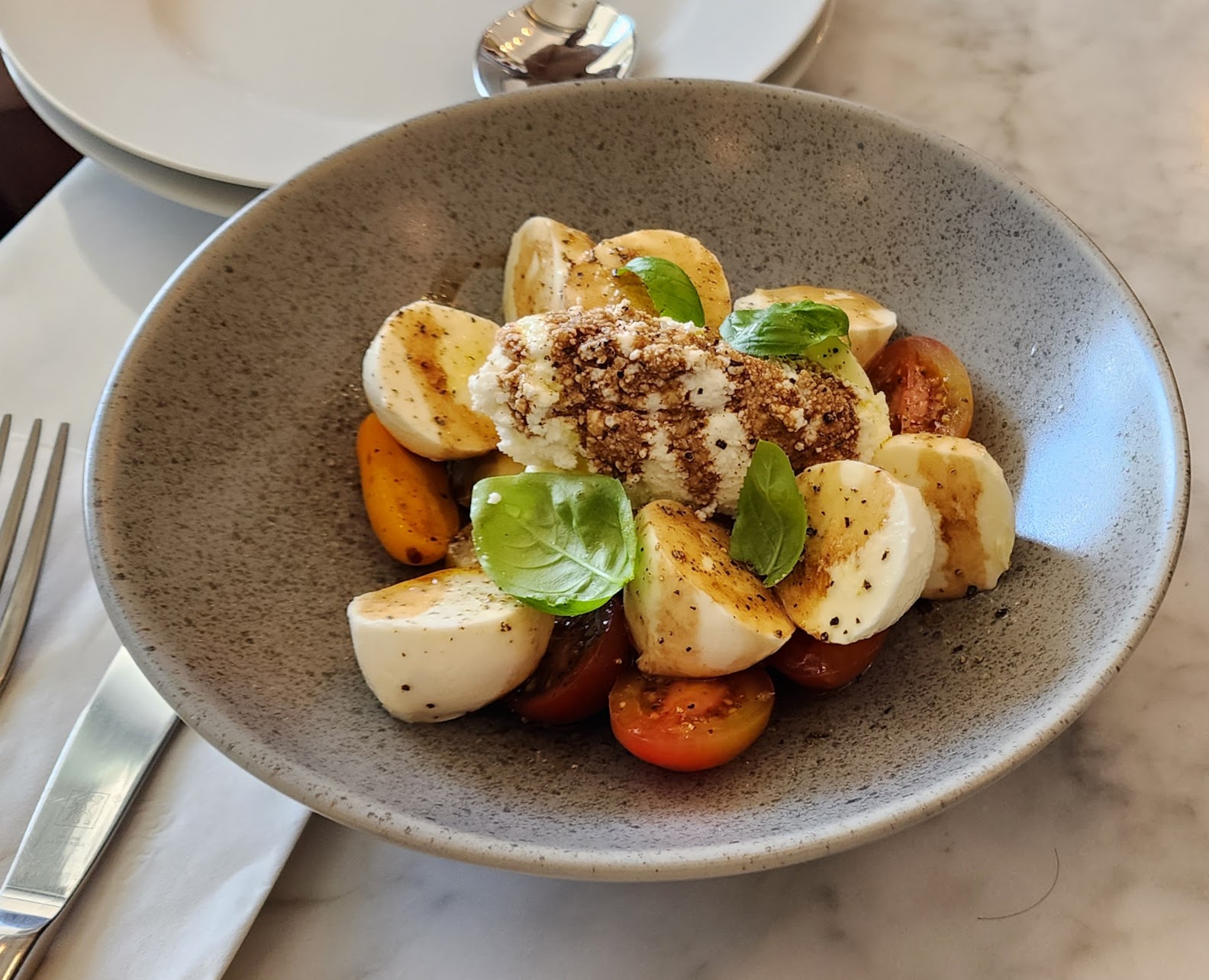
Stae Cafe, East Markham, Ontario
When we arrived at 10:00 AM, the place was busy but quickly found that most people took their coffees to go. We were able to work peacefully, while cooling down with some delicious iced lattes. We also enjoyed a light lunch. Soft music played in the background.
The café has a modern and cozy vibe. Service was courteous and efficient.
Heads up: The café is small; noise cancellation headphones is a must if background noise bothers you. Lots of natural light. Roadside parallel parking in front of café. Closed Mondays.
Some thoughts

While cafés are often convenient and fun places to work, it’s important to keep a few things in mind.
They are places of business. We always made sure to have something to eat or drink at our table. We typically spent between 1.5 – 2 hours in one place. This meant we usually got a coffee/tea along with something to eat (usually a light lunch).
To respect the space we occupied, we avoided spreading our things (books, laptops, etc.) over multiple spaces, even if the place was empty.
We fully charged our devices at home to avoid the stresses of looking for outlets to plug into. While free Wi-Fi was available in the cafes, we were careful about the potential security risks with using them, and worked offline most of the time.
Check the café’s website and reviews for helpful hints about working there. Information, such as shop hours, can change over time. Don’t forget your headphones!
Final tips
As much as possible, don’t ask a stranger to watch your valuables. It’s often awkward for the person being asked (what if they were planning to leave?) and disrupts their work flow. Someone once asked me to watch over their laptop. They were gone for 20 minutes before returning with food from a nearby restaurant!
Cafés are not our personal workspaces. Avoid long phone calls or online meetings; voices project, including laughter. (Although as a writer, eavesdropping in public spaces certainly fosters great dialogue and better fiction!)
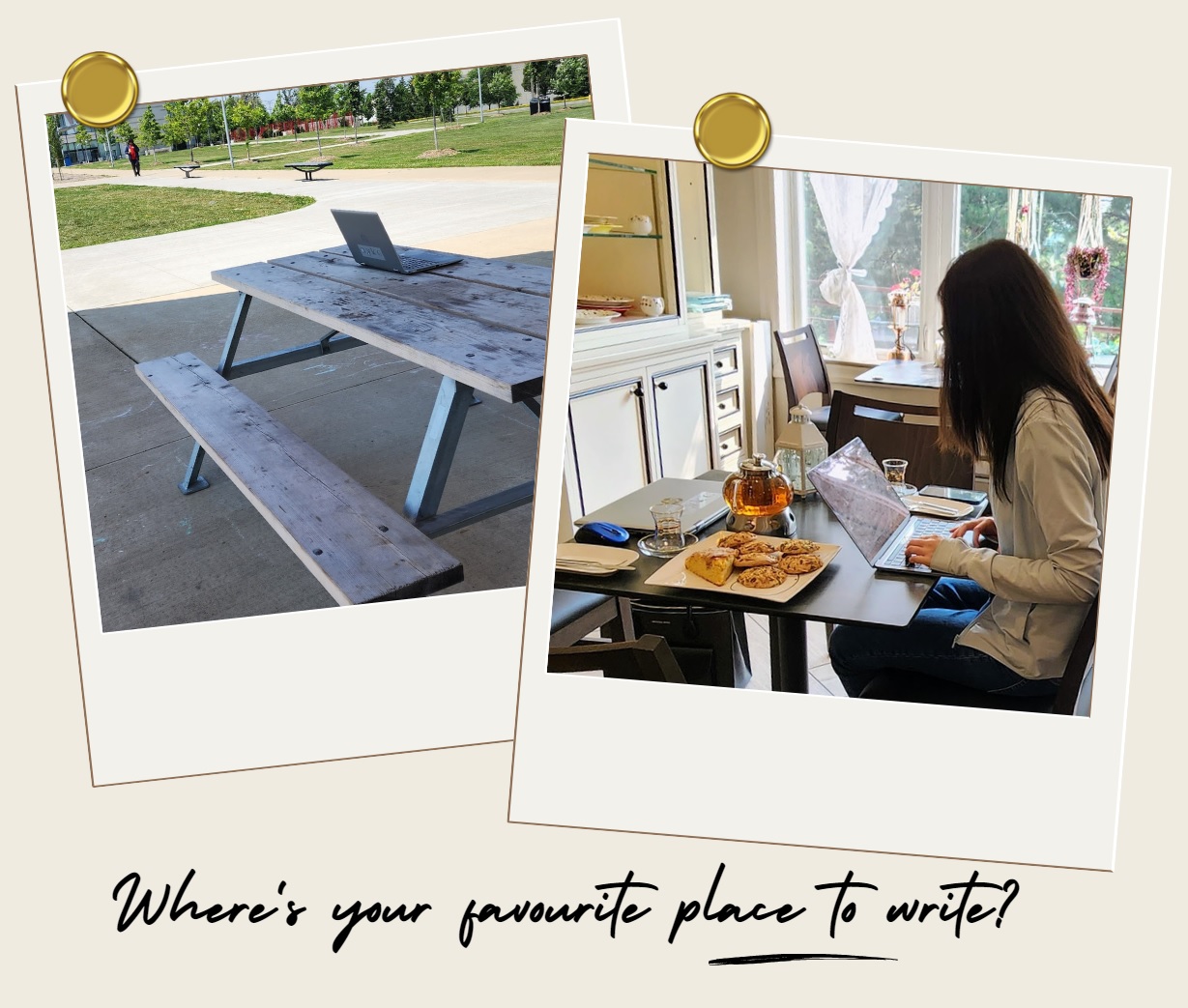
Q & A with A(ndrew) & A(nn)
Posted on July 17, 2022

Long time members of the same writing group, Andrew Fruman & Ann Yu-Kyung Choi candidly answer three questions about writing and mental health.
This post was originally published on the 11th Floor Writers website on December 28, 2020
| Question 1: What benefits does writing have on your overall mental wellness? |
| Andrew: It’s a release for what’s going on in my head. So it can be therapeutic, in a similar way to talking things out. There have been many periods in my life when I have been depressed, including recently, and writing has helped me during those times. And it doesn’t just provide me with an outlet, but does so in a creative and constructive manner. Ann: I struggled with clinical depression in my teens and my twenties. All my counsellors and therapists advised me to write, so for the longest time I associated writing with pain. Every misery, every thought of self-harm and suicide – everything I could not tell even my closest friends – I buried in my writing. Even now as I write this my heart is pounding, but that’s okay. I’ve been in a good headspace throughout my thirties and forties, and now at 52, I’ve got a much better understanding of my mental wellness needs. This has allowed me to see that writing is simply capturing whatever my thoughts are at any given moment whether I’m working on a manuscript or journalling. |
| Question 2: What value is there in writing when you don’t feel like it? |
| Andrew: I often don’t feel like writing. Maybe I’m tired, or I don’t think I have the right mental energy for it, but once I start going, it doesn’t take long for those feelings to change. Just sitting there getting the words out, pushes my brain in the right direction, and I’m always thankful I chose to persevere through my initial reservations. Ann: Writing has become part of my regular routine just like any job. That said, there are different types of writing. I still journal but only when I’m feeling crappy. It allows me to clear my head since the more I’m able to communicate my thoughts, the better I understand where I am emotionally and mentally. Writing is different from talking to someone since we’re tapping into different parts of the brain. It requires a lot of mental and creative energy. We’re trying to bring order to our thoughts. I feel my brain hard at work when I’m trying to come up with the right word and phrasing or trying to synthesize complex ideas and emotions. Even now as I write, I feel focused and productive – which is a good thing when I’m not feeling in the mood to do anything else. |
| Question 3: How does being part of a writing community help you move past barriers or obstacles in the writing process? |
| Andrew: It’s hard to be your own critic. Whether that’s from a positive or negative standpoint. I find that’s especially true if I’ve been working on something for a while. So receiving regular feedback is necessary in gaining perspective on my work. Being part of a group also provides an encouraging support system, which helps make writing feel like less of a solitary pursuit. We all help each other and it’s exciting to see us grow together. Ann: Being part of a writing community has allowed me to expand my understanding of living the writer’s life. Most of us juggle multiple writing projects, deal regularly with rejection of our written work, and balance family and other professional responsibilities. Being together for as long as we have has allowed a strong sense of trust to develop. We are willing to share and take risks with our writing because of that. This is immensely important because of the emotional vulnerability involved with sharing works-in-progress. I really appreciate the diversity of ideas and opinions that each person brings. It is also gratifying to witness and to be a part of others’ professional growth and success. |
How a Painting and a Piano Inspired Me to Pay Attention
Posted on July 27, 2018
This post was originally published on The Drake‘s blog, April 27, 2016.
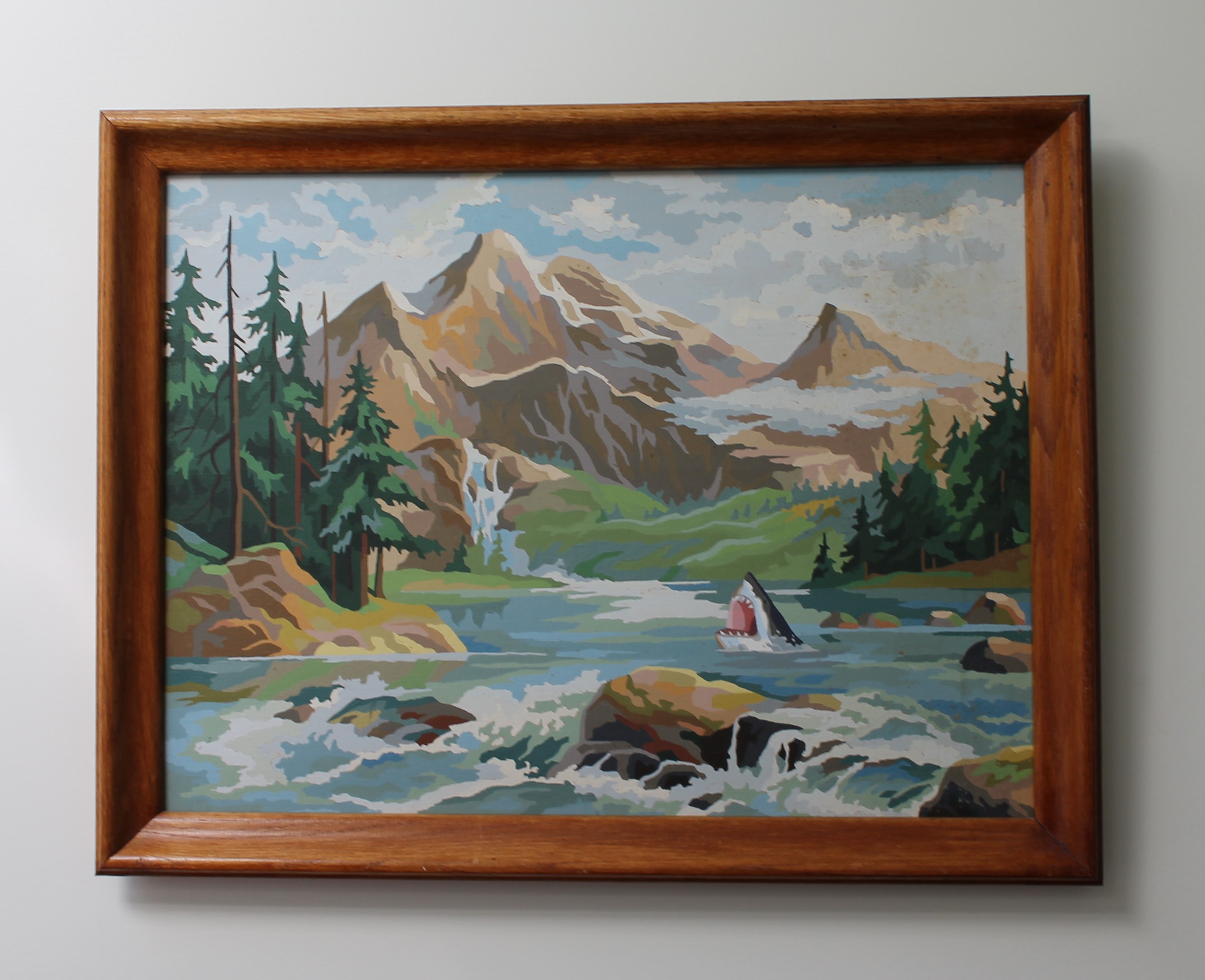
Painting in my hotel room at the Drake Devonshire
As a writer, details are important. So, I was beside myself when I realized that a landscape painting hanging in my hotel room suddenly revealed a great white shark, its jaw wide open, sharp white teeth exposed. I had glanced at the painting several times throughout the day. How had I missed the shark? What else had I been missing by not paying attention? I decided to retrace my steps and walked through the Drake Devonshire again, this time determined to pay greater attention. I sat at the bar fighting any urges to get up and do something. Why did I constantly feel a self-imposed pressure to stay busy? Then, I realized the longer I stayed in one place, the more I noticed: the scent of lemons and limes combined with dishwasher detergent lingering in the air, the squeak of chairs on wooden floors behind me.
I stepped outside. The lake was sparkling with the sun’s rays directly over it. I closed my eyes. Again, I fought the urge to move on and tried to stay in the moment. I heard rushing water, the wind, voices. Nearby, on the lawn, was a piano. After being left outside and exposed to every season, it looked like a ghost. I read the inscription: Piano Listening to Itself. I close my eyes. Again, I heard the stream. The wind. Then, I remembered a promise I had made once-upon-a-time to an old friend, now lost to me.
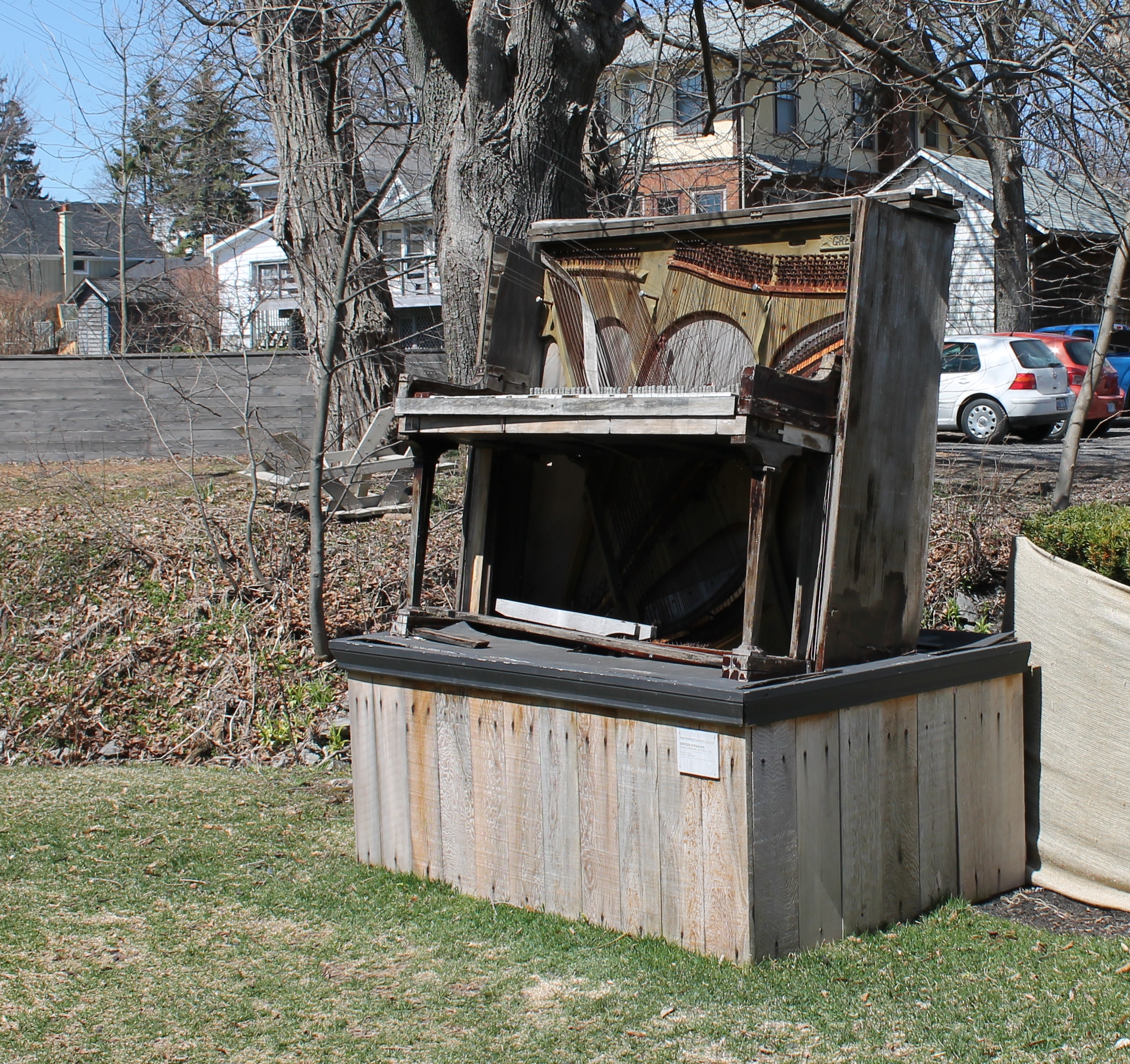
“Piano Listening to Itself”
I met Cathy while we were undergrads at the University of Toronto. I was the type of student who sat at the front of the class, but she insisted that the back was the best place to be: “It’s the only way you’ll see everyone and everything.” Before long, I found myself in the last row of all my Sociology classes. Together we survived long hours of lectures. Cathy had a keen eye for fashion and would make it a point to observe the quirkiest details about how some of our professors dressed. She especially hated white socks with black shoes and threw invisible darts at anyone who committed this fashion faux pas.
We celebrated our twentieth birthday over ten cent wings and cheap beer at the Sticky Wicket, a pub on Spadina Avenue across from the university. Cathy joked that we would celebrate our thirtieth birthday in better fashion, in a gourmet French restaurant, and for our fortieth birthday, after she had travelled the world and I had written a bestseller, we would celebrate by sipping real champagne in Paris, France, under the glittering night lights of the Eiffel Tower.
In the summer of 2008, Cathy and I took our much anticipated trip to Europe in celebration of our fortieth birthday. Our trip didn’t begin without a few glitches. We were in the air already when the pilot announced that one of the engines wasn’t working, and so Cathy and I would have to sit in darkness for the entire six hours that it would take us to get to London. While the other half of the plane enjoyed TV and movies-on-demand, Cathy and I couldn’t even turn our overhead lights on to see what Air Canada was feeding us for dinner.
But Cathy, her spirit undaunted, thought that our descent into darkness was the perfect opportunity to discuss and plan how we would celebrate our fiftieth birthdays. She thought Africa sounded intriguing. The woman in the next aisle agreed that it was an excellent idea and suggested a Kenyan safari. She told us that safari meant ‘long journey’ in Swahili – which would be fitting for two old friends celebrating their fiftieth birthday. The gentleman in front of us suggested the Egyptian pyramids but to avoid it during the summer months because it got terribly hot. By the time we got to Heathrow Airport, Cathy had befriended half the plane in spite of the fact that she couldn’t see any of them in the darkness!
London was cold and wet. But Cathy didn’t notice the rain. Everything, from Buckingham Palace to the ‘look left’ and ‘look right’ signs painted on the streets, delighted her. However, when we finally got to Paris, her initial reaction to the Eiffel Tower was: “That’s it?”, which made us laugh like school girls. One of my favourite memories was toasting our friendship, drinking champagne as we looked upon a glittering blue Eiffel Tower sparkling against the night sky. I can still hear Cathy’s voice saying, “Isn’t life amazing?”
That night Cathy and I had some of our most random conversations ever. At one point, she turned to me and said, “You’re the English major: what does it mean exactly to ‘kick the bucket?’” I was impressed by the long list of euphuisms she knew to describe dying. Then she asked me what I wanted to be remembered for after I died. “A writer, of course,” I told her. I wanted to be known for my thousand bestselling novels. When I asked her what she wanted, she simply stated, “I’d want people to remember me as a happy person.”
A few months after our trip Cathy grew ill, and after a short and brutal battle with a rare cancer, she passed away. She had been my best friend for over twenty years. During one of our final conversations, as she lay in her hospital bed, she expressed her deep regret at not being around to see my first novel be published one day. “Promise me,” she said, “that when you get your big chance, you’ll remember to sit at the back of the class. That way, you’ll see everything. Just remember to pay attention so you can appreciate it.”
Pay attention. By the time I drove away from the Drake Devonshire, I was convinced the place was a poem, a song, art itself. It demanded time and tranquillity to appreciate everything it had to offer. Guests, if we allowed it, could step into magical places like the Glass Room where apple-green and pink elephant-shaped chairs greeted us and old pianos played lost tunes, but only if we stopped to listen.
The Great Genevieve Graham
Posted on June 27, 2017
I had the pleasure of moderating the Enemies, Allies and Antiquities: From Versailles to Acadia panel with historical fiction authors Roberta Rich, Sally Christie and Genevieve Graham at Toronto Public Library’s Appel Salon. Genevieve was kind enough to provide responses to several questions I asked, and has given me permission to share them!
 Genevieve graduated from the University of Toronto in 1986 with a Bachelor of Music in Performance (she played the oboe) and began writing in 2007. She is passionate about breathing life back into history through tales of romance and adventure, and loves the particular challenge of capturing Canadian history. Her previous novel, Tides of Honour, was a Globe and Mail bestseller for eight weeks. When she isn’t writing, she can be found relaxing with her husband and two grown daughters, teaching piano to children in the community, or tending her garden along with a friendly flock of heritage chickens. She lives in a tiny town near Halifax, Nova Scotia.
Why do you believe your historical novels are so popular with modern readers? How do you make your historical subject accessible to readers?