MFA in Creative Writing
Posted on December 3, 2016
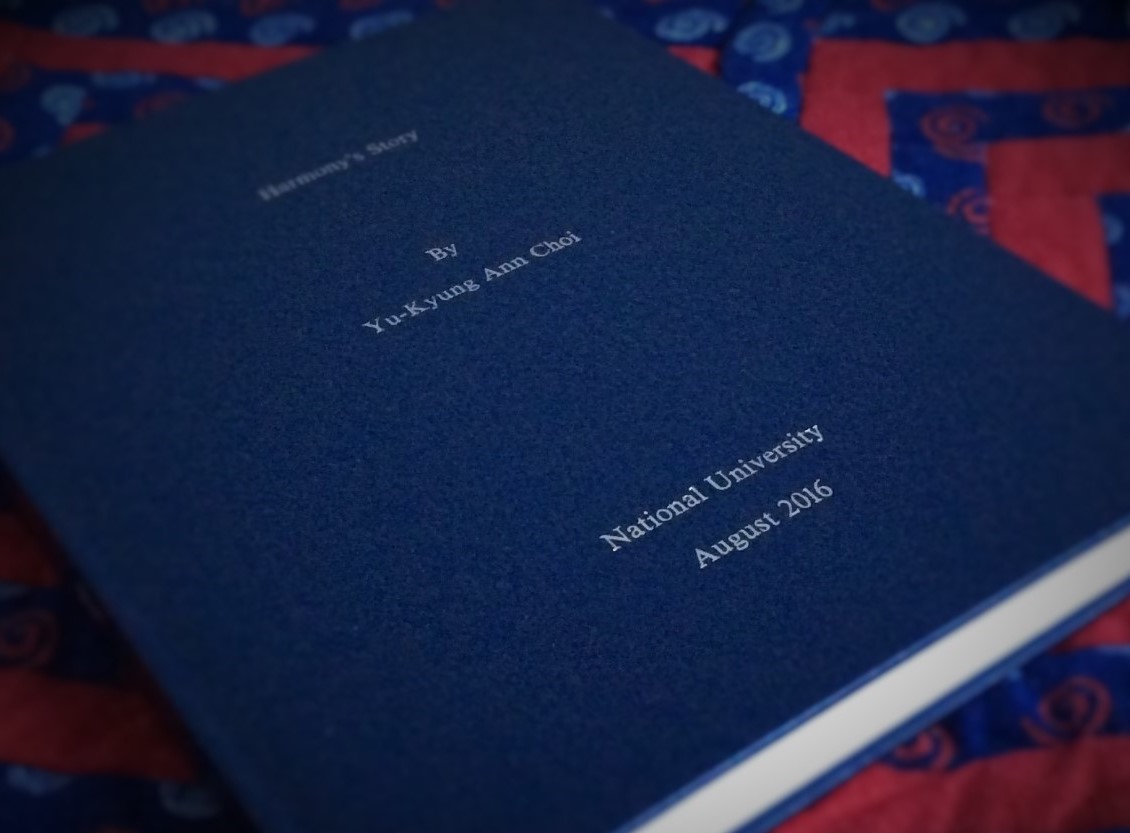
A copy of my thesis which I hope to turn into my second novel
Choosing to complete my MFA studies in Creative Writing at National University in San Diego, California, was one of the best things I did to develop as an author. The following is an excerpt from a reflection paper I wrote for a course. A special thanks to Professor Bryan Hurt, my thesis adviser, and Professor Frank Montesonti, Academic Program Director, for their guidance and support throughout my studies.
I want to be less worried about making mistakes and have more fun with the writing process. While reading fiction gives me great pleasure and satisfaction, writing fiction is too often filled with insecurities, sometimes crossing the line into dread and despair. I know from having written about this in one of my courses that many of my insecurities as a writer stem from past experiences as a former ESL student struggling to learn English, and some racial assumptions I faced (and continue to face) as an ethnic minority.
But I want to move beyond the negative spaces that occupy the writer in me. What I want to focus on as I move forward is this: Each of my courses has provided me with the opportunity to consider aesthetics in poetry, fiction, and creative nonfiction. It is one thing to delve into writing, where pouring words onto paper is like throwing paint against a graffiti covered wall. It is another process entirely to consider creating art as one writes; to consider writing a poem using the abecedarian form and to experiment with constrained writing to see where it takes me. The desire to create art in prose commits me to take more risks, to play with form, style, and structure as I explore the possibilities around me using language and the written word.
My goals in writing poems, literary fiction, and creative nonfiction are to inspire, provoke, and challenge the reader at some level. Earlier this year, my debut novel, Kay’s Lucky Coin Variety, was published. The entire process of writing that book and getting it onto bookshelves took nine years. I began writing Harmony’s Story, my second novel and thesis project, through National University. Set in 1924 before Korea became a divided nation, it is a story inspired by my great-great grandmother, Boon, and loosely based on her experiences.
Having written a novel already does not make writing this second one easier. I feel though that I have a greater understanding of what it takes to write one. Writing gives me a voice. My MFA studies have challenged and motivated me to refine that voice and the messages I want to deliver.
Focusing on my professional growth as a writer will help quiet the inner voice that is intensely personal and continues to struggle at some level with sharing my writing with others. However, unlike the first step I took as a writer years ago, today I am mindful of the process of creating art and appreciative of how I have changed and will continue to evolve as an author. I remain committed to my writing and moving forward with it.
Author Names & Book Titles
Posted on December 2, 2016
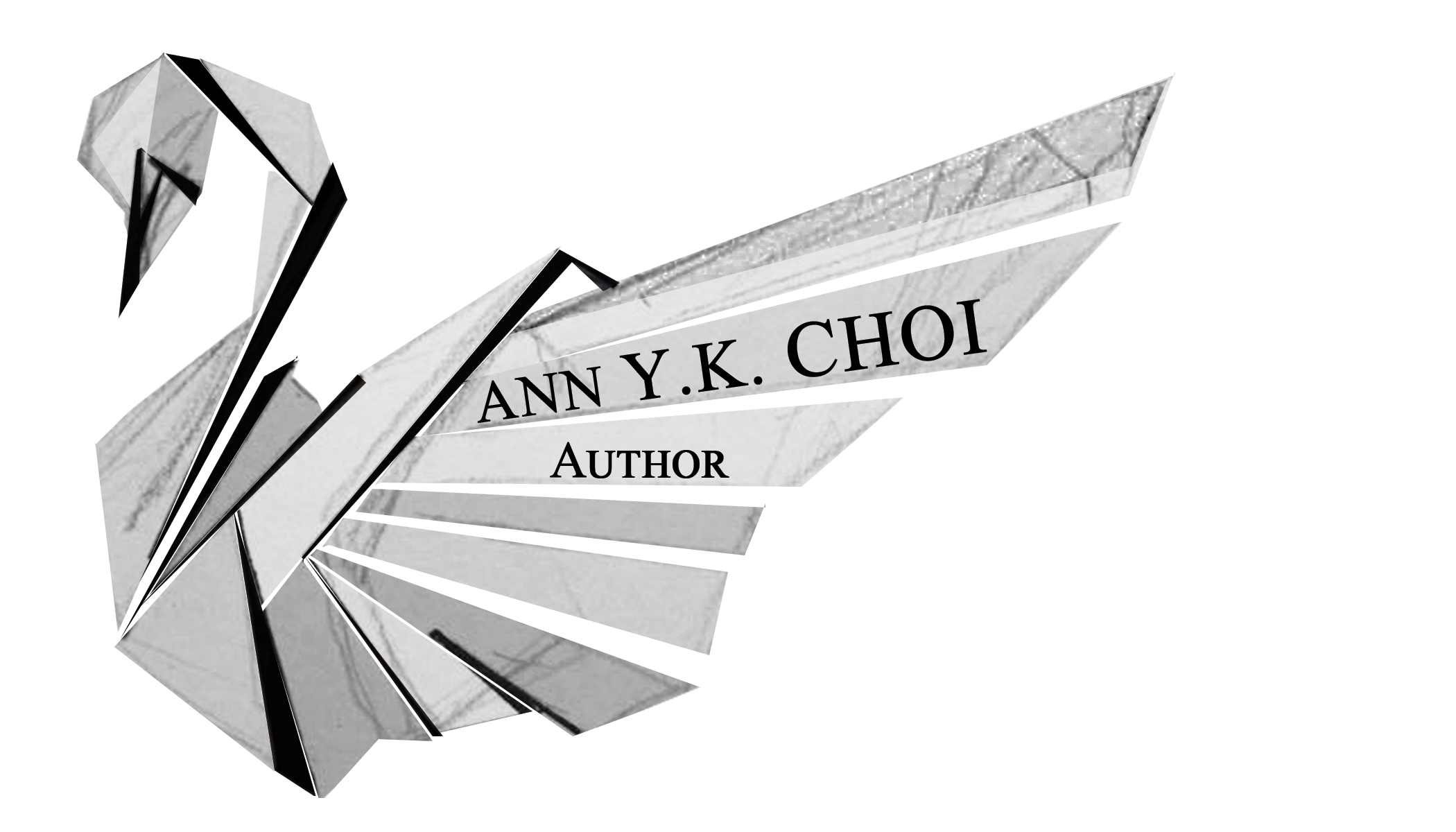
Logo designed by Darcy Morgan
One of my challenges after writing my book was deciding on what name to use as an author. It seemed like a simple decision, but in the end it proved to be a lot of work! I wrote an essay about it that was published by Writer’s Digest. You can read it here.
The other question I get asked a lot is about my novel’s title. Kay’s Lucky Coin Variety was not my original choice. I loved Paper Swan, a title that my editor came up with. The Ugly Duckling was my favourite children’s story growing up. I saw Mary, my protagonist, as the duckling that grew up into a swan. Origami swans are a motif in the novel. After much consideration and discussion, Kay’s Lucky Coin Variety was chosen. It reflects the story’s principal setting. As well, each word conjures different connotations that come together to create varied layers of meaning.
It’s December!!
Posted on December 1, 2016
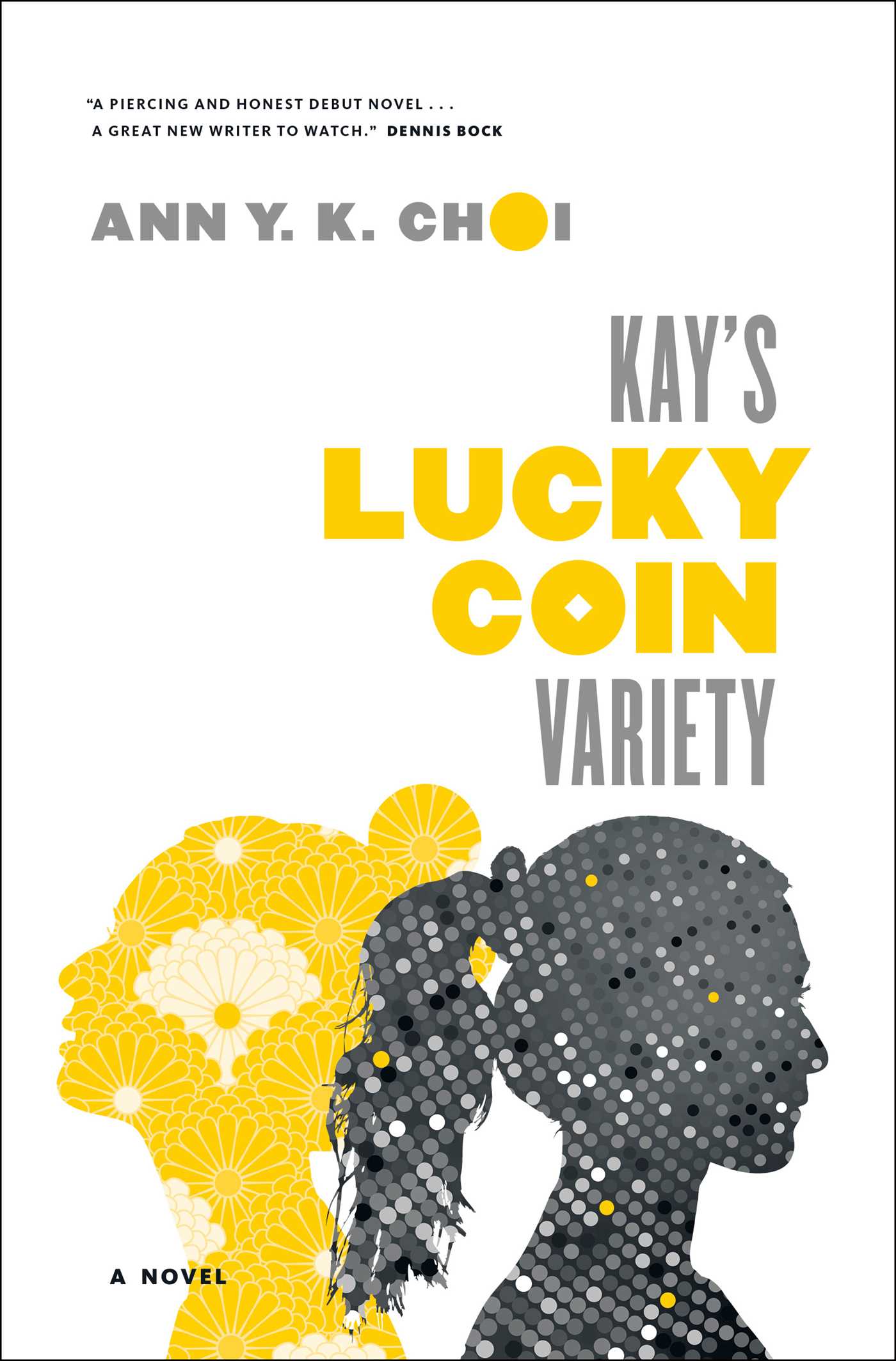
It took nine years from writing the book to publishing it.
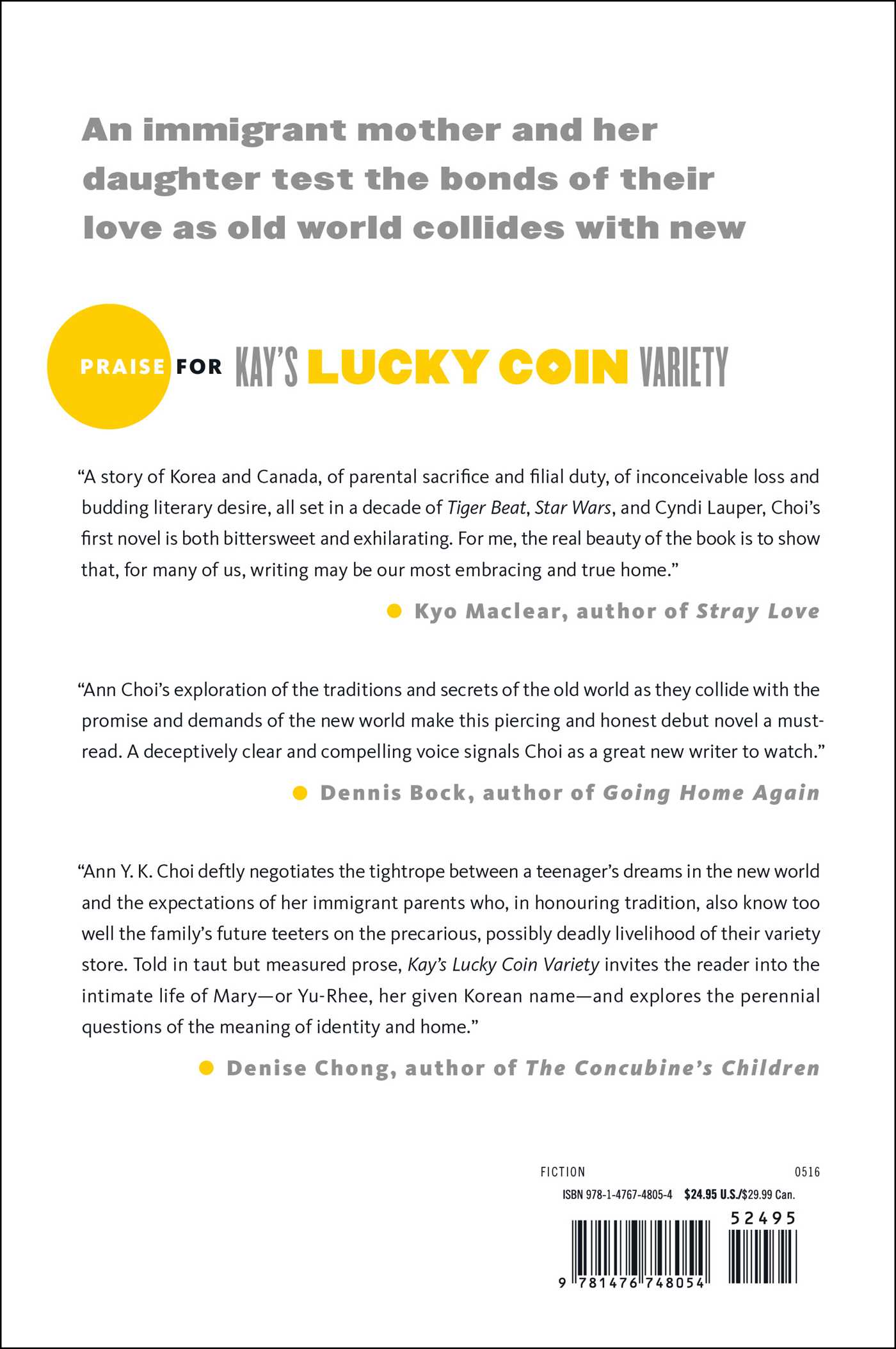
Click on the image to make it larger.
There’s been a few changes since I last posted a blog in the spring …
My debut novel, Kay’s Lucky Coin Variety, was released by Simon & Schuster Canada … I finished my MFA studies in Creative Writing … I’m now working on my second novel set in 1924 Korea …
It’s December. I think I’ll take some time to reflect on this past year … it’s been quite eventful!
Ann Radcliffe and the female Gothic genre
Posted on November 29, 2015
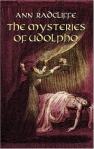
Radcliffe’s most famous work
One of the most challenging and rewarding courses I’ve taken is on Ann Radcliffe (1764-1823). Regarded as the principal creator of the female Gothic genre, Radcliffe is credited as establishing a standard and new formula for Gothic fiction which earned it great respect and a larger readership. Patriarchal authority and institutions were challenged and examined in the Female Gothic. Unlike male writers such as Matthew Lewis who wove scenes of sexual assault into their work, Radcliffe’s terrors come from implied or possible physical assaults, and the “explained supernatural”. Her essay, “On the Supernatural in Poetry”, examines how she distinguishes between “terror” and “horror”.
We read four of her six novels in class: A Sicilian Romance (1790), The Romance of the Forest (1791), The Mysteries of Udolpho (1794), and The Italian (1797). The Mysteries of Udolpho, which most recently inspired Guillermo del Toro and his movie Crimson Peak, is 672 pages long and is considered Radcliffe’s masterpiece.
Radcliffe is a great storyteller with an incredible sense of adventure. I found myself captivated by her exotic settings and intriguing characters. Although few modern readers have heard of her, Radcliffe has influenced several writers including Sir Walter Scott (1771-1832), Jane Austen (1775-1817), Edgar Allan Poe (1809-1849), and more recently, Flannery O’Connor (1925-1964) and Anne Rice (1941).
For more on Radcliffe:
Online:
Ann Radcliffe (biography)
Ann Radcliffe (Encyclopedia Britannica)
Ann Radcliffe – An Introduction
The Female Gothic – An Introduction
Books:
Davison, Carol M. History of the Gothic: Gothic Literature 1764-1824. Cardiff: University of Wales Press, 2009.
Ellis, Markman. The History of Gothic Fiction. Edinburgh: Edinburg University Press, 2000.
Heiland, Donna. Gothic & Gender: An Introduction. Oxford: Blackwell Publishing, 2004.
Mulvey-Roberts, Marie. The Handbook of the Gothic. New York: New York University Press, 2009.
Wright, Angela. Gothic Fiction: A Reader’s Guide to Essential Criticism. New York: Palgrave Macmillian, 2007.
11th Floor Writers
Posted on August 4, 2015
The guidelines we use to run our writing circle, The 11th Floor Writers, have been added to its website. I can’t believe that we’ve gone eight years. It helps that we follow a set routine: we meet the second Saturday of every month at the same venue, we rotate chairs, and everyone adheres to guideline expectations.
I’m currently working on my second novel, and continue to be grateful for the support and constructive feedback I get from this group.
Some online resources worth checking out:
A Workshop Guide for Creative Writing
A great place to start. The guide asks a series of questions we should be considering as we critique others’ work.
Tips for Revising Creative Nonfiction
The tips also apply for fiction writing.
15 Tips for Successful Writing Groups
A comprehensive guide with lots of useful suggestions and tips.
paper swan logo
Posted on July 10, 2015
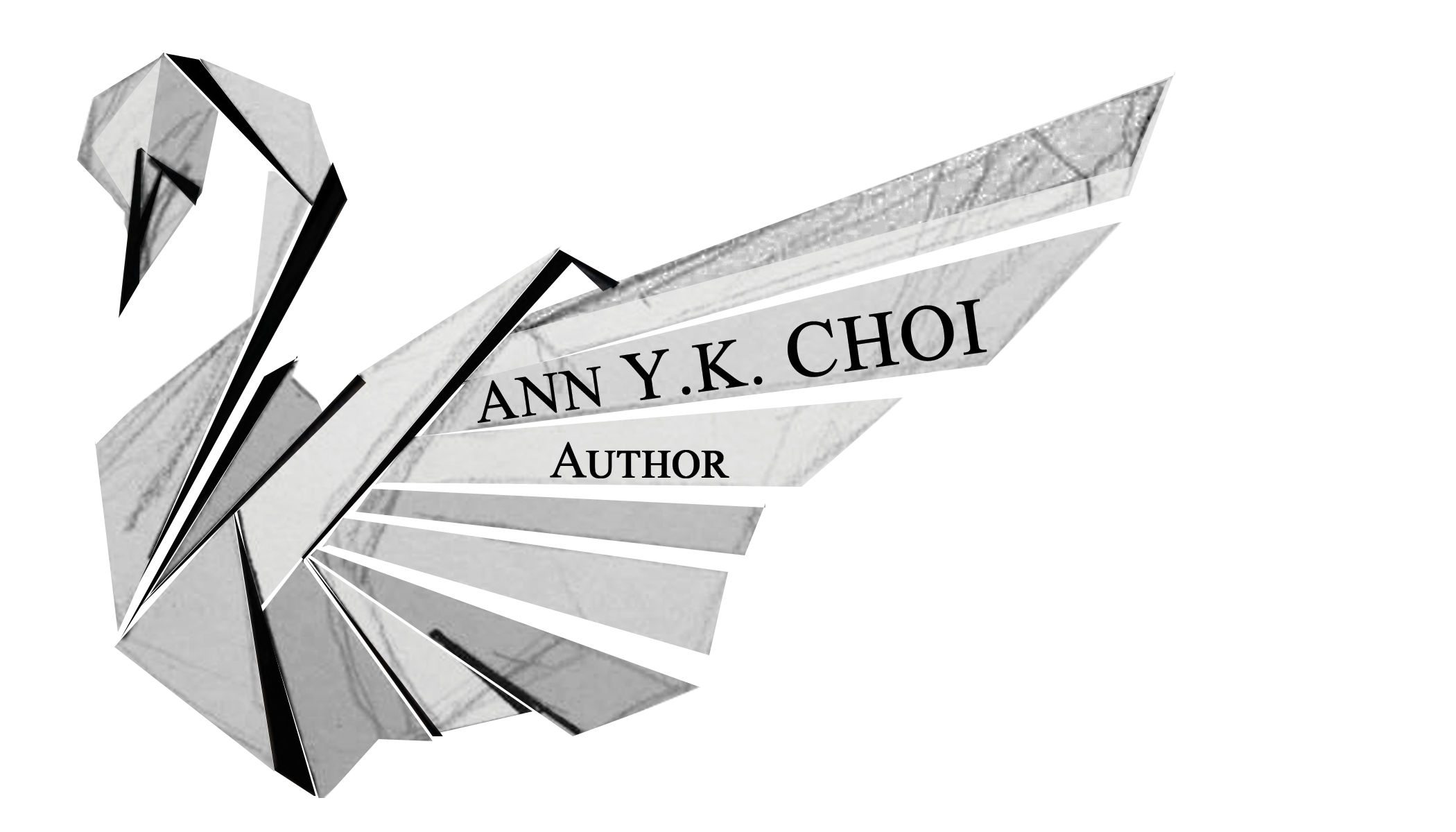
Logo by Darcy Morgan
Thanks to Darcy Morgan for creating this awesome logo for me. She embedded my initials (aykc) into parts of the paper swan (e.g., “A” makes up the beak, “Y” the neck).
I chose the paper swan because it captures the spirit of my protagonist, Mary, who is the “ugly duckling” that transforms into a swan. My novel, Kay’s Lucky Coin Variety (formerly entitled Cornered), will be released on May 3, 2016.
The art of bookbinding
Posted on May 10, 2015
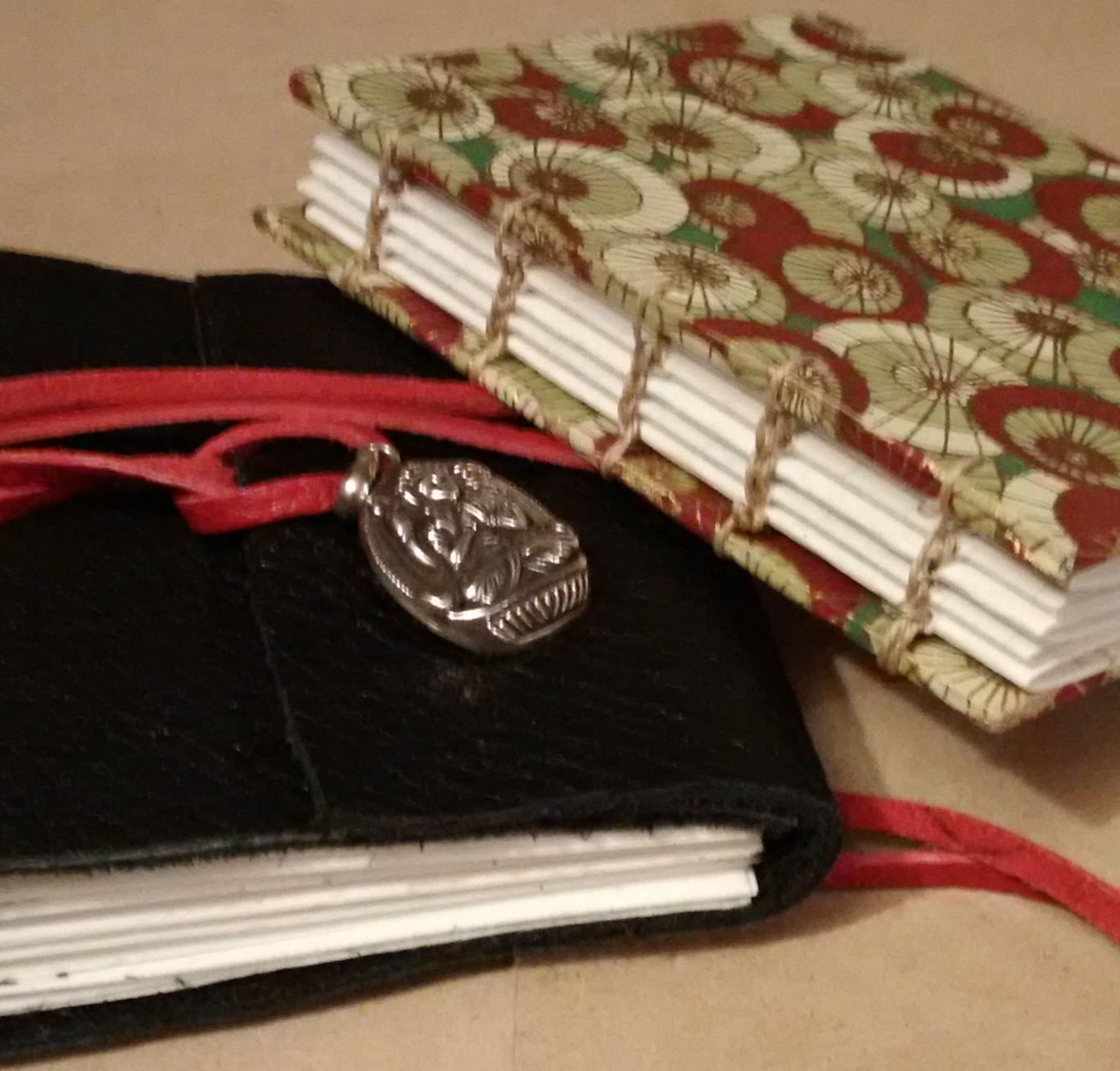
These are the books I made in the workshop
I recently attended my first workshop on bookbinding. Today, I spent the afternoon picking up some supplies and tools to keep practising the art. One of the stores my instructor, Vanessa, recommended was The Paper Place. Located in downtown Toronto, it’s a great shop that carries a wide variety of decorative Japanese papers, as well as the book binding and paper crafting tools needed for any book project.
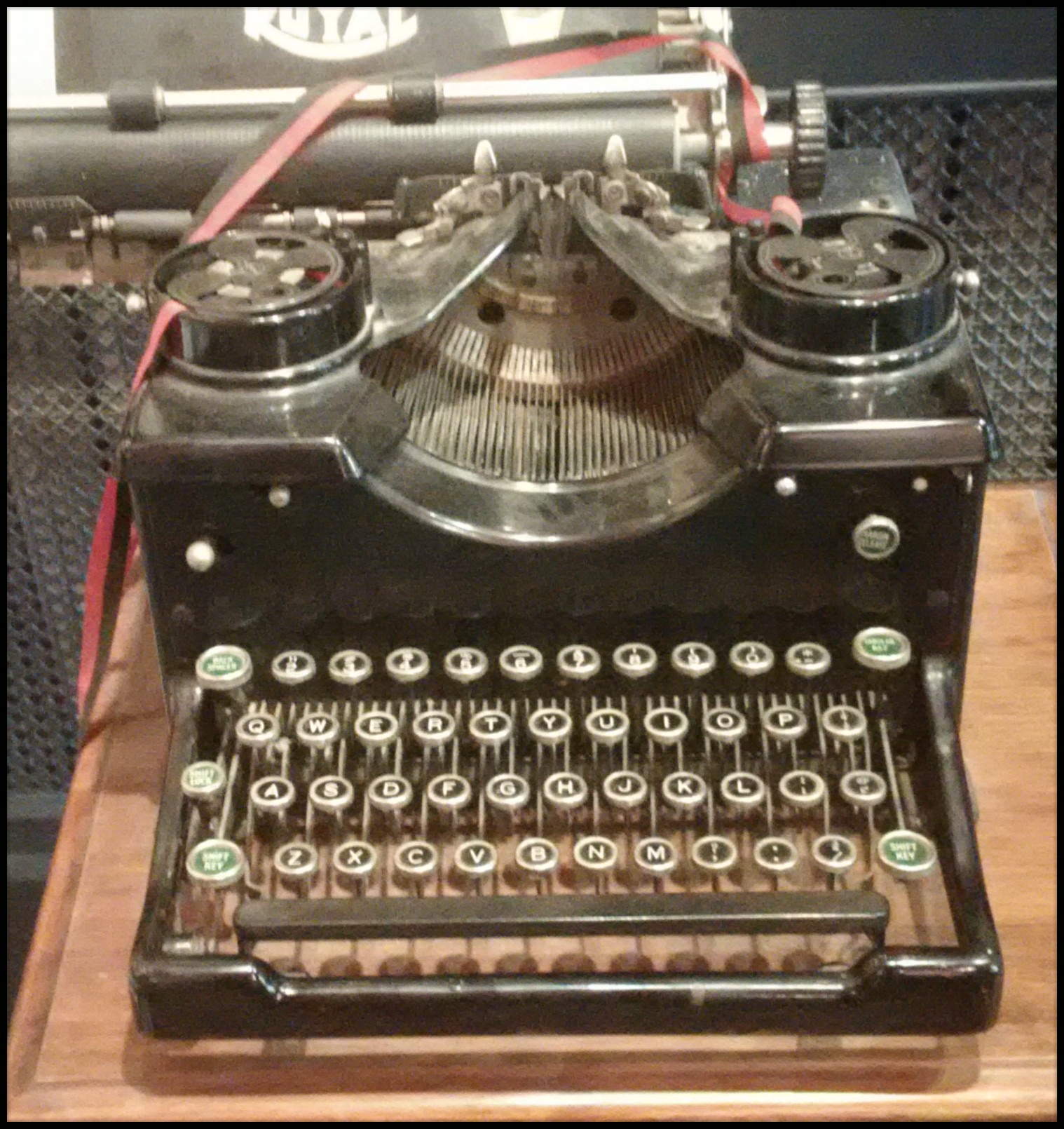
I learned to type on one of these!
After, I ended up wandering into Type Books, an independent bookstore, which is next door. This old fashion typewriter was on display there. It reminded me of the old manual typewriter I learned to type on decades ago!
I was happy that the store had Chang Rae Lee’s new book On Such a Full Sea , which I ended up getting.
Read more about bookbinding:
Bookbinding 101: Five-hole Pamphlet Stitch
Coptic Stitch Binding Tutorial (on youtube)
Editors and Writers
Posted on March 20, 2015
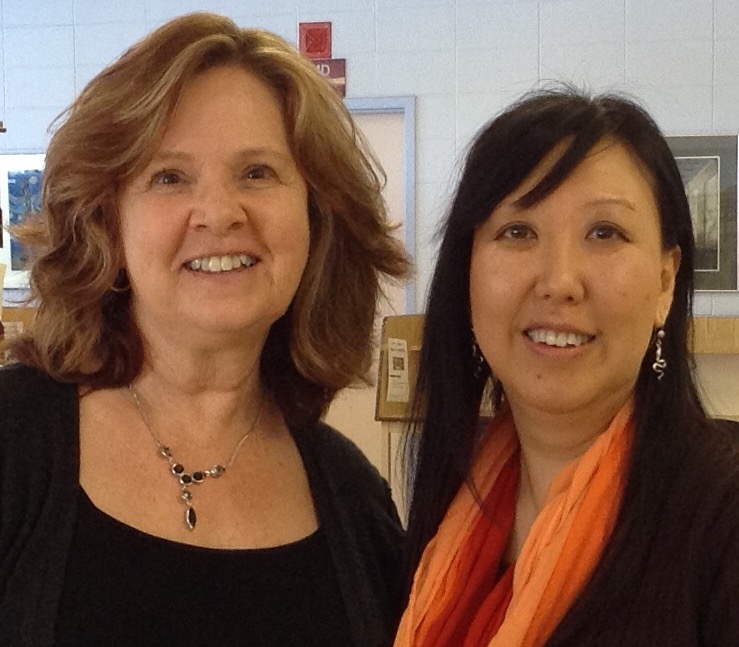
With Allyson Latta
I was finally able to thank Allyson Latta in person when I met up with her last month. She was a guest speaker at a Markham high school where she spoke to students about her work as a freelance editor. I was fortunate enough to work with Allyson on my first book which will be released early next year.
Allyson has worked with many prominent Canadian writers including two of my favourites, Marina Nemat and Lawrence Hill. Her website, full of guest posts, interviews, and all things that might interest any writer, is definitely worth checking out. Allyson also teaches memoir writing at the University of Toronto’s School of Continuing Studies.
 Thanks to a quiet March Break, I was able to finish reading a couple of books. One novel I would highly recommend is Michael Crummey’s Sweetland. After visiting Newfoundland a few years ago and falling in love with that province, I couldn’t resist reading this book. Set in a remote island community, our protagonist Moses Sweetland, fakes his own death and stays behind after everyone else relocates.
For more information:
Michael Crummey’s Sweetland is like a song of mourning – a review by The Globe and Mail
Michael Crummey: How I wrote Sweetland – Canada Writes
Paperbacks and fresh maple syrup
Posted on March 19, 2015
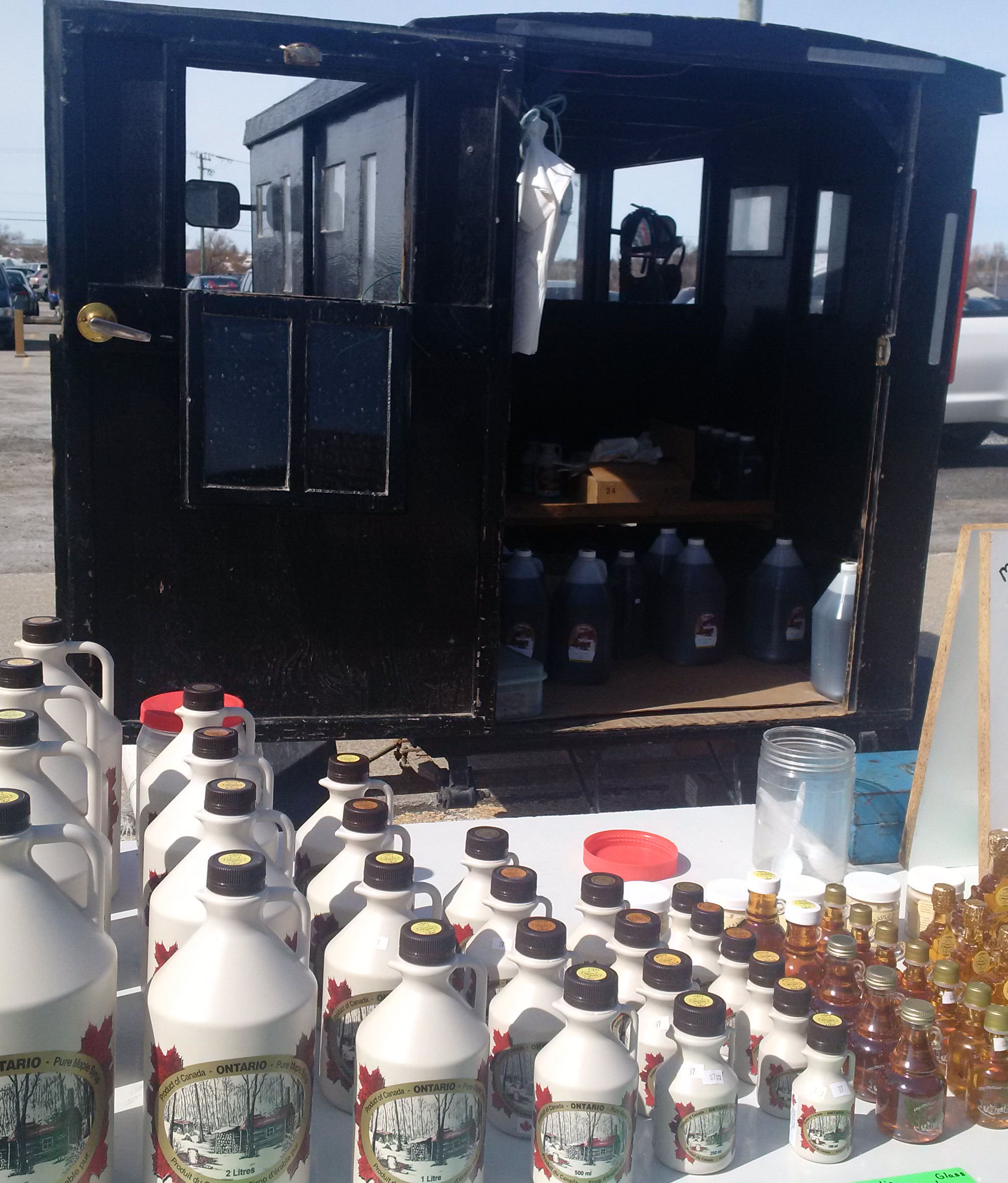
A horse drawn wagon filled with delicious maple syrup for sale
Local farmers were out selling fresh maple syrup at St. Jacobs Farmers’ Market. The place was packed with people, mostly families out enjoying a sunny March Break day. Located 1.5 hours west of Toronto, this is the largest year-round farmers’ market in Canada.
Along with some wonderful ready-to-eat foods like perogies, souvlaki, and apple fritters, you can find everything from handmade quilts to used vinyl records. I spent quite a bit of time perusing used books, finally getting the following copies to take home:
The Five People You Meet In Heaven by Mitch Albom. I read the book years ago and loved it. It’s a fast read so I can re-read it again fairly quickly. For a novel summary, click here:
Eat, Pray, Love by Elizabeth Gilbert. It’s been on my list to read since 2010! For a summary, click here.
She’s Come Undone by Wally Lamb. The cover image has always intrigued me. I’d like to finally get around to reading it. For a summary, click here.
Hope In The Desperate Hour by David Adams Richards. Another book I’ve wanted to read for a while now. For a summary, click here.
Happy St. Patrick’s Day
Posted on March 17, 2015
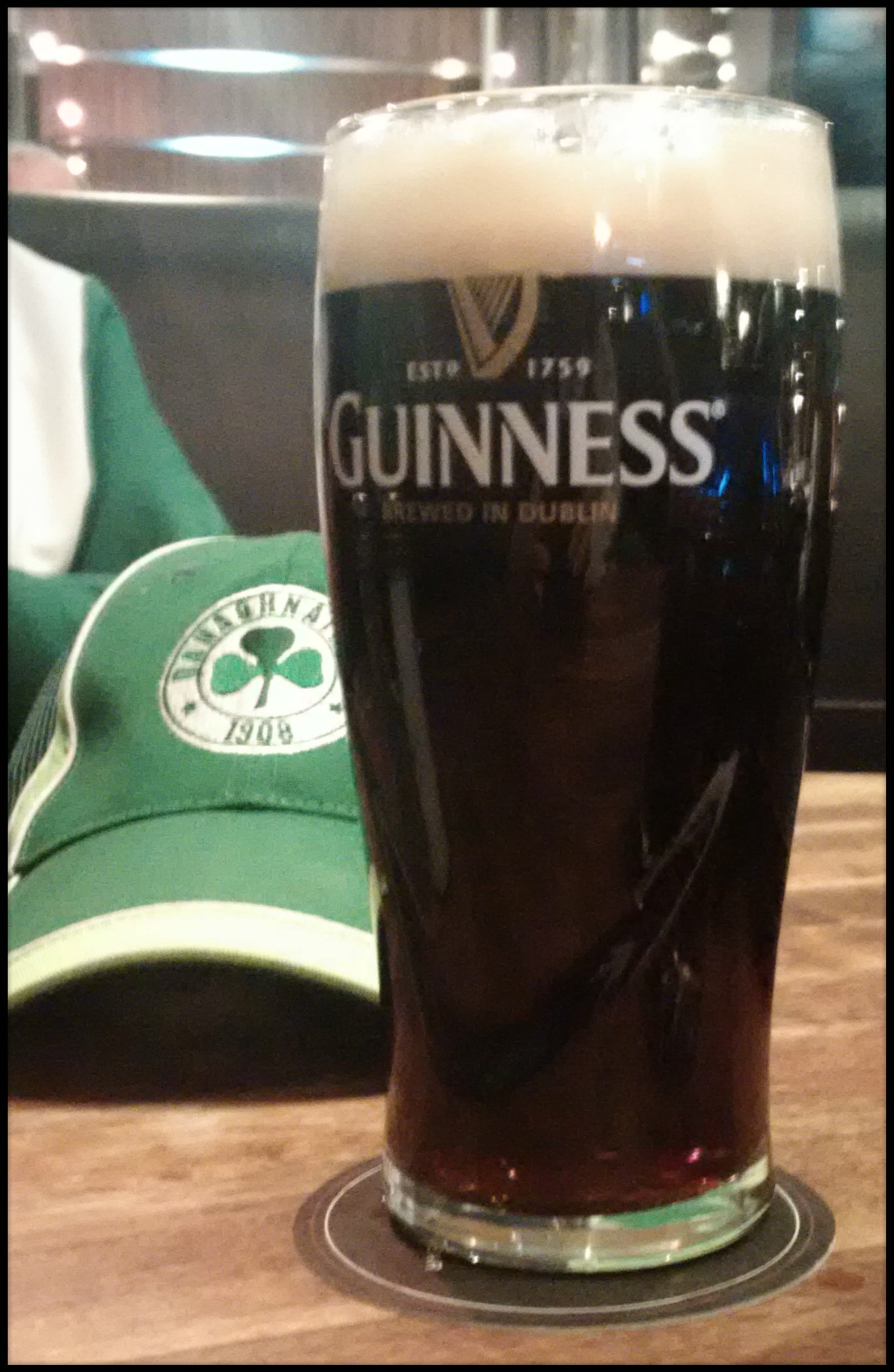
Cheers!
I spent the day researching how to write historical fiction. But before that, we went to a local pub to celebrate. My husband’s family is originally from County Tyrone in Northern Ireland.
Some interesting reads about today:
St Patrick’s Day: Who was Saint Patrick and how did Ireland’s patron saint go global?
 ann y.k. choi